How to Read a Coin Step by Step
Estimated reading time: 18 minutes.
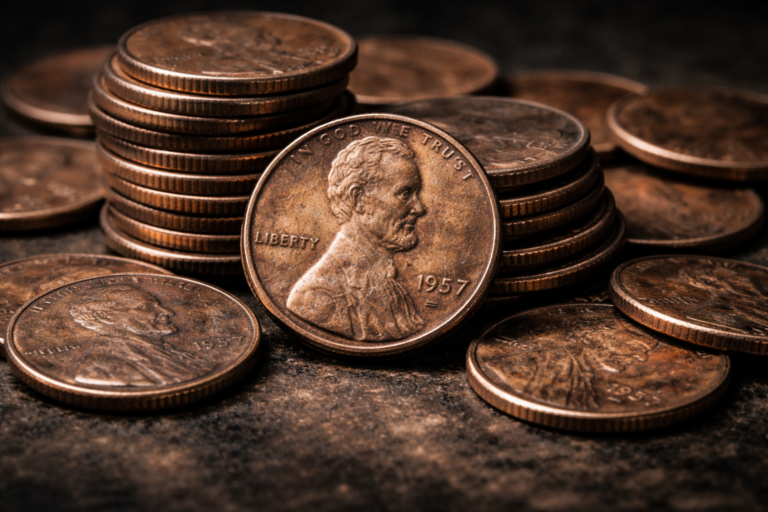
Most people look at a coin and immediately focus on the date or the image, yet this quick glance rarely reveals anything meaningful, because a coin is not something to be seen in a moment, but something to be understood through careful observation.
Reading a coin is not about memorizing information or searching for something rare, but about learning how to observe details, interpret changes, and understand how time, use, and material all shape what you are looking at.
Once you develop this way of seeing, even the simplest coin becomes a source of information rather than just an object.
What this article explains
This article explains how to read a coin step by step, focusing on observation, interpretation, and comparison to understand its design and condition.
- Step one understanding the surface
- Step two reading the design
- Step three focusing on lettering
- Step four examining the edge
- Step five comparing coins
- Step six understanding wear
- Table of reading steps
- Reality Check
- Final Verdict
- FAQ
Step one understanding the surface
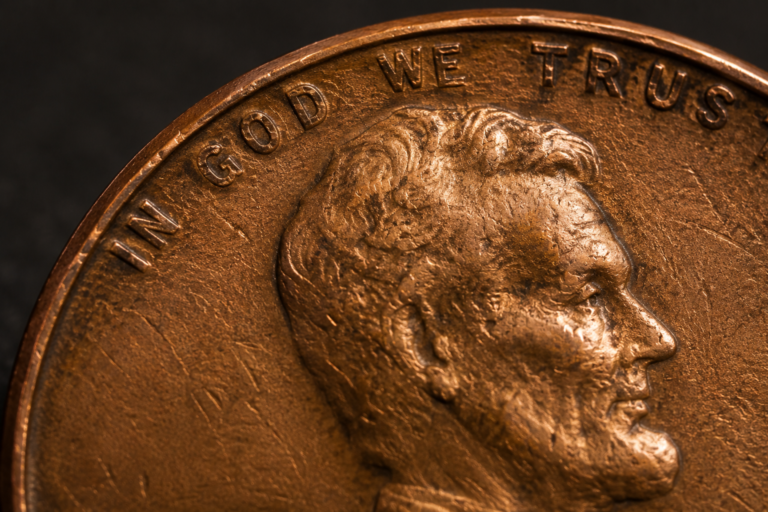
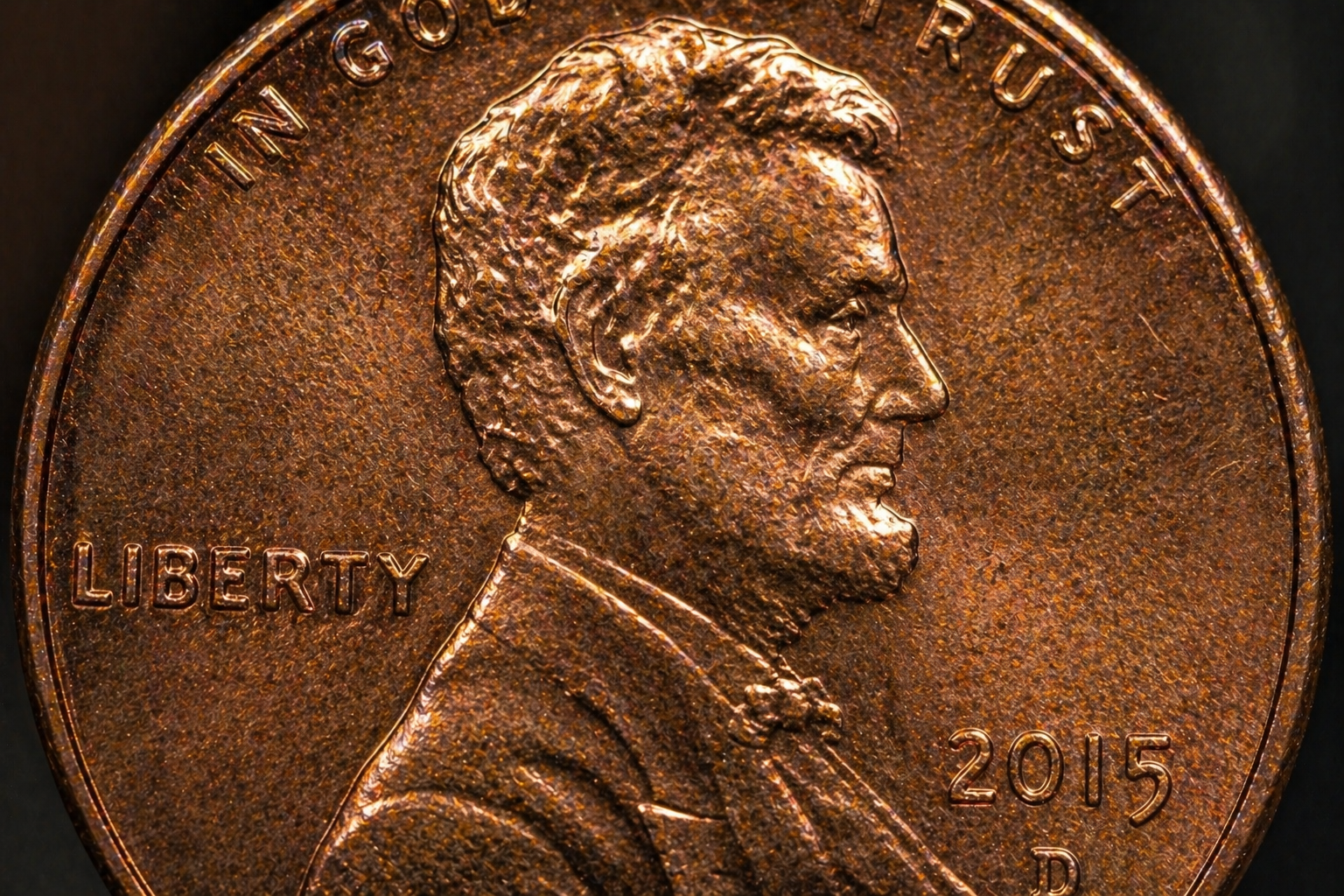
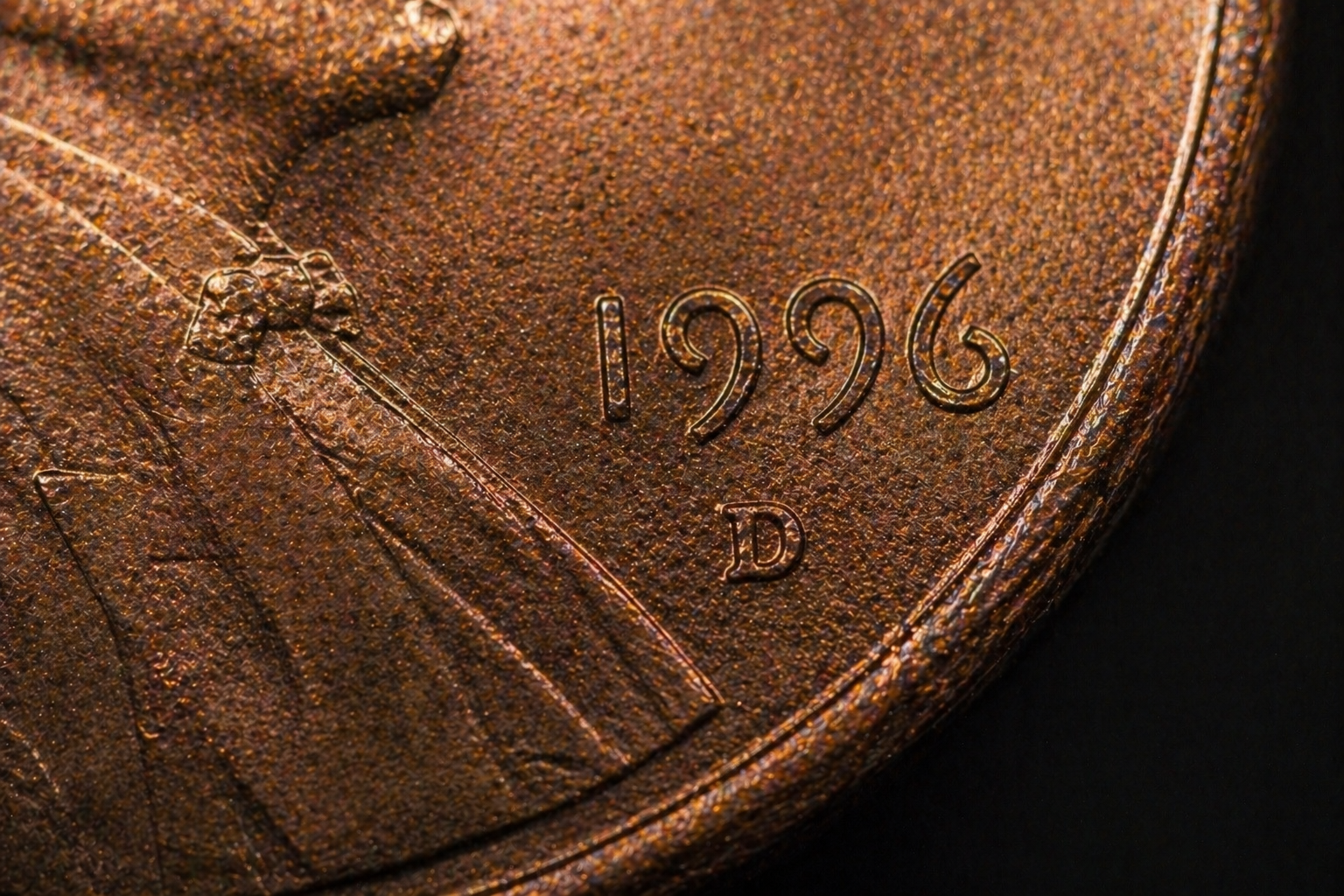
The first step in reading a coin is to observe its surface carefully, because this is where the effects of time, handling, and environment become visible, often changing how the coin looks without altering its original design.
A smooth or uneven surface does not necessarily indicate a flaw, but often reflects how the coin has been used, which is why understanding wear is essential before making any judgment.
This idea is closely related to the misunderstanding explained in the one mistake people make when looking at pennies .
Step two reading the design
After examining the surface, the next step is to look at the design itself, including the portrait, symbols, and overall structure, which together represent the original intention behind the coin.
Even when a coin is worn, traces of the original design remain, allowing you to understand how it was meant to appear when first produced.
Step three focusing on lettering
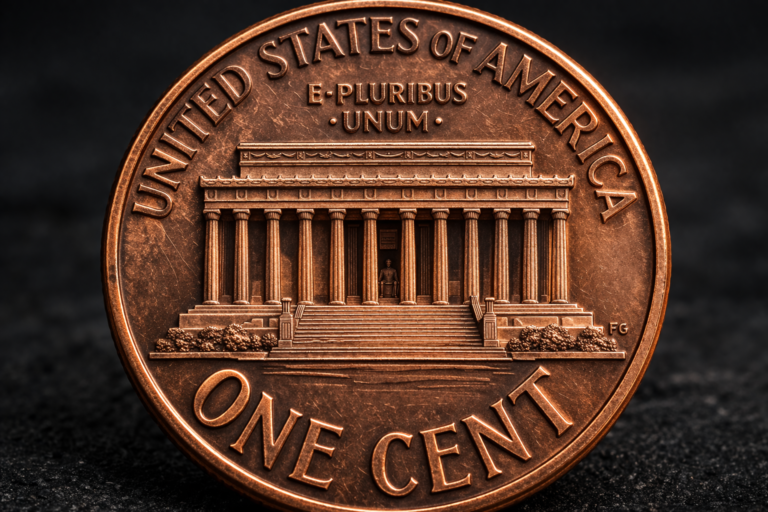
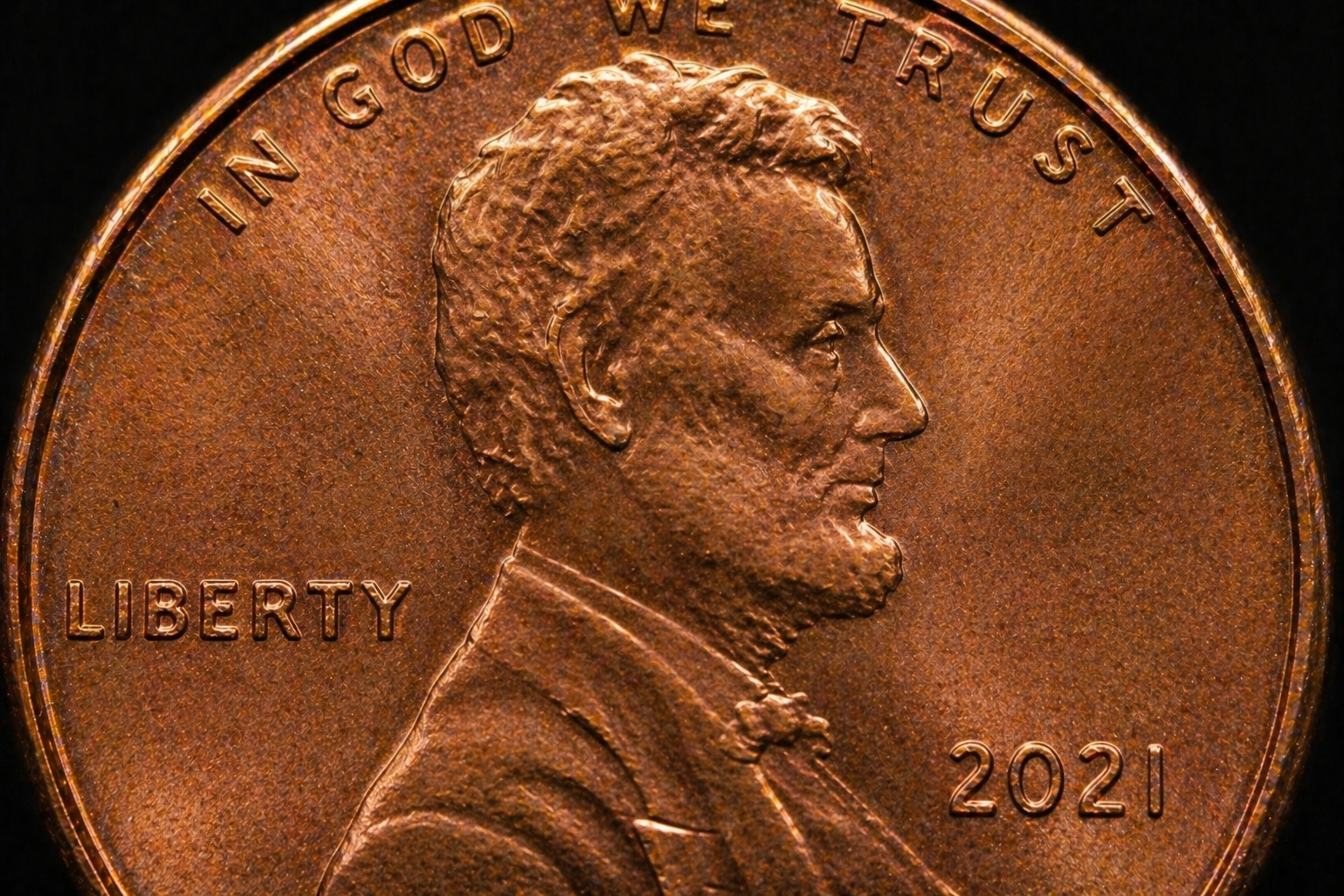
Lettering is one of the most important elements of a coin, because it carries information about identity, origin, and meaning, even though it is often overlooked during casual observation.
Spacing, alignment, and clarity all reveal how the coin was made and how it has changed over time.
This connects with the deeper explanation in why most people misunderstand coin details completely .
Step four examining the edge
The edge of a coin is often ignored, yet it provides valuable information about its structure and material, especially when comparing older coins with newer ones.
Differences in thickness, smoothness, and overall appearance can reveal how the coin was produced.
Step five comparing coins
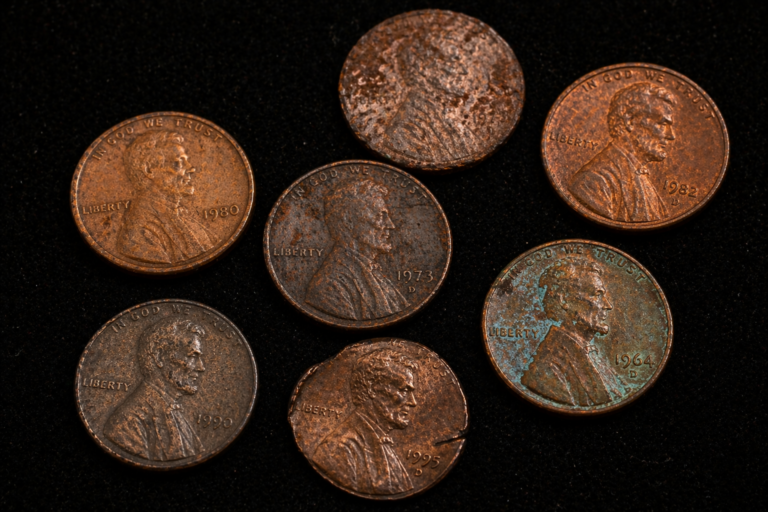
Reading a single coin can only reveal so much, which is why comparison is an essential step, allowing differences to become clearer when multiple coins are viewed together.
This process helps separate design from wear and highlights variations that might otherwise go unnoticed.
It is also closely related to the ideas explored in tiny details on the Lincoln penny .
Step six understanding wear
Wear is not random, but follows predictable patterns, gradually reducing the highest points of the design while leaving deeper areas more intact, which changes how the coin appears over time.
Recognizing this pattern allows you to interpret what you see correctly, rather than mistaking wear for something unusual.
This also connects with why some pennies look strange but are completely normal .
Table of reading steps
| Step | What to Look At | Why It Matters |
|---|---|---|
| Surface | Texture and wear | Shows usage |
| Design | Main features | Original structure |
| Letters | Text clarity | Precision |
| Edge | Structure | Material |
| Comparison | Multiple coins | Better understanding |
Reality Check
Reading a coin is not about finding something rare, but about understanding what is already visible.
“To read a coin, you must first learn how to see it properly.”
Final Verdict
Reading a coin is a skill that develops through observation and practice, transforming a simple object into a source of information and insight.
By following a structured approach, anyone can begin to understand coins in a deeper and more meaningful way.
FAQ
What does it mean to read a coin
It means understanding its design, wear, and details through observation.
Do you need tools to read a coin
No, careful observation is often enough.
Why is comparison important
Because differences become clearer when coins are viewed together.