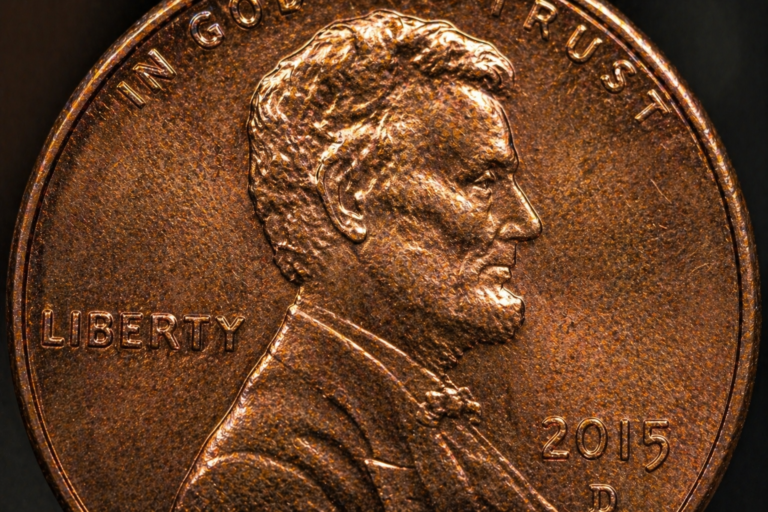
Why the U.S. Penny Is Slowly Disappearing

Estimated reading time: 18 minutes.
If you ask most people about the U.S. penny, they will tell you it still exists, and technically that is true, but if you look closer at how money is actually used today, you begin to notice that the penny is quietly losing its place in everyday life.
This change did not happen because of a single decision or a sudden reform, but rather through a slow and almost invisible process where economic pressure, human behavior, and technological progress all pushed the coin toward the edge of relevance.
The story of the penny is not just about one coin, but about how money evolves when the world around it changes.
What this article explains
This pillar article explores why the U.S. penny is slowly disappearing, covering its historical role, economic decline, behavioral changes, technological impact, and what its future might look like.
- The historical role of the penny
- How inflation reshaped its value
- The collapse of practical purchasing power
- Why producing pennies became inefficient
- Changing behavior and everyday usage
- The shift toward digital money
- Global comparisons and real examples
- The psychology behind small coins
- What the future of the penny may look like
- Table of key factors
- Reality Check
- Final Verdict
- FAQ
The historical role of the penny
When the penny was first introduced, it played a meaningful and practical role in the daily economy, especially at a time when prices were much lower and even the smallest unit of currency could contribute directly to real purchases.
It allowed people to pay exact amounts, which made markets more flexible and efficient, and it helped shape a system where even minor transactions had structure and clarity.
In that context, the penny was not a leftover coin, but an essential part of everyday life.
How inflation reshaped its value
Over time, however, inflation gradually reduced the purchasing power of money, and this process affected small denominations first, because their value depends heavily on price stability.
As prices increased across decades, the value of one cent became less significant, until it reached a point where it could no longer meaningfully contribute to any transaction on its own.
This shift was slow, but its impact was deep.
The collapse of practical purchasing power
Today, the penny has almost no practical purchasing power, which means it cannot be used independently to buy goods or services, and that changes how people perceive its usefulness.
Money works because it connects directly to real value, and once that connection weakens, the role of the coin becomes more symbolic than functional.
Why producing pennies became inefficient
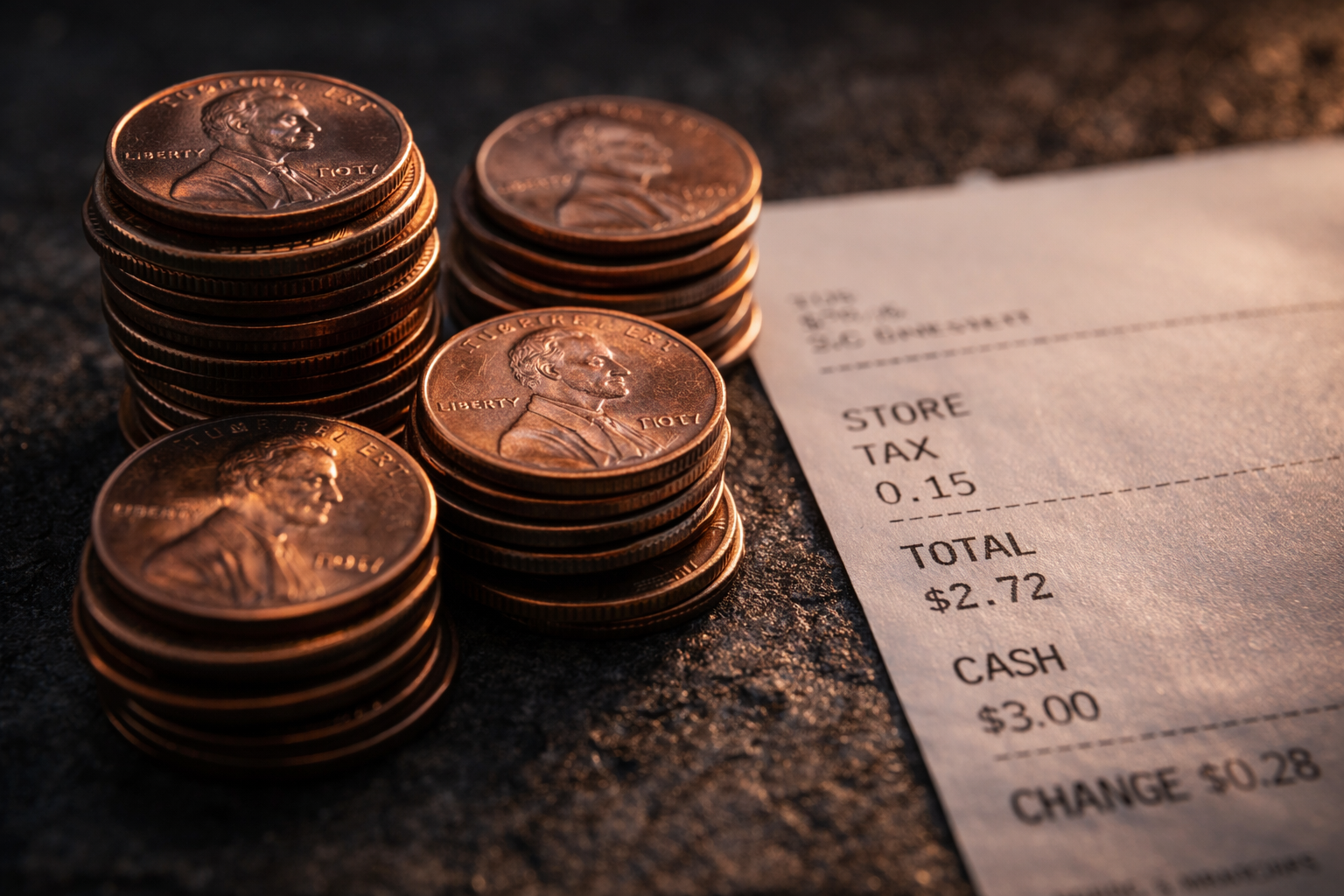
Another major issue is that producing the penny now costs more than its face value, which creates a clear economic contradiction where the system loses money with every coin produced.
This has led to ongoing debates about whether it still makes sense to continue producing a coin that no longer serves a strong practical purpose.
You can explore this debate further in why pennies are being discontinued .
Changing behavior and everyday usage
Beyond economics, the behavior of people has changed significantly, and this shift is one of the strongest forces behind the decline of the penny.
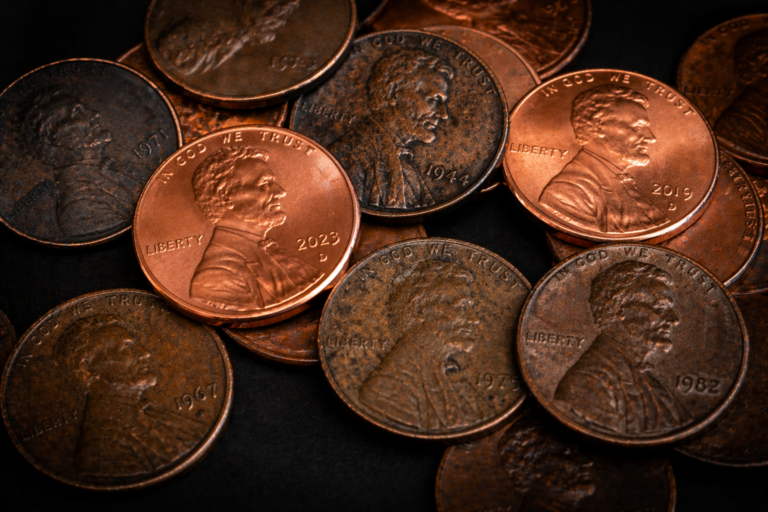
Many individuals no longer carry small coins, and even when they receive them, they often choose not to use them, which reduces circulation over time.
Money depends on movement, and when a coin stops moving, it gradually disappears from everyday life.
The shift toward digital money
The rise of digital payments has accelerated this process, as transactions no longer require physical currency, especially for small amounts.
Cards and mobile payments allow users to complete transactions instantly without needing exact change, which removes one of the key reasons for the penny’s existence.

Global comparisons and real examples
Several countries have already removed their lowest-value coins, and their experiences provide useful insights into what might happen in the United States.
Canada, for example, eliminated its one-cent coin and adjusted pricing through rounding, and the system continued to function without major issues.
This suggests that removing small coins is not disruptive, but rather an adaptation to modern economic realities.
The psychology behind small coins
Money is not only about numbers and value, but also about perception, because people must believe that a coin is useful in order for it to function effectively.
When that belief fades, usage declines, and once usage declines, the coin loses its place in the system.
The penny is now in that phase, where perception and behavior are reshaping its role.
What the future of the penny may look like
The future of the penny is uncertain, as discussions continue about whether it should remain or be removed, but what is clear is that its role is already shrinking in practice.
Even if it remains officially in circulation, its presence in everyday life is likely to continue declining.
You can also explore the opposite perspective in why the U.S. still uses pennies .
Table of key factors
| Factor | Description | Impact |
|---|---|---|
| Inflation | Reduced purchasing power | High |
| Production cost | Higher than value | High |
| Behavior | Less usage | High |
| Technology | Digital payments | High |
| Global trends | Coin removal elsewhere | Medium |
Reality Check
The penny is still part of the U.S. system, but its role is shrinking in practice, and its disappearance is happening gradually rather than through a single decision.
“The penny is not disappearing because it was removed, but because the world slowly stopped needing it.”
Final Verdict
The decline of the U.S. penny is not a failure, but a reflection of change, where economic conditions, technology, and human behavior have all moved forward while the coin remained the same.
Its story shows that money is not fixed, but constantly evolving, and even the smallest coin can lose its place when the system around it transforms.
FAQ
Is the penny disappearing
It is still in circulation, but its usage is steadily declining.
Why is the penny losing relevance
Because inflation reduced its value and modern payments reduced its necessity.
Will the penny be removed
It is possible in the future, but no official decision has been made.