The Secret Differences Between Old and New Pennies
Estimated reading time: 17 minutes.
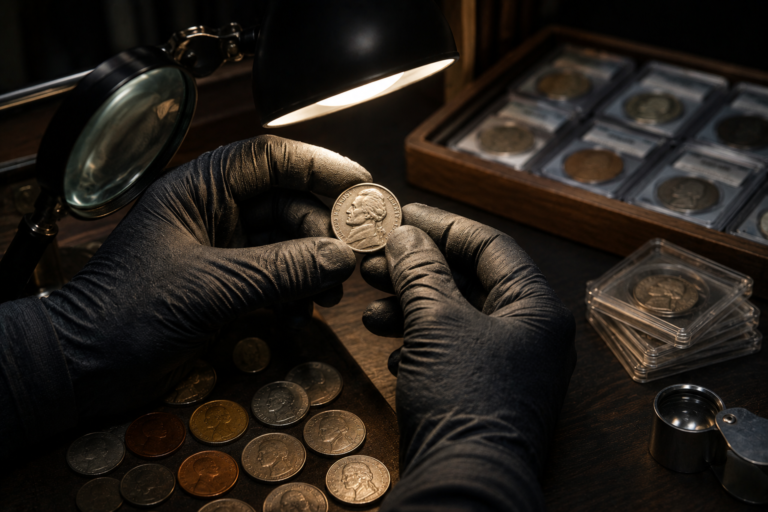
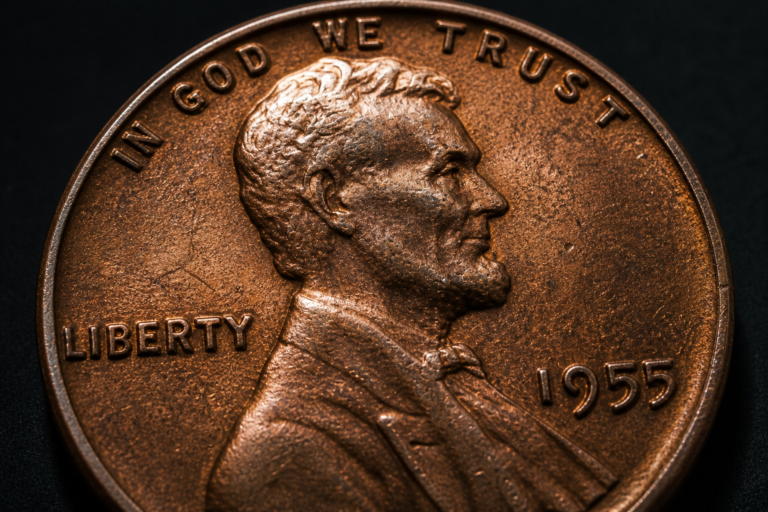
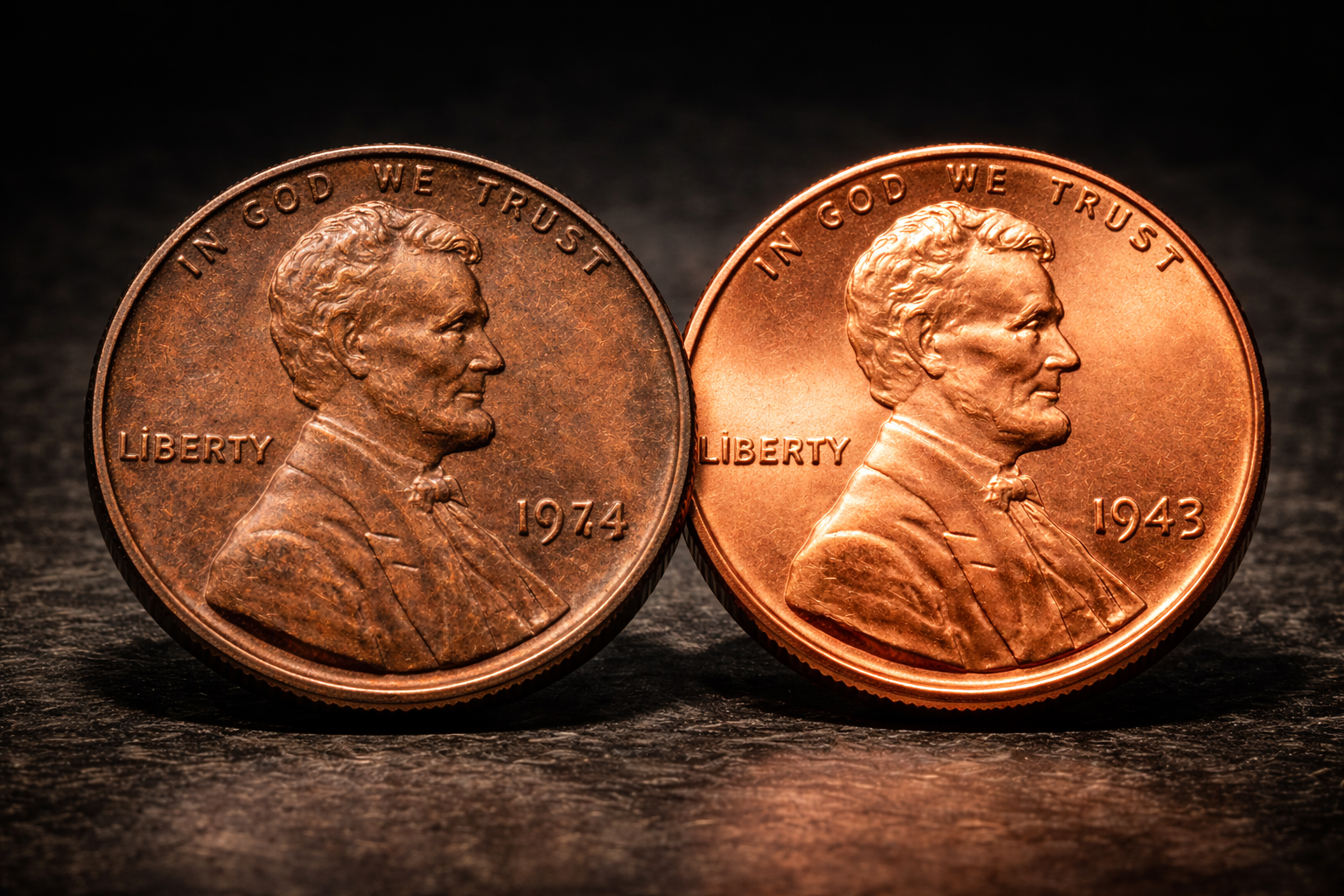
At first glance, an old penny and a newer one seem almost identical, sharing the same portrait and general design, yet the truth is that they are fundamentally different in ways that most people never take the time to notice.
These differences are not just visual, but physical, structural, and even historical, reflecting how the coin has changed over time in response to economic pressure and production needs.
Once you begin to compare them closely, what once looked like the same coin becomes two completely different objects.
What this article explains
This article explores the hidden differences between old and new U.S. pennies, focusing on material, weight, appearance, and how these changes reflect a deeper shift in the coin’s role.
- The moment everything changed
- The material difference you cannot see
- Weight and how it feels
- The visual difference in color
- The hidden story in the edge
- Why these changes happened
- Table of old vs new differences
- Reality Check
- Final Verdict
- FAQ
The moment everything changed
For many years, pennies were made primarily from copper, giving them a solid structure and a distinct feel, but at a certain point, rising metal costs forced a major change in how the coin was produced.
This shift happened in the early nineteen eighties, when the composition moved from mostly copper to a zinc core coated with a thin layer of copper. :contentReference[oaicite:0]{index=0}
Although the design remained the same, the coin itself became something fundamentally different.
The material difference you cannot see
The most important difference between old and new pennies is hidden beneath the surface, because older coins are mostly copper, while newer ones are primarily zinc with only a thin copper coating. :contentReference[oaicite:1]{index=1}
This change is not visible at first glance, but it affects how the coin behaves, how it wears over time, and even how it sounds when handled.
Weight and how it feels
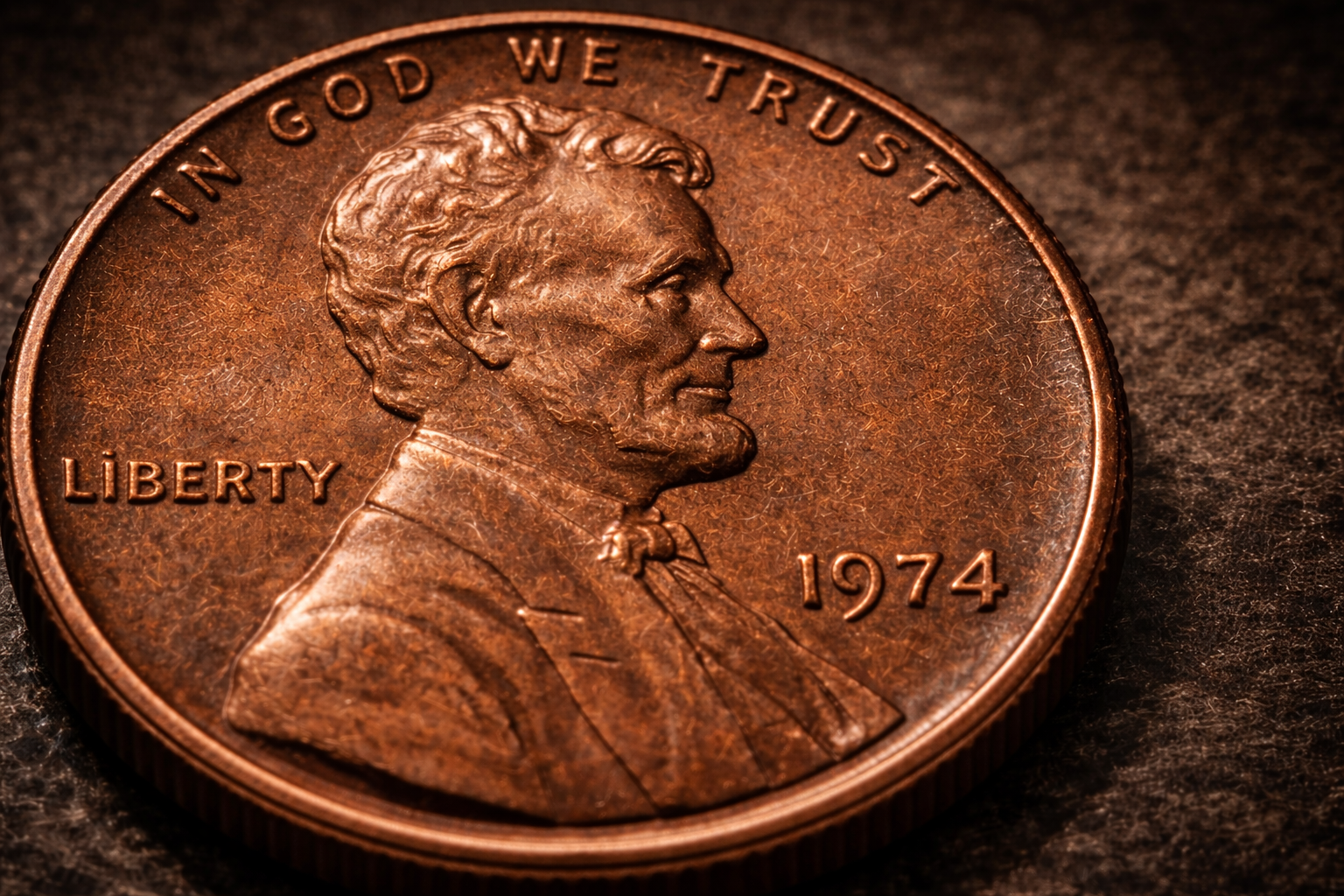
One of the easiest ways to notice the difference is through weight, because older copper pennies are heavier than newer zinc-based ones, even though they look almost identical.
This subtle difference changes how the coin feels in your hand, especially when multiple coins are held together.
It is a small detail, but once you notice it, it becomes obvious.
The visual difference in color
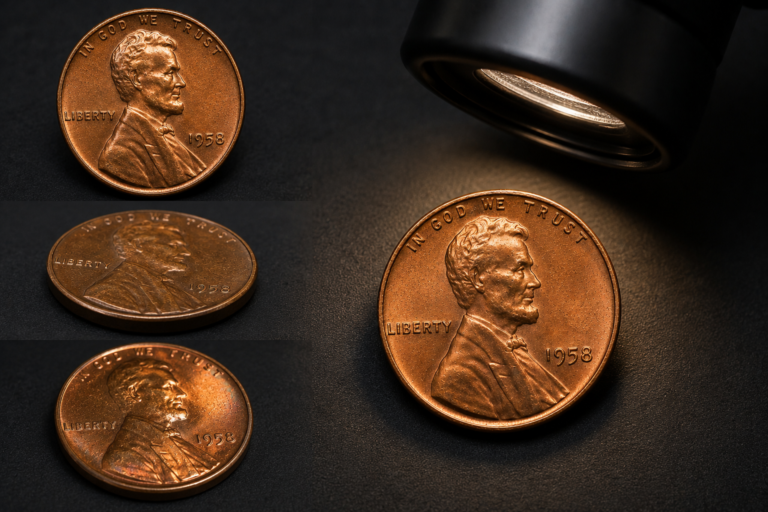
Color is another clue, as older pennies often develop a darker and richer tone over time, while newer pennies tend to appear brighter or slightly lighter due to their different composition.
This difference becomes clearer when coins are placed side by side, especially if they have experienced similar levels of wear.
The hidden story in the edge
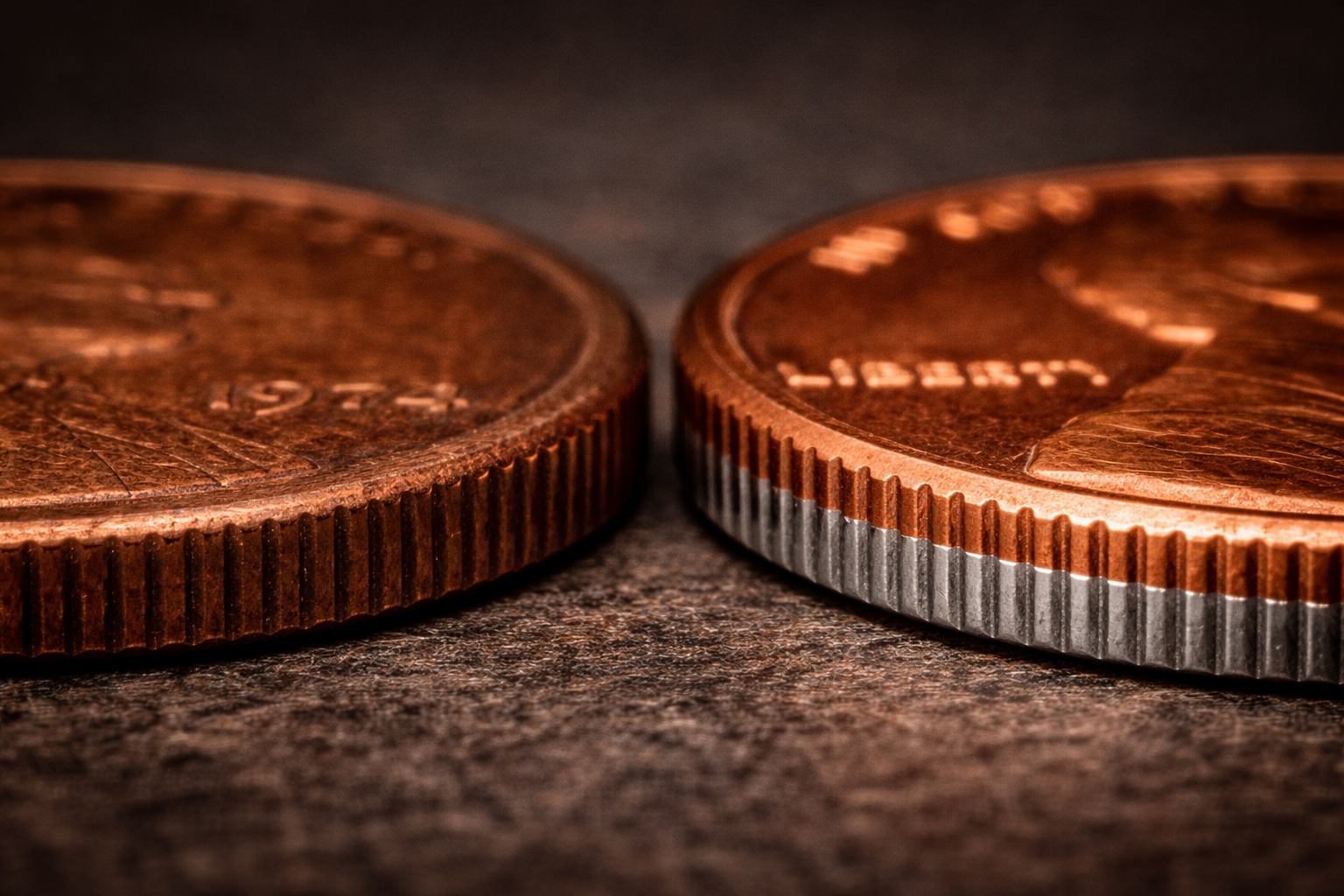
If you examine the edge of a penny closely, you may notice a difference between a solid metal edge and a layered structure, which reflects the shift from copper to zinc-based construction.
This detail is rarely checked in everyday use, but it provides one of the clearest signs of how the coin has changed.
Why these changes happened
The decision to change the composition of the penny was not based on design, but on economics, as the cost of copper began to rise to the point where it exceeded the coin’s face value. :contentReference[oaicite:2]{index=2}
This created a situation where continuing to produce copper coins was no longer practical, leading to the introduction of a cheaper alternative.
This shift also connects to the broader discussion in why pennies are being discontinued , where cost plays a central role.
You can also explore how people interact with these coins in hidden details on the Lincoln penny .
Table of old vs new differences
| Feature | Old Pennies | New Pennies |
|---|---|---|
| Material | Mostly copper | Zinc core with copper layer |
| Weight | Heavier | Lighter |
| Color | Darker tone | Lighter tone |
| Edge | Solid metal | Layered structure |
| Durability | Wears gradually | Different wear pattern |
Reality Check
Most people cannot distinguish between old and new pennies at a glance, even though the differences are real and measurable.
“Two coins can look the same, yet be completely different beneath the surface.”
Final Verdict
The difference between old and new pennies is not just a small technical change, but a reflection of how economic pressure can reshape even the most familiar objects without changing how they appear at first glance.
By understanding these hidden differences, we begin to see that coins are not static, but evolving objects shaped by both design and necessity.
FAQ
What is the main difference between old and new pennies
The main difference is the material, with older coins being mostly copper and newer ones made from zinc with a copper coating.
Can you tell the difference easily
Not always by sight, but weight and edge details can reveal it.
Why did the penny change
Because the cost of copper became too high compared to the coin’s value.