What the Small Letters on U.S. Coins Really Mean
Estimated reading time: 16 minutes.
If you look at a coin quickly, the small letters seem like background details, something that fills space without drawing attention, yet those letters are often the most important part of the design.
They are not random, and they are not decorative, because every word, every letter, and even its position carries meaning that connects the coin to history, identity, and the system that created it.
Once you begin to read these letters instead of just seeing them, the coin becomes something completely different.
What this article explains
This article explains what the small letters on U.S. coins really mean, focusing on inscriptions, mint marks, and how tiny details reveal deeper information about each coin.
- Why coins include small letters
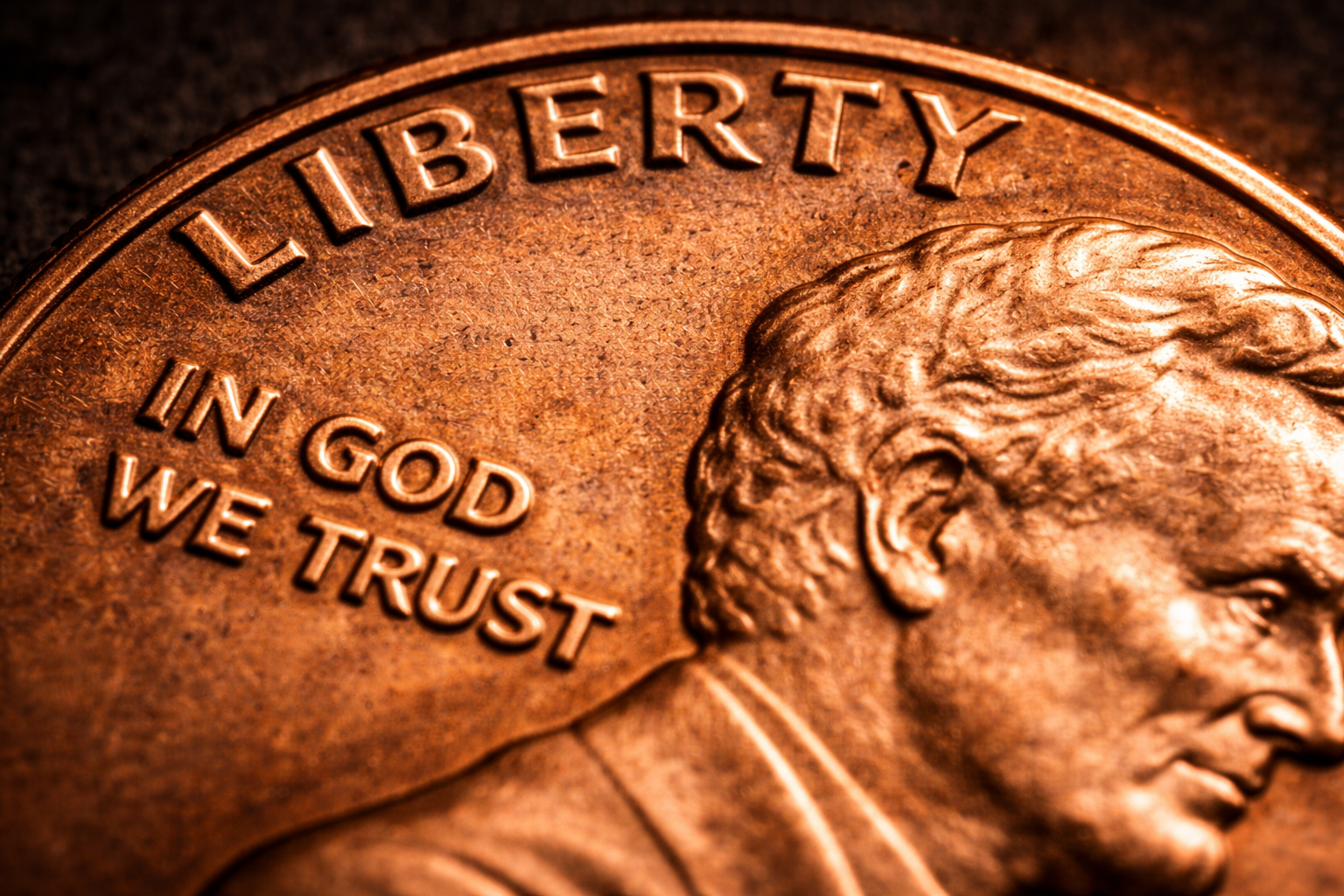
- The meaning behind LIBERTY
- The story of IN GOD WE TRUST
- Mint marks and what they reveal
- Why letter spacing matters
- How lettering changes over time
- Table of coin lettering meanings
- Reality Check
- Final Verdict
- FAQ
Why coins include small letters
Coins are not only tools for exchange, but also official objects that represent a nation, and this is why they include words and inscriptions that define identity, authority, and origin.
These small letters may appear secondary, but they are essential to the design, because they communicate meaning in a way that images alone cannot.
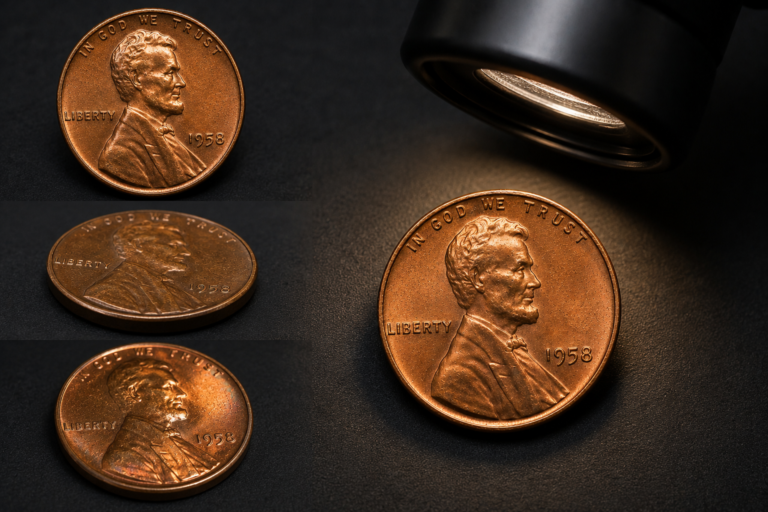
You can explore how these visual details connect with overall design in hidden details on the Lincoln penny .
The meaning behind LIBERTY
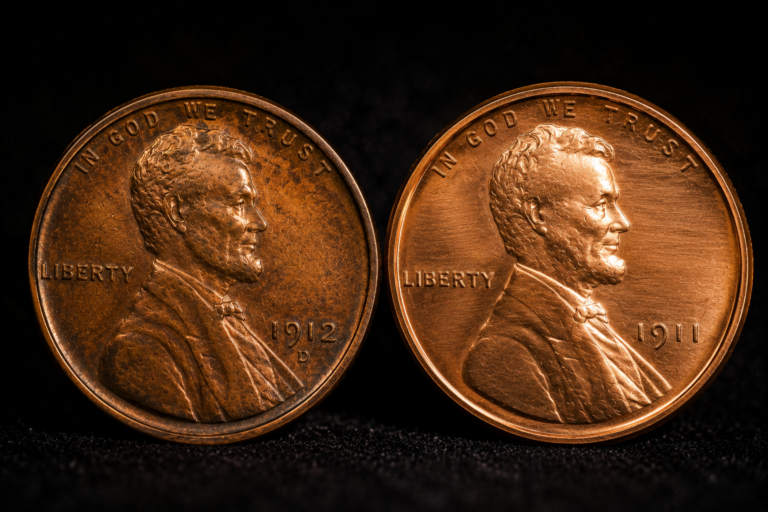
The word LIBERTY appears on many U.S. coins as a representation of national identity, reflecting one of the core ideas on which the country was built.
It is not simply a label, but a statement, placed on the coin to remind users of the values connected to the currency itself.
Even though it is small, its presence is deliberate and consistent.
The story of IN GOD WE TRUST
The phrase IN GOD WE TRUST carries historical significance, as it was introduced during a time of national uncertainty in the nineteenth century and later became widely used on U.S. coins. :contentReference[oaicite:1]{index=1}
Its inclusion reflects both cultural and historical influences, showing how coins can carry messages beyond simple monetary value.
Over time, this phrase became a standard element, reinforcing continuity across different designs.
Mint marks and what they reveal
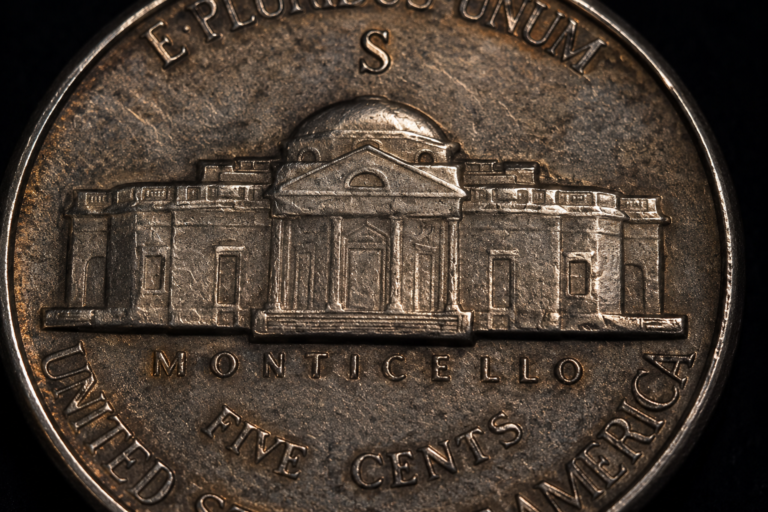
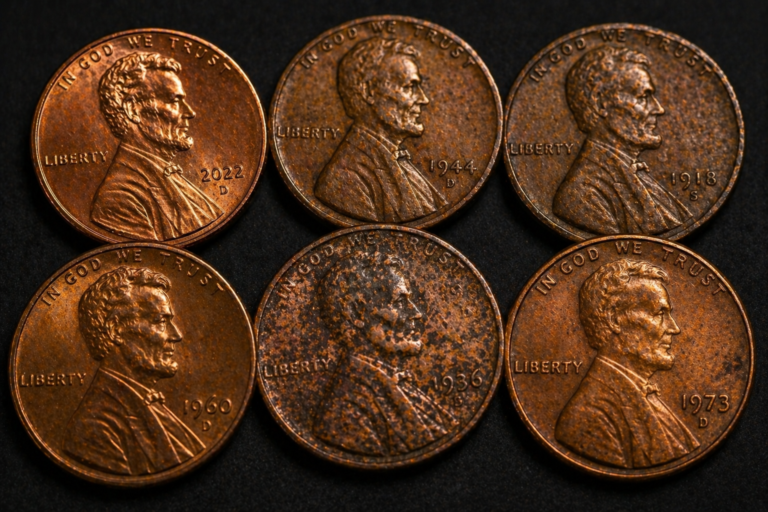
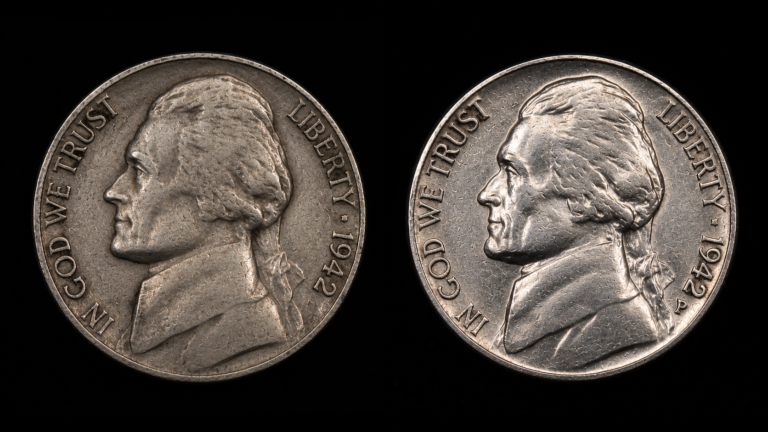
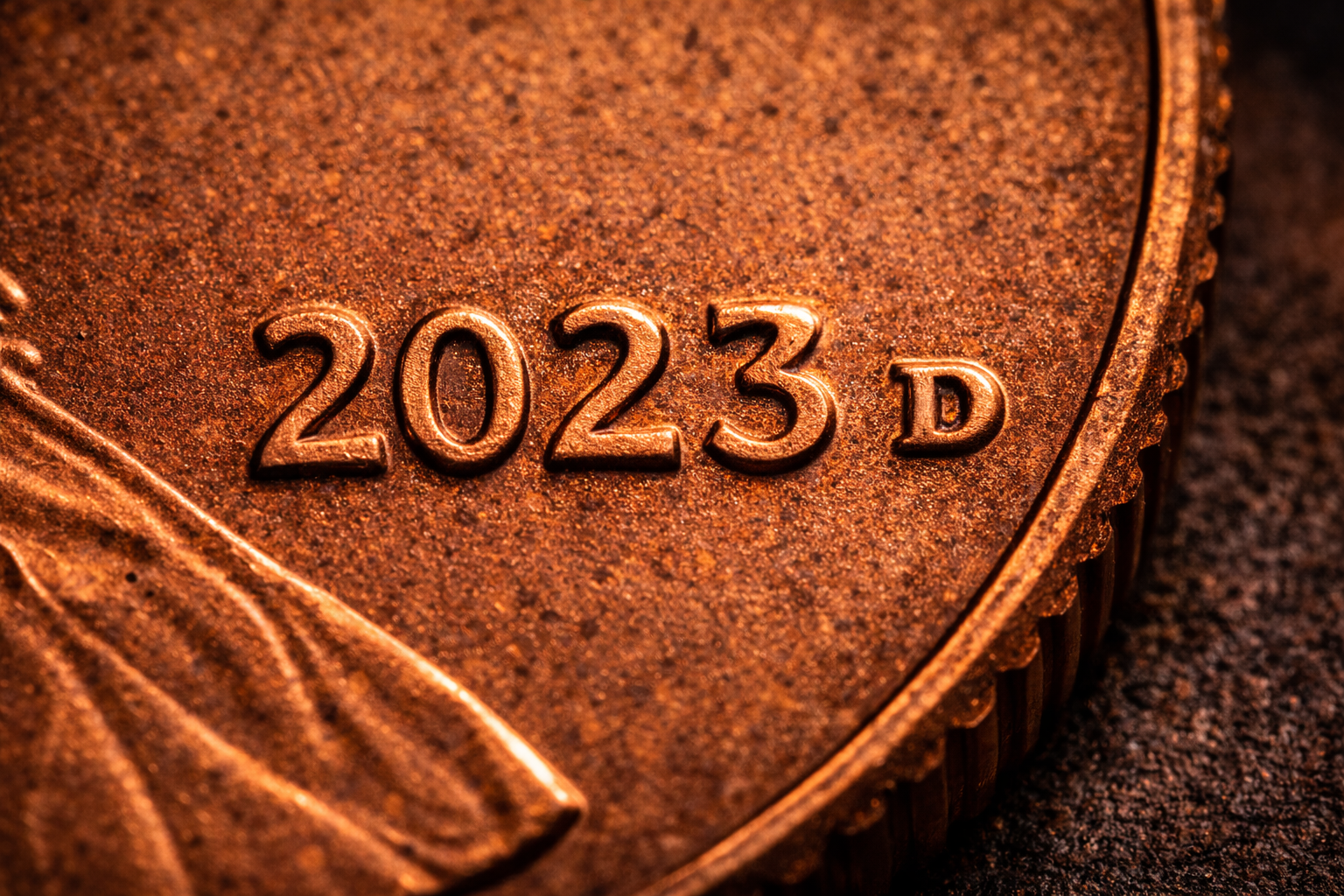
One of the smallest yet most informative details on a coin is the mint mark, which is usually a single letter placed near the date.
This letter indicates where the coin was produced, turning a small symbol into a key piece of information about its origin.
Why letter spacing matters
At first glance, all lettering may look identical, but small differences in spacing, alignment, and thickness can reveal how the coin was produced.
These differences may come from variations in dies, pressure during striking, or gradual wear over time.
They connect closely with the micro-level observations discussed in tiny details on the Lincoln penny .
How lettering changes over time
Even when the official design remains the same, the appearance of lettering can change slightly over time due to production methods and circulation.
This is similar to the broader design changes explored in hidden changes in the Lincoln Memorial design .
These variations are subtle, but they are part of how coins evolve in practice.
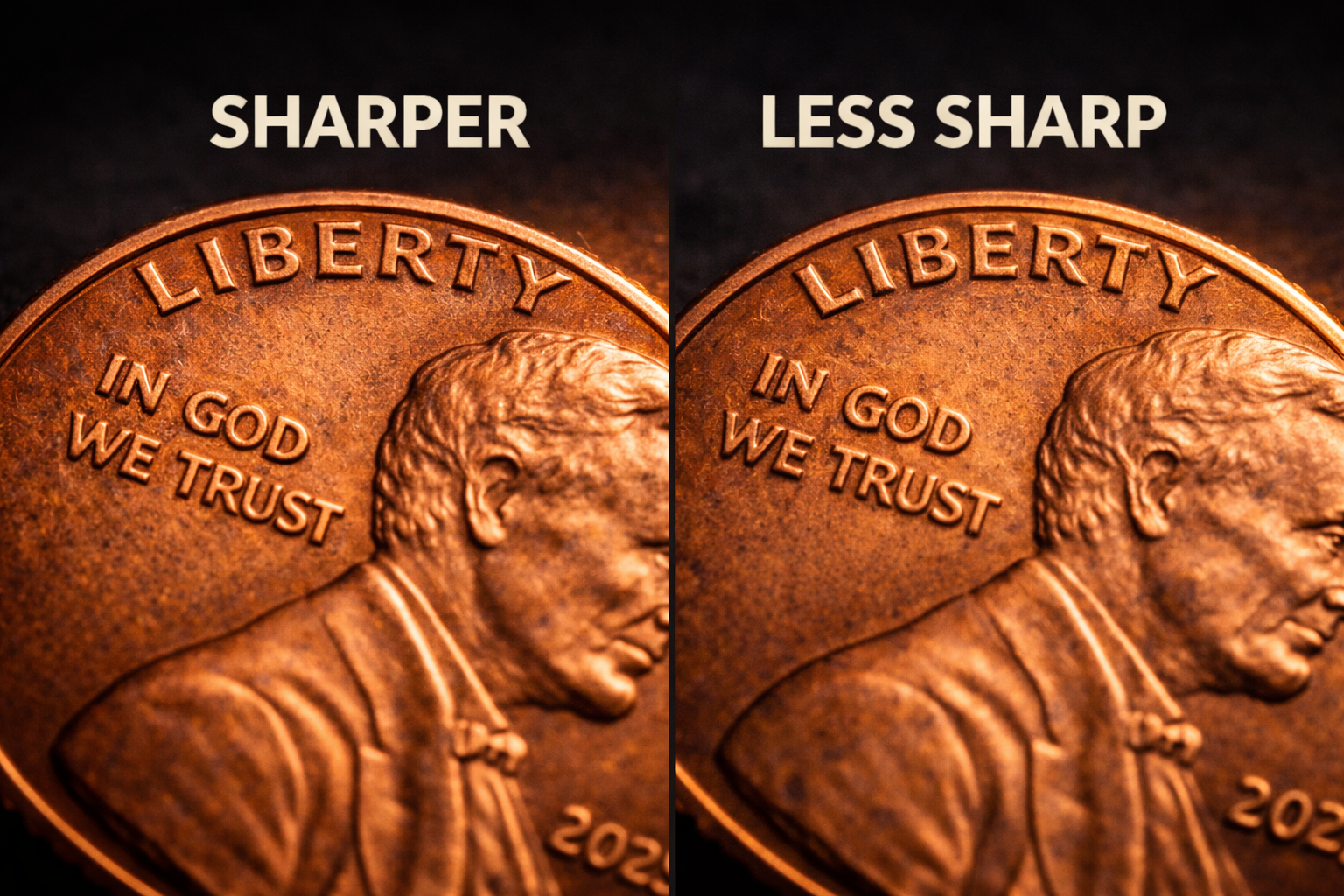
Table of coin lettering meanings
| Letter / Detail | Where It Appears | Meaning |
|---|---|---|
| LIBERTY | Front | National identity |
| IN GOD WE TRUST | Front | Historical motto |
| Mint mark | Near date | Production location |
| Date | Front | Year of issue |
| Letter spacing | Entire coin | Engraving precision |
Reality Check
Most people see these letters every day, but rarely think about what they actually mean.
“The smallest letters on a coin often carry the deepest meaning.”
Final Verdict
The small letters on U.S. coins are not just part of the design, but a language of their own, carrying history, identity, and information in a form that is easy to overlook.
Once you begin to read these details, coins stop being simple objects and become something far more meaningful.
FAQ
What do small letters on coins mean
They represent inscriptions, mint locations, and historical messages.
What is a mint mark
It is a small letter that shows where a coin was produced.
Why are these letters important
Because they provide context and meaning beyond the coin’s value.