Why Cleaned Coins Fool So Many Beginners
Estimated Reading Time: 14 minutes
A cleaned coin can be surprisingly convincing. It may look brighter, smoother, and more attractive than an untouched example sitting beside it. To a beginner, that appearance often feels like proof that the coin has been preserved better. The surface looks fresh. The details seem easier to see. The entire coin may appear newer than its age suggests.
Experienced collectors know that this first impression can be misleading. Cleaning may improve brightness while removing the very surface texture that gives a coin its originality. Fine hairlines can hide until the viewing angle changes. Polishing can produce strong reflections while destroying natural luster. Chemical treatment may remove toning but leave the metal looking flat or unnatural.
This is why cleaned coins fool so many beginners. The eye responds first to brightness and cleanliness, while experts have learned to look past both. They study how light moves, whether the texture remains natural, how protected areas compare with exposed fields, and whether the entire surface tells a consistent story.
What This Article Explains
- Why cleaned coins often look attractive to new collectors.
- What cleaning actually changes on a coin’s surface.
- Why hairlines are one of the most important clues.
- The difference between natural mint luster and artificial brightness.
- Why polished coins can look better in photographs than in hand.
- How experts confirm that a surface has been disturbed.
Table of Contents
Why Cleaned Coins Often Look Better at First
The basic problem is simple: human eyes are attracted to clean, bright surfaces. A darkened coin beside a polished one can make the polished example look instantly superior, even when the darker coin has far better originality.
This visual reaction is understandable. Outside numismatics, cleaning usually improves an object. We clean jewelry, glass, metal, and furniture because removing dirt makes them look better. Coins seem as though they should follow the same rule.
Collectible coins are different because their surfaces contain evidence. The texture created during striking, the natural movement of luster, the gradual development of toning, and the pattern of wear all help explain the coin’s history. Cleaning may remove dirt, but it can also remove or disturb that evidence.
This is why original surfaces matter more than simple shine. Brightness can be created in minutes. Originality can only be preserved.
What Cleaning Really Does to a Coin
Cleaning is not one single process. It can involve rubbing, polishing, brushing, dipping, chemical treatment, abrasive powders, cloths, erasers, or household products. Each method affects the surface differently, but many share one important problem: they alter the metal or the microscopic texture above it.
Abrasive cleaning physically scratches the surface. Even when those scratches are extremely fine, they can become visible under angled light. Polishing goes further by smoothing the metal and creating a bright reflective surface that did not exist when the coin left the mint.
Chemical treatment can remove toning or oxidation without obvious scratches, but overuse may still leave the surface dull, pale, or lifeless. Copper is especially sensitive because its color can change quickly after treatment.
The key point is that cleaning often changes more than appearance. It changes the way the surface interacts with light, and that is what experienced collectors are trained to notice.
Hairlines: The Clue Beginners Usually Miss
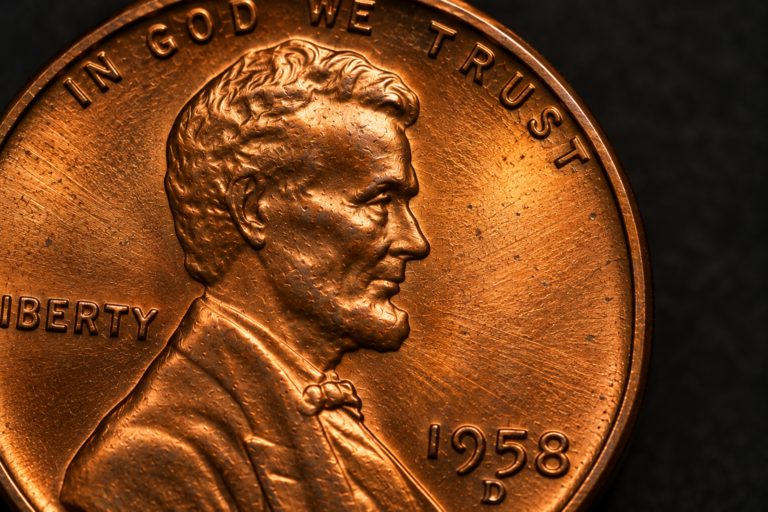
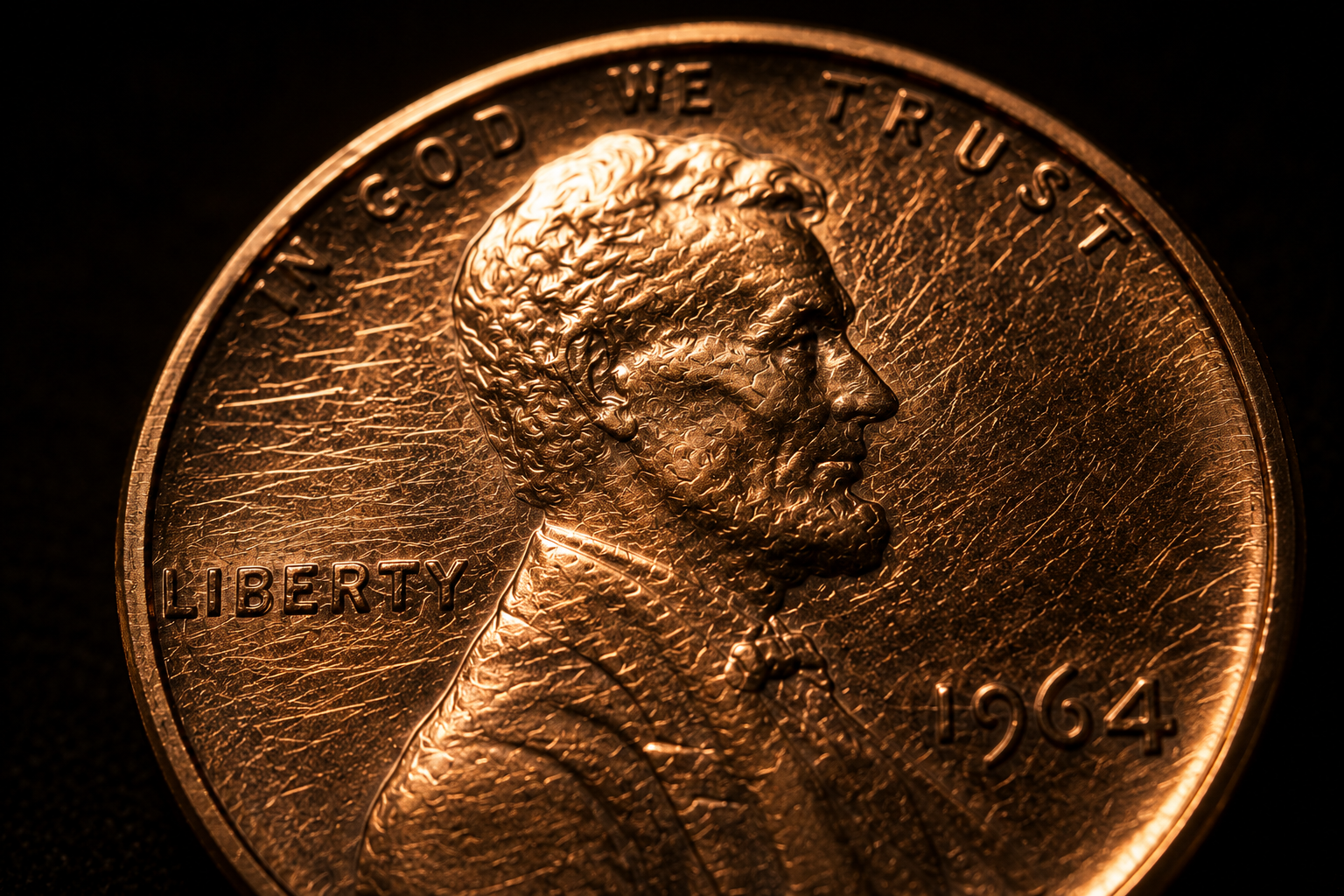
Fine hairlines are among the most common signs of improper cleaning. They are thin scratches left by wiping, rubbing, polishing, or abrasive contact. Unlike a single circulation mark, cleaning hairlines often appear in groups and may run in similar directions across the fields or portrait.
Under ordinary room light, these lines can be almost invisible. Hold the same coin beneath a directional lamp and rotate it slowly, and the surface may suddenly flash with dozens of fine lines.
This is one reason photographs can be deceptive. A still image taken from the wrong angle may hide hairlines completely. In hand, movement exposes them.
Experienced collectors also look at how the lines cross the design. Natural contact marks are usually random. Cleaning lines often follow the direction in which a cloth or tool moved across the coin.
This technique connects directly with using directional light to reveal hidden surface flaws. The coin does not need stronger magnification first. It often needs better light and movement.
Original Luster vs Artificial Brightness
Beginners often use the words luster and shine interchangeably. Experts do not.
Original mint luster comes from microscopic flow lines created as metal moves under pressure during striking. Those structures reflect light in a moving pattern. On many uncirculated coins, that movement creates the familiar cartwheel effect.
A polished coin may be brighter than an original coin while having far less true luster. Polishing can smooth the surface until it reflects strongly, but the reflection may remain broad, flat, or harsh instead of flowing naturally around the design.
This is why rotating a coin exposes surface problems. Movement allows the collector to see whether brightness comes from original mint texture or later alteration.
The distinction is especially important when comparing two coins. One may appear slightly darker yet show active, natural luster. Another may look brilliant but lifeless once rotated. The brighter coin can easily fool someone who judges from a single angle.
Why Directional Light Changes Everything
A cleaned coin often looks strongest when held still. Once it moves, the weaknesses begin to appear.
Directional light reveals changes in texture because each tiny scratch, polished area, or luster break reflects differently. Hairlines flash briefly. Dull areas interrupt the flow of light. Overly polished fields may produce broad reflections that feel disconnected from the rest of the surface.
Experts also compare exposed areas with protected spaces beside letters, dates, and design elements. If the open fields are intensely bright while recessed areas remain darker or more natural, the difference may suggest incomplete cleaning or polishing.
No single clue proves cleaning by itself. The strongest conclusion comes when multiple features agree: directional hairlines, unnatural brightness, broken luster, inconsistent protected areas, and color that does not fit the rest of the coin.
This approach follows the same logic as how experts form a rapid first impression. The first look identifies a concern. Movement and closer study confirm whether that concern is real.
A Lincoln Cent Example
Lincoln cents are especially useful for learning how cleaning appears because copper reacts strongly to both age and surface treatment.
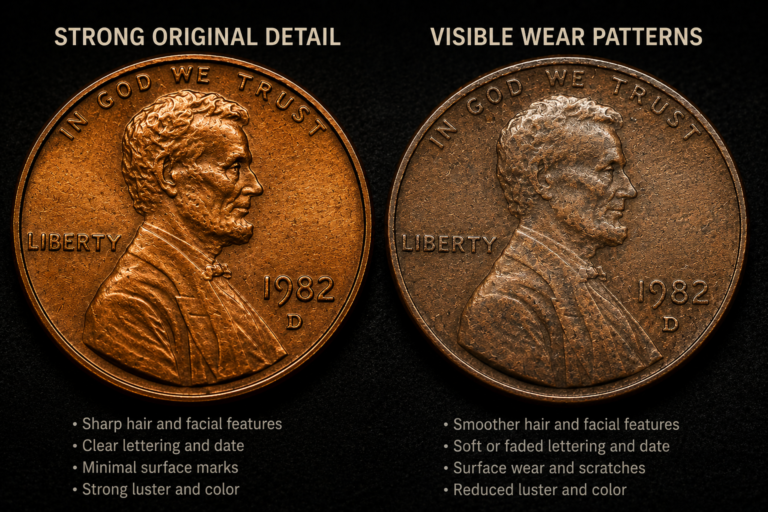
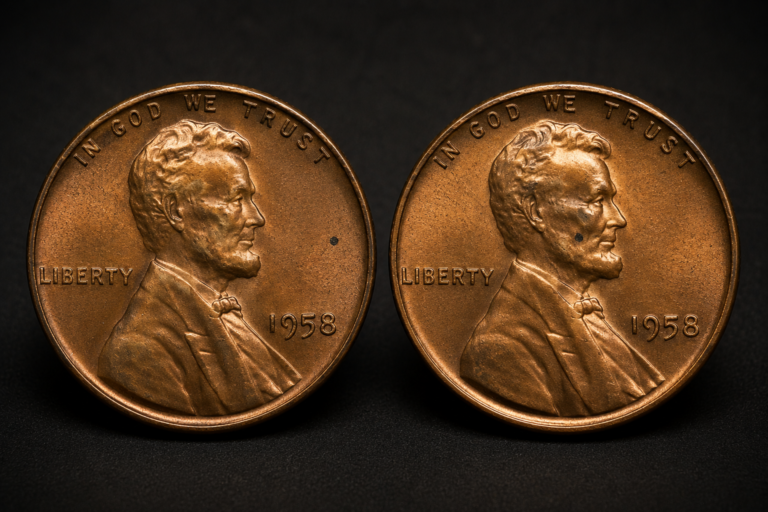
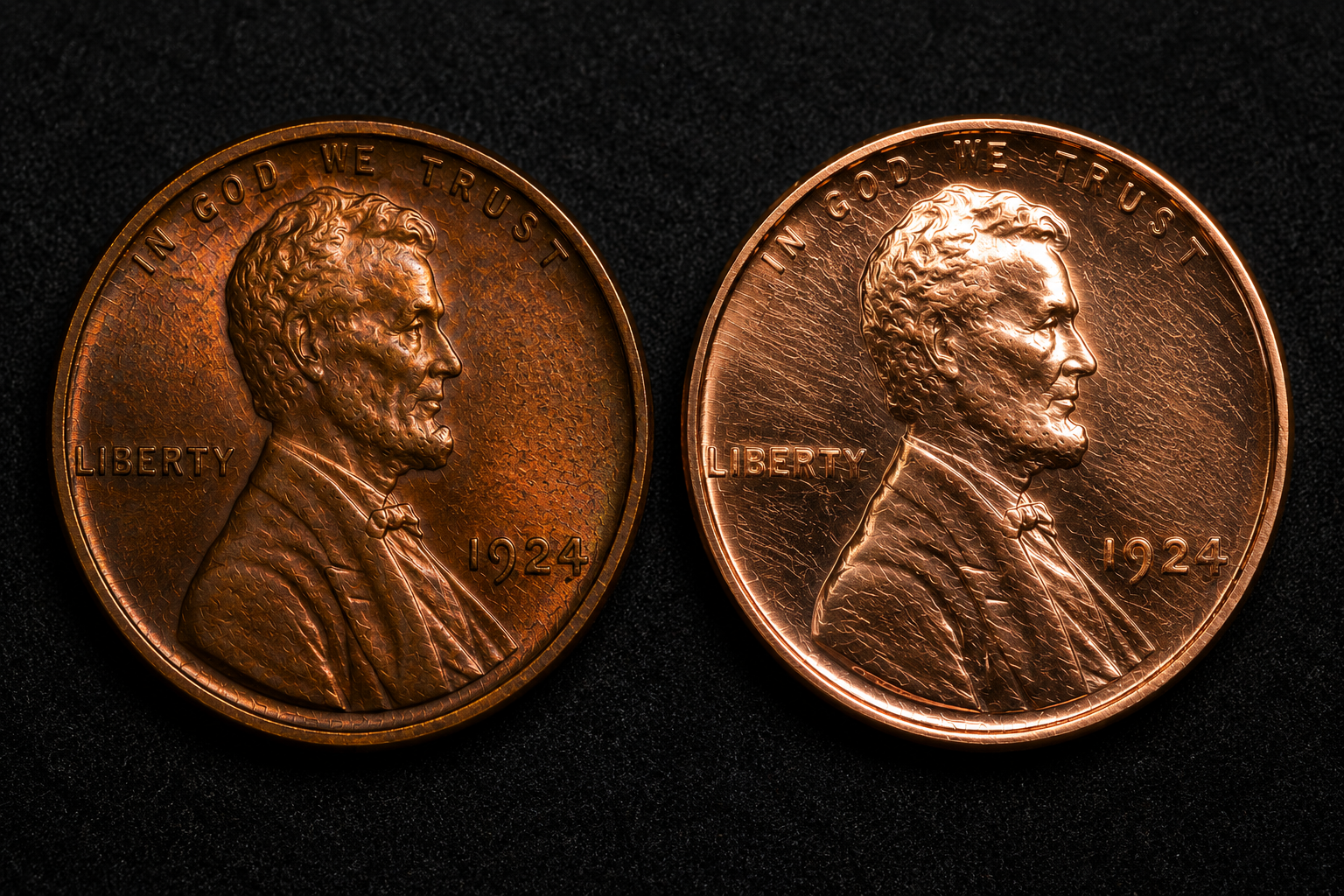
Imagine two Wheat cents from the same year. The first is brown with a few normal contact marks. Its surface is not especially bright, but under a directional lamp, traces of luster move through protected areas around Lincoln’s portrait and the lettering.
The second cent is much brighter. Its color is more orange, and the fields appear smooth. At first, it looks like the better coin.
Rotate it under the same light, however, and fine parallel lines begin flashing across the fields. The brightness remains strong, but the luster does not travel naturally. The open areas appear polished while narrow spaces beside the lettering retain a different tone.
The second coin may look cleaner, but the first preserves more original surface information.
This is exactly why experienced collectors learn to separate visual cleanliness from actual preservation. A coin can lose its originality while gaining brightness, and beginners often notice the brightness long before they notice what was lost.
Why Cleaned Coins Can Look Better in Photographs
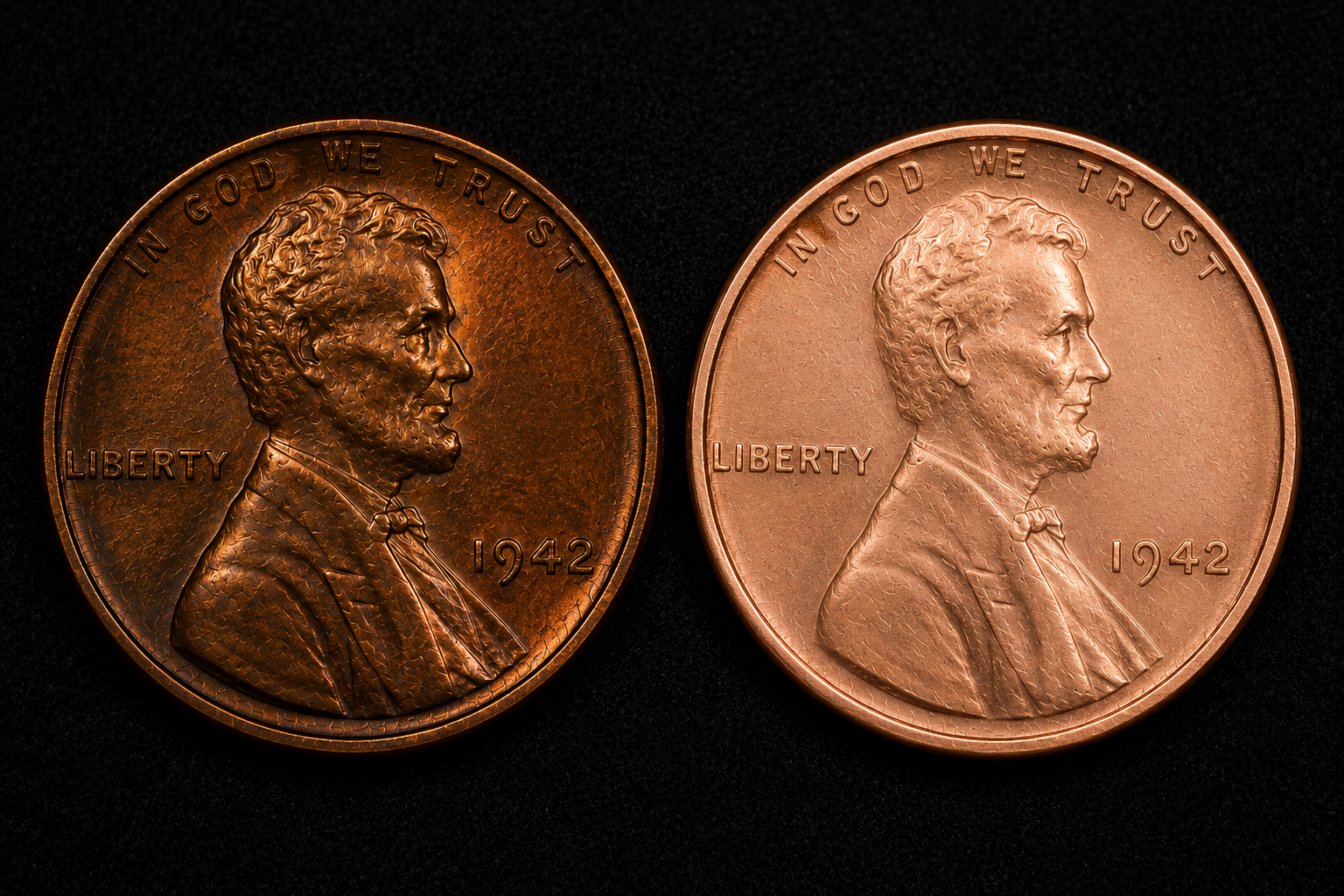
Photographs create another trap for beginners. A cleaned coin can look extremely attractive in a still image because the camera captures one lighting angle at one moment. Strong reflections make the fields appear smooth, while hairlines may disappear completely if the light is positioned incorrectly.
Original coins do not always photograph as dramatically. Natural toning can make them appear darker, and subtle luster may be difficult to capture without careful lighting. The result is that the altered coin looks brighter online even when the original coin looks far better in hand.
This is why experienced collectors do not trust a single photograph when evaluating surface originality. They look for multiple angles, consistent lighting, and evidence of how reflections move across the coin. When possible, video or direct inspection is even more useful.
A coin that looks flawless in one image may reveal cleaning lines immediately when viewed from another angle.
Why Experts Do Not Judge Cleaning From One Clue
One of the most important habits in coin evaluation is avoiding conclusions based on a single feature.
Hairlines may suggest cleaning, but isolated scratches can also result from ordinary contact. Bright color can raise questions, but some well-preserved coins remain naturally brilliant. Uneven toning may look suspicious, yet environmental exposure can create unusual patterns without deliberate cleaning.
Experts therefore build a case from several observations.
They study the direction of the lines.
They compare exposed fields with protected areas.
They watch the luster move.
They examine whether the color fits the metal and level of wear.
They look for texture changes across the portrait and fields.
When several clues point in the same direction, the conclusion becomes much stronger.
This method is closely related to how tiny surface changes reveal a coin’s history. Small clues become powerful when they agree with one another.
Common Beginner Mistakes
The most common mistake is believing that a cleaner-looking coin must be in better condition. Brightness is easy to notice, so it can dominate the entire first impression.
Another mistake is attempting to improve a coin at home. A collector may gently rub a dark cent, use metal polish, or apply a household cleaner believing the treatment is harmless. Even light rubbing can create fine lines that permanently change the surface.
Beginners also tend to focus on one large scratch while ignoring widespread cleaning hairlines. A single contact mark may be ordinary, while hundreds of fine directional lines can indicate far greater surface disturbance.
Another error is assuming that all toning is dirt. Natural toning is part of how many coins age. Removing it can expose a surface that looks unnaturally bright and may destroy original texture in the process.
Finally, many collectors rely too heavily on photographs. Cleaning is often easiest to detect through movement, and a still image may hide the strongest evidence.
How to Practice Identifying Cleaned Surfaces
The best way to improve is through comparison. Gather several inexpensive coins of the same type and examine them beneath one directional light source.
Rotate each coin slowly and watch the surface rather than the design at first.
Look for flowing luster, sudden flashes of fine lines, flat reflective areas, and unusual differences between open fields and protected spaces.
Then compare the coins side by side.
One may be darker but show more natural movement. Another may be bright but reveal parallel hairlines. A third may display strong original luster with only normal contact marks.
Repeated comparison builds visual memory. Over time, the difference between an original surface and an altered one becomes easier to recognize without conscious effort.
This is the same reason experts compare coins side by side. Contrast teaches the eye faster than isolated examination.
| Feature | Original Coin | Cleaned Coin |
|---|---|---|
| Luster | Moves naturally with rotation | May appear flat or unnaturally bright |
| Hairlines | Usually random contact marks only | Fine directional lines may appear |
| Color | Usually consistent with age and metal | May look unusually bright or uniform |
| Protected Areas | Blend naturally with surrounding surfaces | May contrast sharply with cleaned fields |
| Texture | Original surface character remains | May appear rubbed, smooth, or polished |
| Collector Appeal | Generally preferred when original | Often less desirable after alteration |
Why Experienced Collectors Often Walk Away
A cleaned coin is not necessarily worthless, and many historically interesting or scarce coins remain collectible even after surface alteration. But experienced collectors understand that originality cannot be replaced.
If two similar coins are available and one retains untouched surfaces while the other has been cleaned, the original example is usually the stronger choice.
The reason is not simply appearance. Original surfaces provide more reliable information. They allow the collector to read wear, luster, strike, toning, and preservation without interference from later alteration.
Cleaning can blur that evidence. Polishing may hide texture. Chemical treatment may change color. Repeated rubbing can flatten fine detail.
That loss of information is why experts are cautious.
Why Originality Matters More Over Time
Every cleaned coin permanently reduces the number of surviving original examples. Once a surface has been altered, it cannot return to its mint state.
This gives originality long-term importance. Common coins may remain plentiful, but truly original examples become harder to find as decades pass.
Collectors often become more selective as they gain experience. At first, they may choose the brightest coin. Later, they begin searching for natural color, undisturbed luster, and surfaces that still reflect the coin’s real history.
That shift is one of the clearest signs that a collector is learning to read coins rather than simply react to them.
Reality Check
Not every bright coin is cleaned, and not every dark coin is original. Some uncirculated coins remain naturally brilliant, while altered coins can develop toning again later. Cleaning should be identified through several clues working together, not through color or brightness alone.
“A cleaned coin may look younger, but an original coin usually tells the clearer story.”
Final Verdict
Cleaned coins fool beginners because brightness is easier to notice than originality. Polishing, rubbing, and chemical treatment can create a cleaner appearance while removing microscopic texture, disrupting mint luster, and leaving hairlines that only appear under directional light. Experienced collectors look beyond shine. They rotate the coin, compare protected areas, study surface texture, and ask whether every part of the coin tells a consistent story. Once you learn to separate artificial brightness from genuine preservation, cleaned coins become much easier to recognize.
Frequently Asked Questions
Does every shiny coin have cleaning damage?
No. Some uncirculated coins retain strong original brightness and natural mint luster. The key is whether the light moves naturally and the surface texture remains consistent.
What are cleaning hairlines?
Cleaning hairlines are fine scratches created by rubbing, wiping, polishing, or abrasive treatment. They often appear in groups and become easier to see under angled light.
Can a cleaned coin become original again?
No. New toning may develop over time, but lost metal texture and disturbed mint flow lines cannot be restored.
Are all cleaned coins worthless?
No. Rarity, historical importance, and remaining detail still matter. However, cleaning often reduces collector appeal compared with an otherwise similar original coin.
Why are cleaned coins harder to identify in photographs?
Still images capture only one angle. Hairlines, broken luster, and unnatural reflections may become visible only when the coin is rotated under directional light.
Should collectors clean old coins at home?
Collectors should avoid rubbing, polishing, or using household cleaners on collectible coins because these methods can permanently alter the surfaces.