Why Experts Always Start With the High Points
Estimated Reading Time: 16 Minutes
Watch an experienced coin collector examine a coin for the first time and you may notice something interesting. The collector rarely begins with the date. He rarely starts with the mint mark. He usually does not rush toward a possible error or variety either. Instead, his eyes often move toward a few specific locations on the design almost immediately. These locations are known as the high points, and they often tell a larger story than the rest of the coin combined.
To a beginner, this can seem strange. Why focus on a cheek, a lock of hair, the breast of an eagle, or a raised section of a building before looking at everything else? The answer is simple. High points are usually the first places where change becomes visible. They are often the first parts of a coin to experience friction, the first areas to lose texture, and the first locations where a collector can measure the difference between strong preservation and actual wear.
For that reason, high points act like an early warning system. They provide clues about circulation history, surface preservation, strike quality, and overall condition. Learning how to read them is one of the most important steps in developing the ability to evaluate coins the way experienced collectors do.
What This Article Explains
- What high points are and why they matter.
- Why experienced collectors examine them before anything else.
- How high points reveal wear faster than most other design areas.
- The relationship between high points and luster.
- Why strike quality can complicate high-point analysis.
- How beginners can train themselves to identify high points correctly.
Table of Contents
What Are High Points on a Coin?
Every coin design contains areas that sit higher than the surrounding surface. These raised sections are called high points. They are the parts of the design that stand closest to the viewer when the coin is viewed from above.
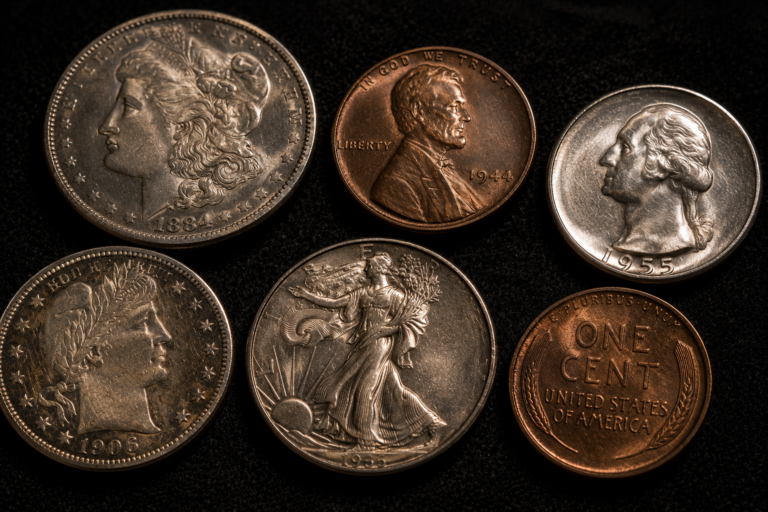
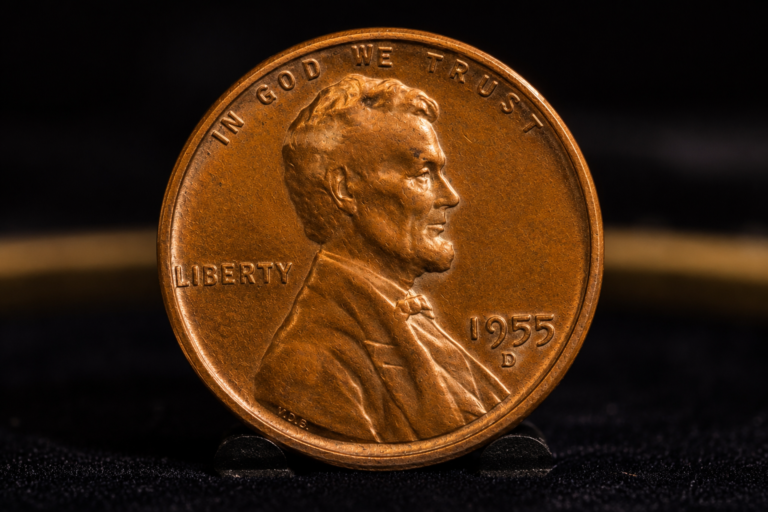
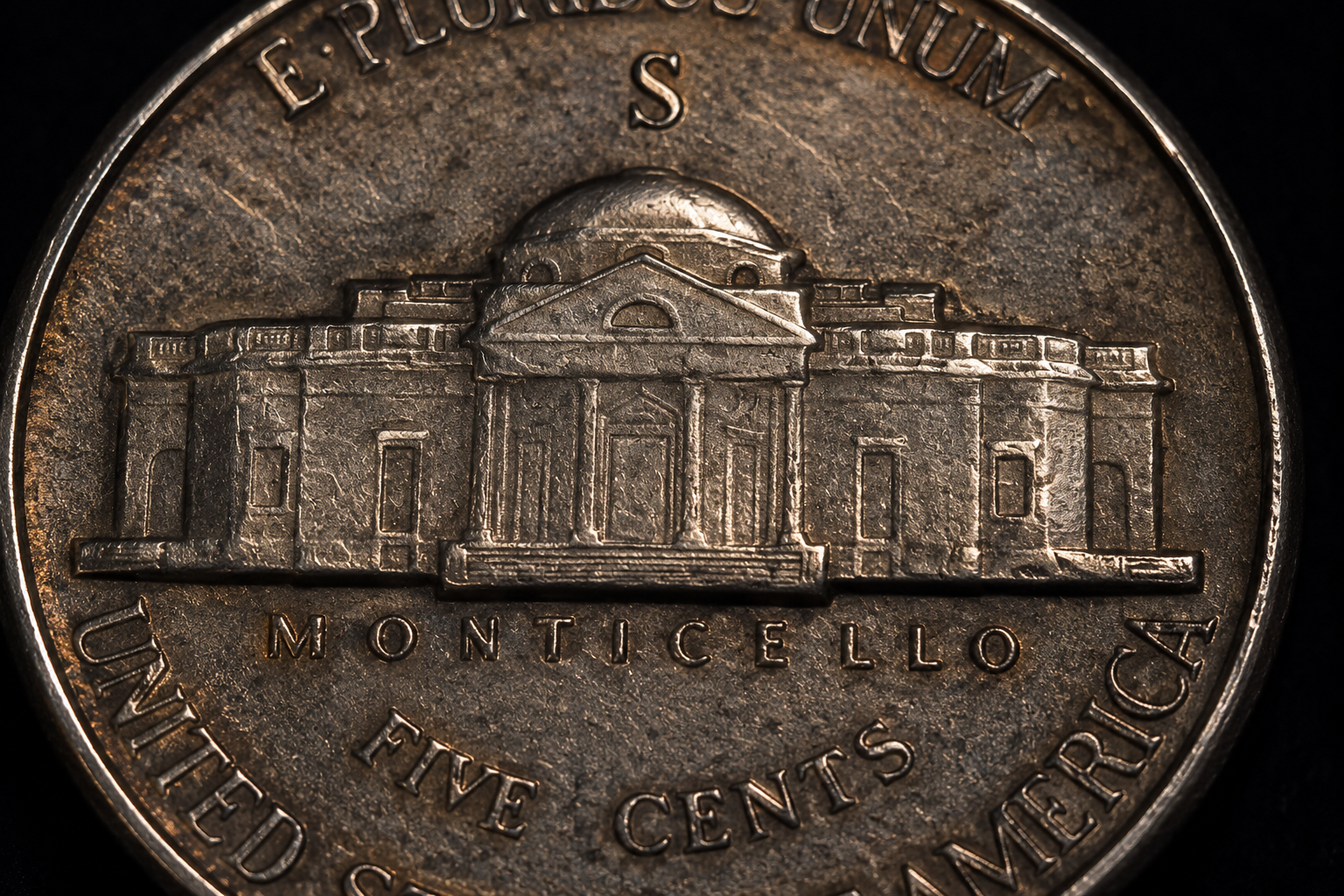
On a Lincoln cent, some of the most important high points are found on Lincoln’s cheek, jawline, hair above the ear, and portions of the coat. On a Jefferson nickel, collectors often study the cheekbone, hair, and upper facial details. On a Morgan dollar, attention frequently turns toward the hair above Liberty’s ear and the eagle’s breast feathers.
These locations matter because they are physically exposed. During circulation, raised design elements are more likely to experience contact with other coins, pockets, counters, storage containers, and countless surfaces encountered throughout daily use.
As a result, these areas often change before the rest of the design changes.
A collector who understands where the high points are located gains an advantage immediately. Instead of examining every part of the coin equally, attention can be directed toward the places most likely to reveal meaningful information.
This focused approach is one of the reasons experienced collectors can evaluate coins quickly. They know where the most useful clues tend to appear.
Why Experts Start There First
Imagine examining a coin under good lighting. The fields look attractive. The lettering appears complete. The rim seems intact. Everything looks promising.
Then you look at the highest points.
Suddenly the story changes.
You notice smoothness on the cheek. Fine texture appears weaker than expected. Light behaves differently across the highest design elements. Areas that should show strong detail now appear slightly flattened.
Those observations often provide more information than the date, mint mark, or overall appearance.
Experts begin with high points because these areas frequently reveal the earliest signs of change. If a coin has circulated extensively, high points often show evidence first. If a coin retains strong preservation, high points frequently help confirm it.
This does not mean the rest of the coin is unimportant. Rather, it means the high points provide a fast and reliable starting point for understanding what happened to the coin throughout its life.
The idea is similar to what we discussed in The First Thing Experts Look at on Any Coin. Experienced collectors are not randomly scanning the design. They are deliberately searching for the most informative areas first.
High points consistently rank among those areas.
Why Wear Usually Appears There First
One of the most important concepts in coin collecting is understanding how wear develops.
Many people assume wear means obvious damage. They expect heavy scratches, missing details, or dramatic changes. In reality, wear often begins quietly.
The first stage of wear may be nothing more than a slight reduction in surface texture. Fine microscopic features begin to soften. The metal becomes smoother. Tiny details lose definition.
Because high points receive the greatest exposure during circulation, these subtle changes often appear there first.
This is why collectors studying wear frequently compare the highest parts of a design before examining anything else. If those areas still display strong texture and sharp detail, preservation may be better than initially expected.
If those areas appear smooth while protected areas remain sharp, the evidence points toward circulation wear.
This principle connects directly with the lessons discussed in How to Tell the Difference Between Wear and Design. Understanding wear requires more than simply identifying weak detail. It requires understanding where change occurs and why it occurs.
High points provide some of the clearest answers.
The Hidden Importance of Texture Loss
Many collectors focus almost entirely on visible detail. They ask whether a feather is present, whether a hair strand remains visible, or whether a design element appears complete.
Experts often focus on something less obvious.
Texture.
A coin can retain considerable detail while still showing wear. Likewise, a coin can appear sharp at first glance while subtle texture loss reveals that circulation has already begun affecting the surface.
This is where high points become extremely valuable.
When wear begins, the first thing that often disappears is not the design itself. Instead, it is the original texture that gives the design life. The surface gradually loses its freshness. Light begins behaving differently. Reflections become less energetic. Fine microscopic features start blending together.
This topic closely relates to How Tiny Surface Changes Reveal a Coin’s History. Tiny surface changes often tell a larger story than major design elements. High points are among the first places where those changes become visible.
Collectors who learn to recognize texture loss gain a much deeper understanding of preservation than those who focus only on visible design details.
How Light Reveals Changes on High Points
Light plays a critical role in evaluating high points because many important clues cannot be fully appreciated from a straight-on view.
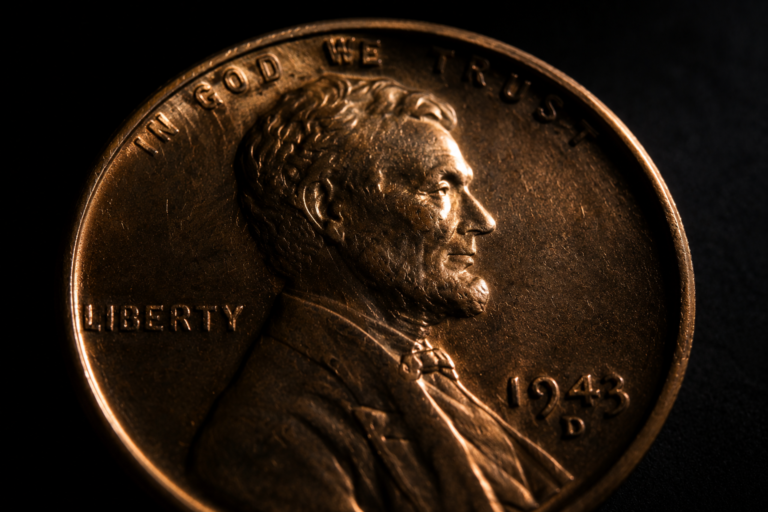
When a coin is illuminated from different angles, high points interact with light differently than protected areas. Reflections shift. Brightness changes. Surface texture becomes easier to evaluate.
This is one reason experienced collectors rely heavily on techniques described in How Experts Use Light to See Hidden Coin Details and Why Experts Rotate Coins Under Light.
As the coin rotates, the highest design elements often reveal subtle differences in texture and reflectivity. Areas that appear normal from one angle may suddenly show smoothness or weakness from another.
The opposite can also happen. A coin that initially appears worn may reveal stronger preservation when examined under proper lighting.
This is why experts rarely make judgments from a single viewing angle. High points often need movement and changing light conditions before their story becomes fully visible.
When Weak Strike Looks Like Wear
Although high points are extremely useful, they can sometimes create confusion.
Not every weak area on a high point is caused by wear.
Some coins leave the mint with less-than-perfect strike quality. The dies may not transfer every detail fully. Metal flow can vary. Certain design elements may appear softer even though the coin has experienced very little circulation.
This is where experience becomes important.
Experts do not automatically assume that weak detail equals wear. They examine the surface itself. They study texture. They observe how light behaves across the area. They compare exposed areas with protected areas.
Most importantly, they often compare multiple examples.
As discussed in Why Experts Compare Coins Side by Side, comparison helps separate actual wear from strike-related weakness. If several examples show the same soft detail, the design or strike may be responsible. If only one coin shows smoothing accompanied by texture loss, wear becomes more likely.
This ability to distinguish strike weakness from wear is one of the reasons experienced collectors rely on high points without becoming trapped by them.
A Lincoln Cent Example
Lincoln cents provide an excellent demonstration of why high points matter.
When examining a circulated Lincoln cent, many collectors begin by studying Lincoln’s cheek and jawline. These areas often reveal changes before other parts of the portrait. Subtle smoothness, reduced texture, and altered reflections can indicate circulation wear long before major design elements disappear.
The hair above Lincoln’s ear can also provide useful information. Strong detail and healthy texture often suggest better preservation, while flattening may indicate wear or strike weakness depending on the overall context.
The key is not to focus on a single clue. Experts build a complete picture by combining observations.
They examine texture, detail, light behavior, surface quality, and consistency across the design. High points serve as the starting point, not the final answer.
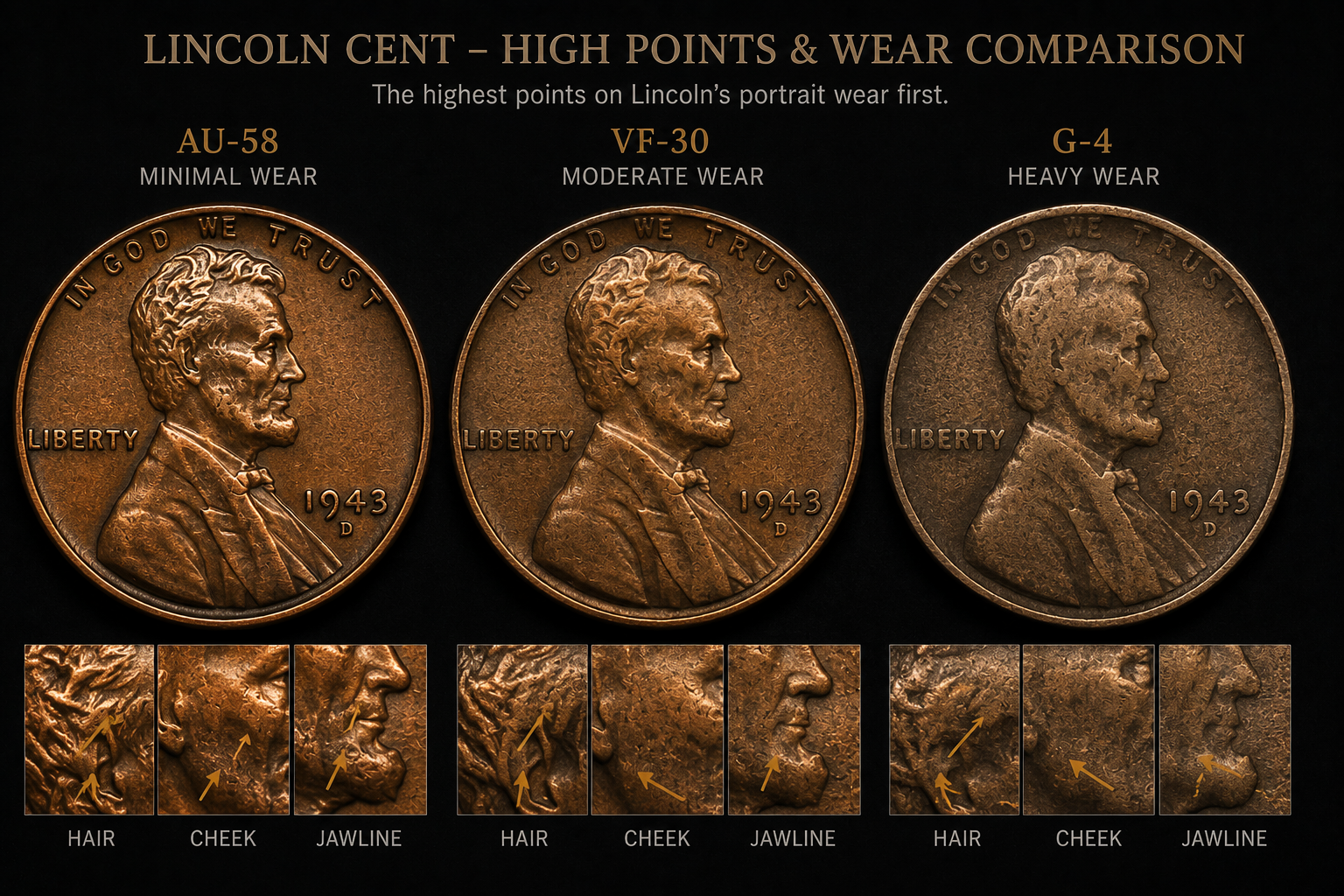
Once collectors understand how to identify and evaluate these areas, they begin seeing coins differently. Designs become more than artistic images. They become maps of preservation, wear, and history. The high points often provide the first clues on that map, which is exactly why experienced collectors return to them again and again whenever a new coin appears in front of them.
Why Comparing High Points Changes Everything
One of the biggest mistakes new collectors make is evaluating a high point without any reference. They may look at a cheek, a hair curl, or a raised feather and decide that it appears strong or weak based purely on instinct. The problem is that instinct can be unreliable when there is no visual benchmark.
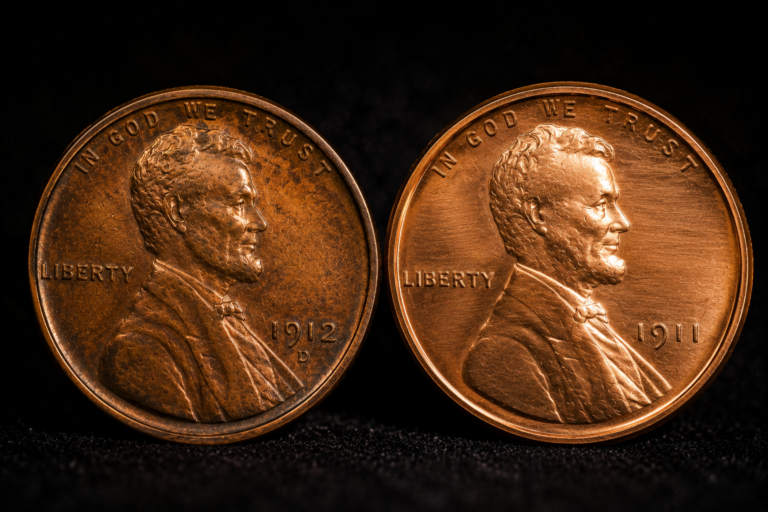
This is why experienced collectors frequently compare coins side by side. A high point that appears perfectly normal on one coin may suddenly look noticeably flatter when placed next to a stronger example. The detail did not change. The collector’s perspective changed.
This idea connects directly with Why Experts Compare Coins Side by Side. Comparison creates context. Context allows the eye to detect differences more accurately.
Imagine examining two Lincoln cents under identical lighting. One displays stronger texture on Lincoln’s cheek and more complete detail in the hair above the ear. The second shows slight smoothness in those same areas. Viewed separately, both coins might appear similar. Viewed together, the differences become obvious.
Experts understand that coins reveal information through contrast. High points become easier to interpret when another coin provides a visual reference.
This comparison process is especially useful when studying subtle wear because early wear can be difficult to recognize in isolation. A side-by-side examination often makes the progression of wear much easier to understand.
How Different Coin Designs Have Different High Points
Every coin design has its own map of high points. Learning these locations is one of the most valuable skills a collector can develop.
On Lincoln cents, attention often focuses on the cheek, jawline, and hair above the ear. On Jefferson nickels, collectors frequently study the cheekbone and upper hair details. Roosevelt dimes often reveal wear through the hair and facial contours. Washington quarters have important high points on the cheek and hair curls, while Morgan dollars are famous for showing early changes on Liberty’s hair above the ear and the eagle’s breast feathers.
This variation explains why experienced collectors study each series individually. The principles remain the same, but the specific locations change.
Collectors who understand where the high points are located can evaluate coins more efficiently because they know exactly where meaningful clues are most likely to appear.
Rather than examining every area with equal attention, they focus on the locations most sensitive to wear and preservation changes.
Over time, these locations become familiar. The collector develops a mental map that speeds up examination without sacrificing accuracy.
Why High Points Often Reveal Luster Breaks First
High points are not only useful for detecting wear. They are also important for understanding luster.
Original mint luster is one of the defining characteristics of a well-preserved coin. As discussed in previous articles, luster is not simply brightness. It is the way light moves across the microscopic structure created during the minting process.
When circulation begins affecting a coin, the high points often experience the earliest disruption to that structure. Even slight friction can alter the way light behaves. The result may be a break in luster long before major design details disappear.
This is why experienced collectors pay close attention to how light travels across the highest parts of a design. Areas that appear slightly dull or interrupted can provide valuable clues about the coin’s history.
The relationship between high points and luster becomes especially clear when the coin is rotated under a controlled light source. Changes that are difficult to see from one angle may become obvious from another.
Collectors who learn to recognize luster breaks on high points gain an important advantage when evaluating preservation.
Why Beginners Sometimes Misread High Points
High points are useful, but they can also be misleading when interpreted too quickly.
One common mistake is assuming that every soft area indicates wear. As discussed earlier, weak strikes can create similar visual effects. Another mistake is focusing only on detail while ignoring surface texture and light behavior.
A collector may see complete design detail and assume the coin is free from wear. Yet subtle texture loss and luster breaks on the high points may suggest otherwise.
The opposite mistake can also occur. A softly struck coin may appear worn even though the surface remains largely original.
This is why experts rarely rely on a single clue. They combine observations. They study detail, texture, luster, strike characteristics, and consistency across the entire design.
The high points provide a starting point, but they are only part of the overall story.
The more coins a collector examines, the easier it becomes to distinguish between these different possibilities.
Training Your Eye to See What Experts See
The ability to read high points is not something collectors are born with. It develops through observation and repetition.
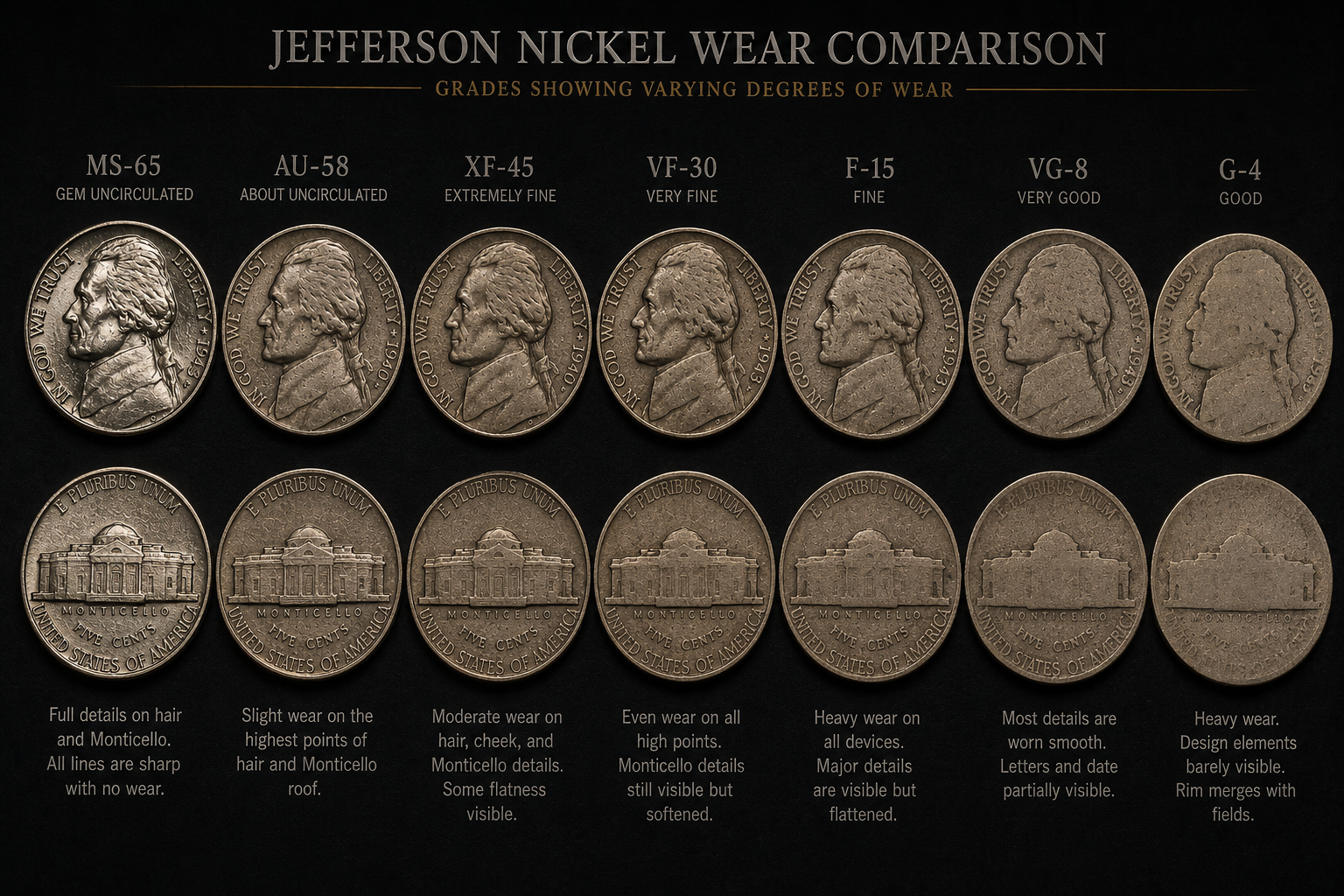
A useful exercise is to gather several coins of the same type and compare their high points under identical lighting. Look at the same locations on each coin. Notice how texture changes. Observe how reflections behave. Study how much detail remains in the highest areas.
At first, the differences may seem small. With practice, they become easier to recognize.
This training process is similar to learning any visual skill. Repetition builds familiarity. Familiarity builds confidence. Confidence leads to better observations.
Experienced collectors often appear to identify wear quickly, but that ability usually comes from years of repeated comparison rather than extraordinary eyesight.
Their eyes have simply seen enough examples to recognize patterns more efficiently.
The good news is that every collector can develop the same skill. It does not require expensive equipment or professional certification. It requires attention, patience, and repeated exposure to real coins.
| Coin Type | Common High Points | What Experts Look For |
|---|---|---|
| Lincoln Cent | Cheek, jaw, hair above ear | Texture loss and flattening |
| Jefferson Nickel | Cheekbone, hair details | Surface smoothness and wear |
| Roosevelt Dime | Hair, cheek, jawline | Weakening detail and luster breaks |
| Washington Quarter | Cheek, hair curls, eagle breast | Friction and loss of texture |
| Kennedy Half Dollar | Hair, cheek, jawline | Surface preservation and detail retention |
| Morgan Dollar | Hair above ear, eagle breast feathers | Early wear indicators |
Reality Check
Many collectors spend years focusing on dates, mint marks, and rarity before fully understanding the importance of high points. Yet these raised design elements often provide some of the fastest and most reliable clues about a coin’s condition. Learning to read them can improve almost every aspect of coin evaluation.
“The highest parts of a coin often carry the earliest evidence of its journey.”
Final Verdict
Experts start with the high points because these areas frequently reveal the most important information in the shortest amount of time. They often show the earliest signs of wear, the first breaks in luster, and some of the clearest clues about preservation. While high points should never be examined in isolation, they provide an excellent starting point for understanding a coin’s condition. Once you learn where they are and how to read them, you begin seeing coins the way experienced collectors do—through evidence rather than assumption.
Frequently Asked Questions
What are high points on a coin?
High points are the raised areas of a coin’s design that sit closest to the viewer. They are often the first places where wear and texture loss become visible.
Why do experts examine high points first?
Because high points frequently reveal early signs of wear, preservation changes, and luster disruption. They provide valuable information quickly.
Can weak high-point detail always be blamed on wear?
No. Some coins leave the mint with weakly struck details. Experts study texture, luster, and surrounding areas before deciding whether weakness comes from wear or strike quality.