Why Some Pennies Look “Strange” But Are Completely Normal
Estimated reading time: 15 minutes.
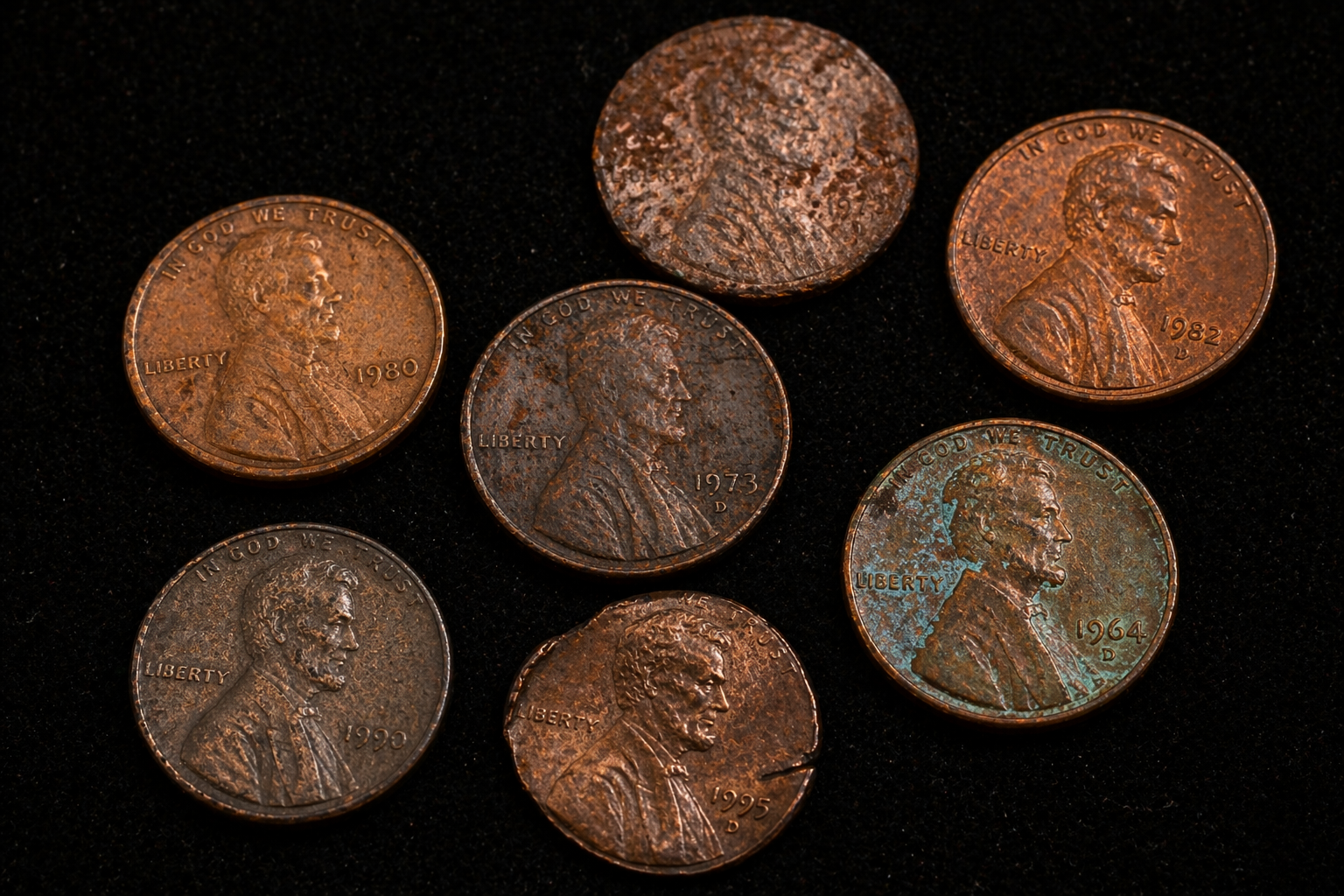
Some pennies look strange the moment you see them, with uneven color, faded areas, or textures that feel different from what you expect, and this often leads people to believe that something unusual has happened to the coin.
The truth is that most of these strange appearances are completely normal, shaped by time, environment, and the way coins move through everyday life.
Once you understand why these changes happen, what looked strange begins to feel expected.
What this article explains
This article explains why some pennies appear unusual and how natural processes like wear and oxidation create these changes over time.
- Why coins do not stay the same
- The role of wear in changing appearance
- Why color changes happen
- Surface texture and what it means
- Why differences between coins are normal
- Table of strange appearance vs reality
- Reality Check
- Final Verdict
- FAQ
Why coins do not stay the same
Coins are not static objects, because they are constantly handled, moved, and exposed to different environments, which means their appearance changes over time.
Even though the design remains the same, the surface is always evolving.
This idea connects closely with the misunderstanding explained in the one mistake people make when looking at pennies .
The role of wear in changing appearance
As coins circulate, the highest points of the design wear down first, which gradually removes fine details while leaving deeper areas intact. :contentReference[oaicite:1]{index=1}
This creates uneven surfaces that can look unusual, even though they are simply the result of normal use.
Why color changes happen
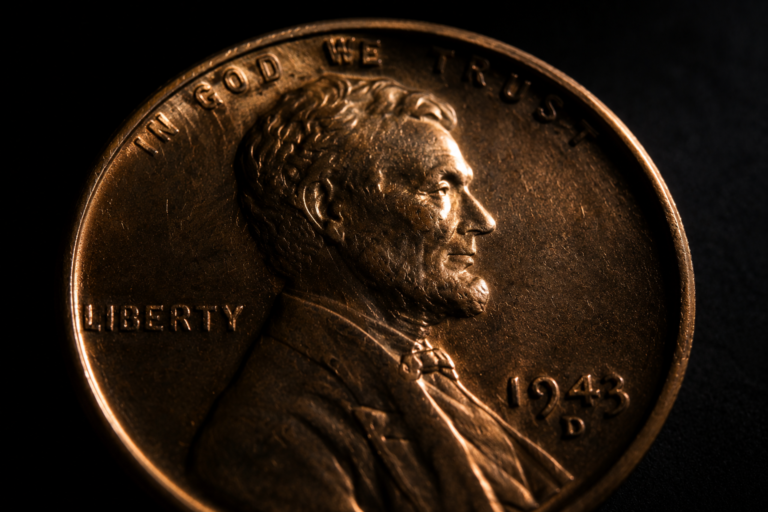
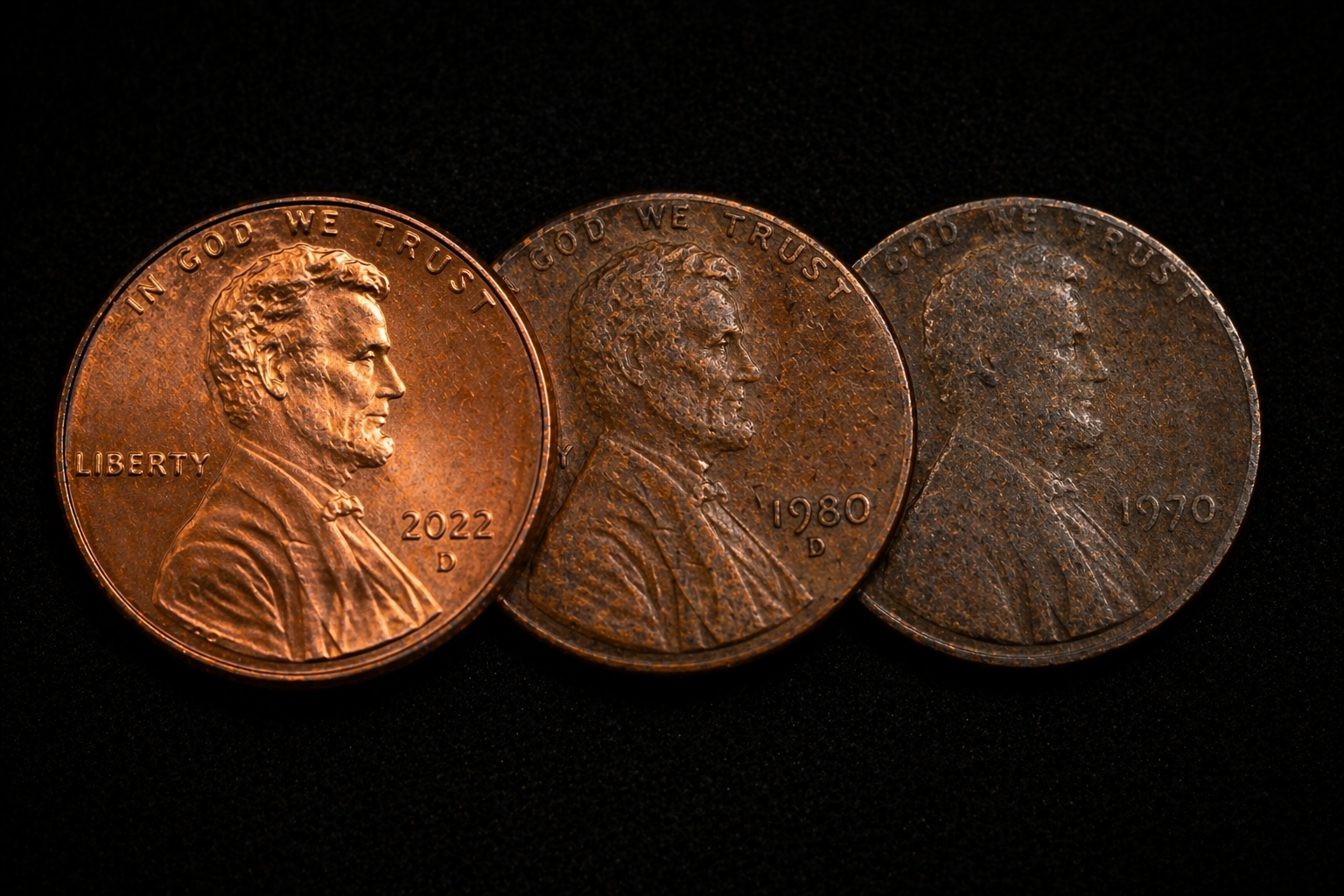
Copper coins naturally change color over time due to oxidation, which is a chemical reaction with air that turns the original reddish tone into darker shades. :contentReference[oaicite:2]{index=2}
This process happens gradually, which is why older pennies often look darker or uneven in color.
Surface texture and what it means
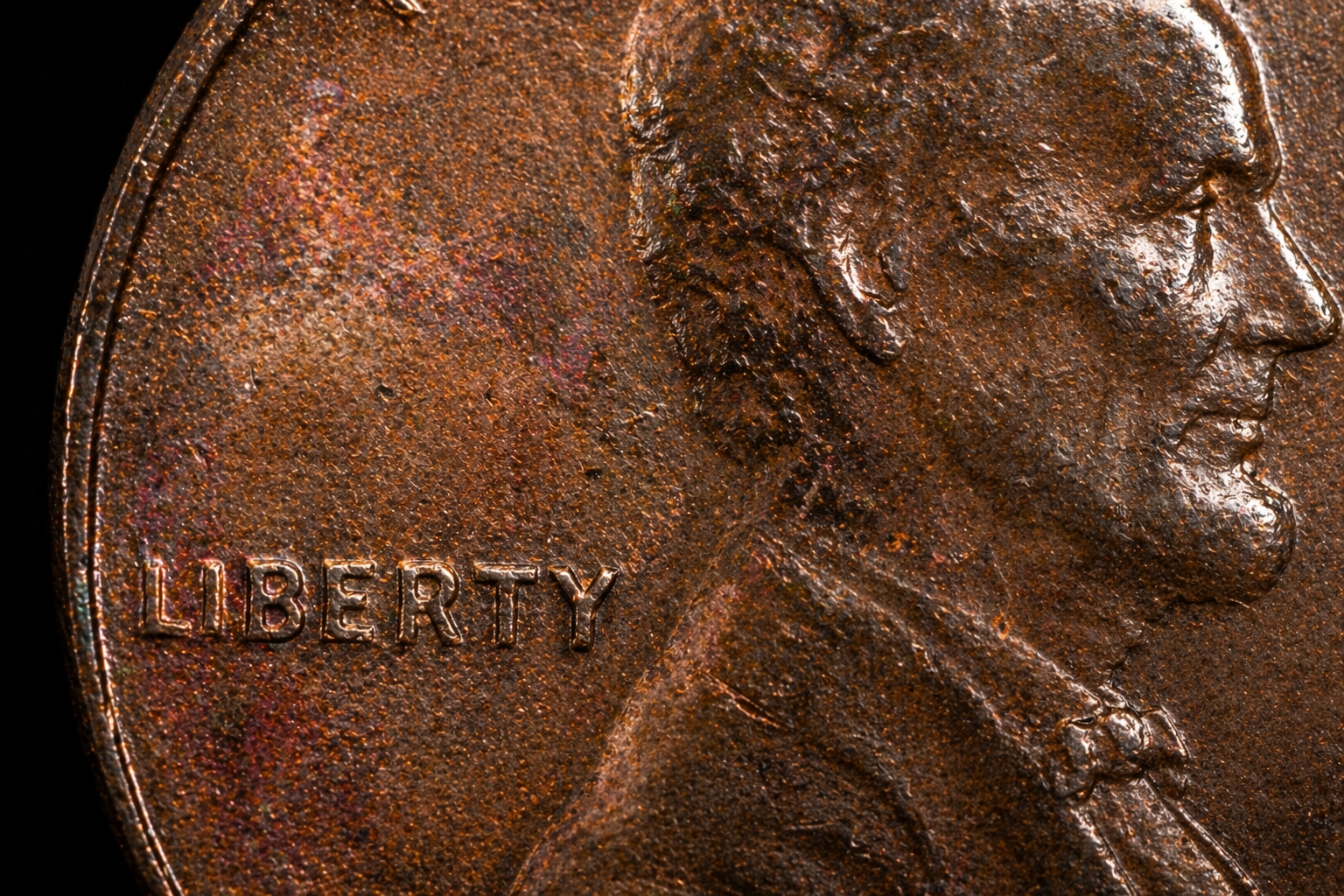
The texture of a coin also changes as it moves through circulation, developing smooth areas, small marks, and variations that reflect how it has been used.
These features are not defects, but part of the coin’s history.
This connects with the deeper observation discussed in hidden details on the Lincoln penny .
Why differences between coins are normal
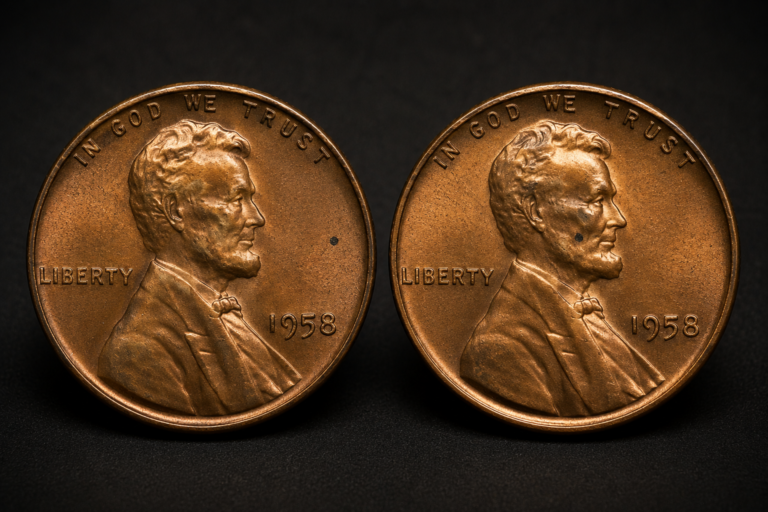
Even coins produced in the same period can look different because each one experiences a unique path through circulation, exposure, and handling.
This explains why no two worn coins look exactly the same.
You can also see how material plays a role in the secret differences between old and new pennies .
Table of strange appearance vs reality
| Appearance | What It Looks Like | Real Reason |
|---|---|---|
| Uneven color | Stains | Oxidation |
| Smooth areas | Missing detail | Wear |
| Dull surface | Low quality | Aging |
| Patchy texture | Damage | Usage |
| Different coins | Inconsistency | Circulation history |
Reality Check
Most strange-looking pennies are completely normal and reflect natural changes over time.
“What looks unusual is often just the result of time doing its work.”
Final Verdict
Pennies may look strange at times, but those differences are not signs of error, they are signs of use, history, and natural change.
By understanding these changes, we begin to see coins more clearly and appreciate the story each one carries.
FAQ
Why do pennies look different
Because of wear, oxidation, and circulation over time.
Is unusual color a problem
No, it is usually a natural reaction of the metal.
Do strange pennies have special meaning
Most are completely normal and not rare.