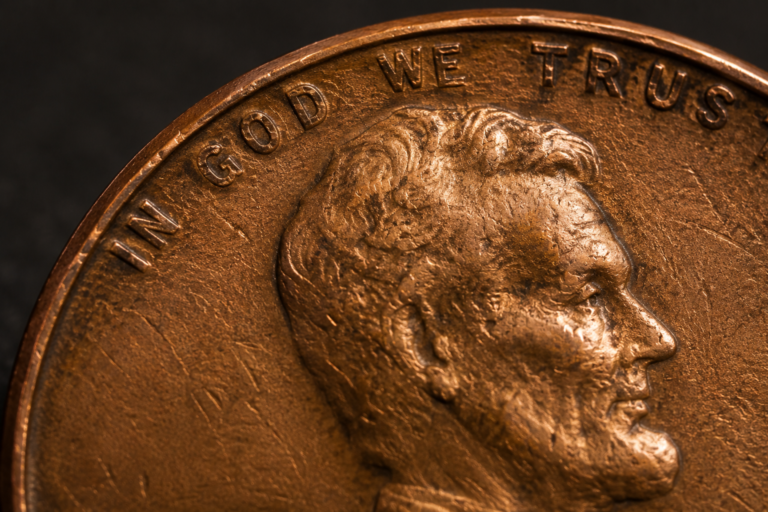
Why Experts Compare Coins Side by Side Before Making Any Judgment
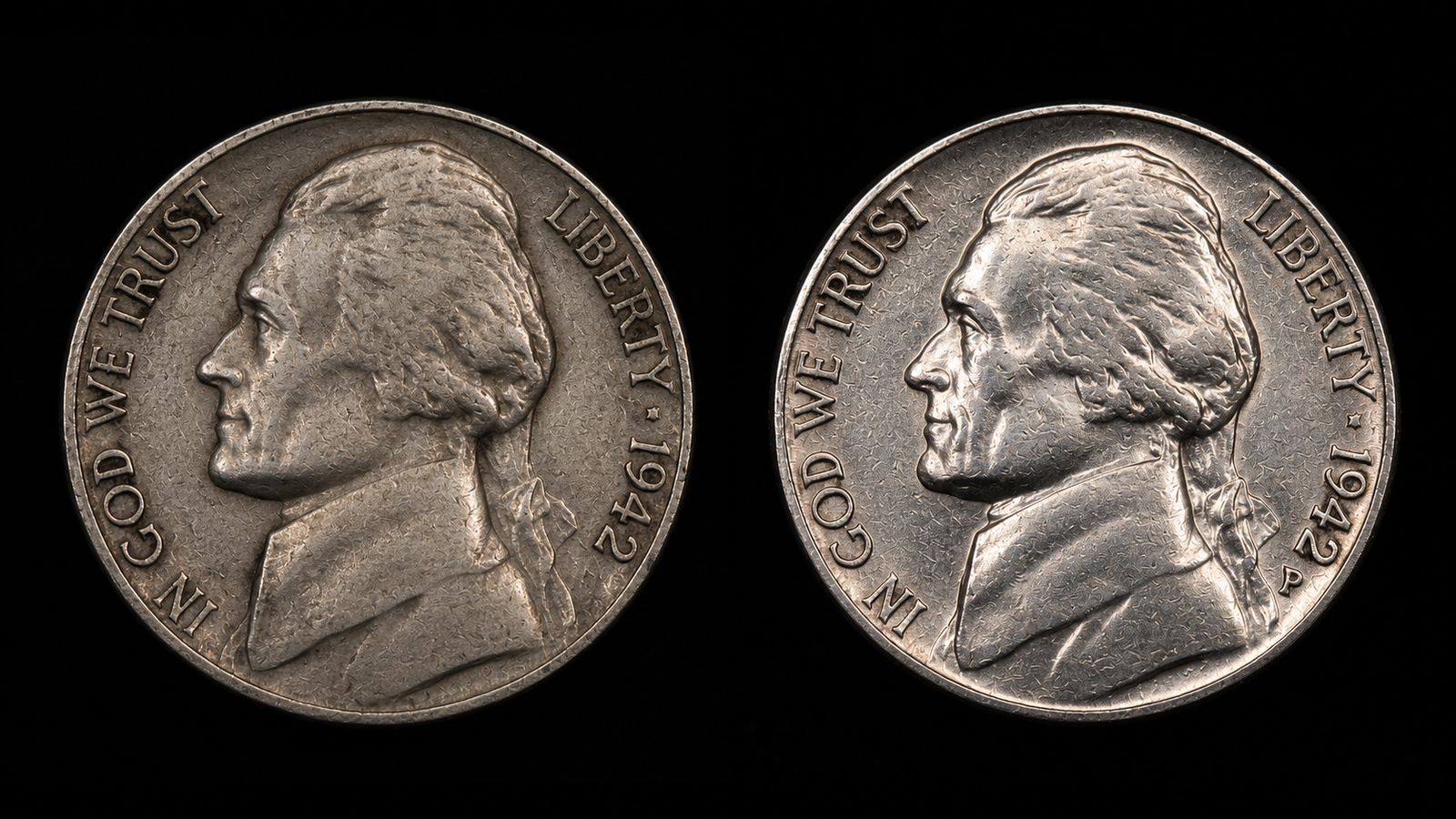
Estimated Reading Time: 15 minutes
Most people look at a coin as if it can explain itself alone. They hold it under a lamp, tilt it once or twice, notice the date, glance at the portrait, and then try to decide whether it looks worn, sharp, strange, valuable, damaged, cleaned, or simply normal. That first impression can feel convincing, but it is often incomplete because a single coin gives the eye very little context.
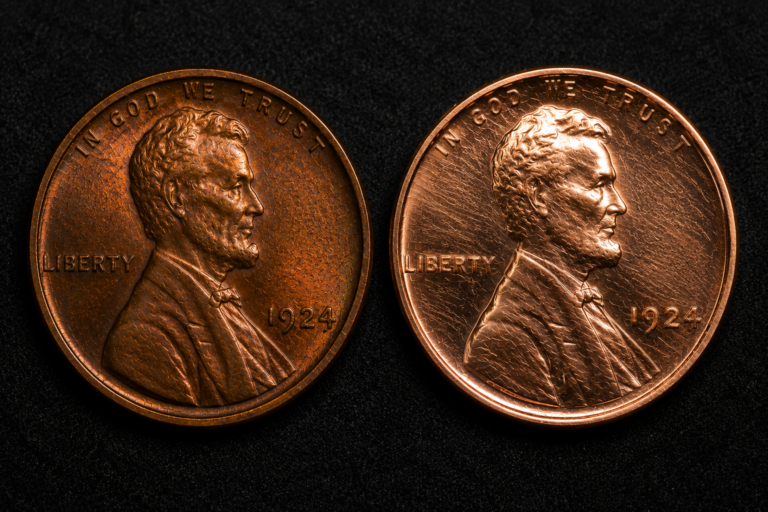
Experienced collectors rarely depend on that isolated view. They know that a coin becomes much easier to understand when another similar coin is placed beside it. The difference can be surprising. Details that seemed sharp a moment ago may suddenly look soft. A surface that appeared bright may begin to look dull. A rim that seemed ordinary may look weaker than the coin next to it. Side-by-side comparison turns vague impressions into visible differences.
This is why experts compare coins side by side before making serious judgments. They are not only looking at one coin. They are reading relationships between coins. They are using contrast to understand wear, strike quality, luster, color, surface history, and preservation. Once you learn this habit, coin reading becomes less about guessing and more about seeing what the coin is quietly revealing.
What This Article Explains
- Why a single coin can mislead even careful collectors.
- How experts use comparison to see wear, strike quality, and surface differences more clearly.
- Why two similar coins often reveal more than one coin under stronger magnification.
- How side-by-side viewing fits into the expert coin reading process.
- Why comparison helps separate normal design weakness from actual circulation wear.
- How beginners can use this method at home without expensive tools.
Table of Contents
- The Problem With Judging One Coin Alone
- Why Experts Reach for a Second Coin
- How Visual Context Changes What You See
- How Side-by-Side Comparison Reveals Wear
- Why Comparison Helps Separate Strike From Wear
- How Light Behaves Differently Across Two Coins
- What a Simple Two-Coin Comparison Can Reveal
- Why Surface History Becomes Easier to Read
The Problem With Judging One Coin Alone
A single coin can be very persuasive. If the date is clear, the portrait is strong, and the lettering is readable, the coin may immediately feel like a better example than it really is. This is especially true for beginners because the mind naturally fills in missing information. When you expect a design to look a certain way, your eyes can accept weak areas as normal without questioning them.
The difficulty is that coin condition is not judged only by whether the design is visible. It is judged by how much detail remains, how that detail compares to what should be present, how the metal surface reacts under light, and whether the coin shows natural preservation or evidence of disturbance. These are not always obvious from one isolated view.
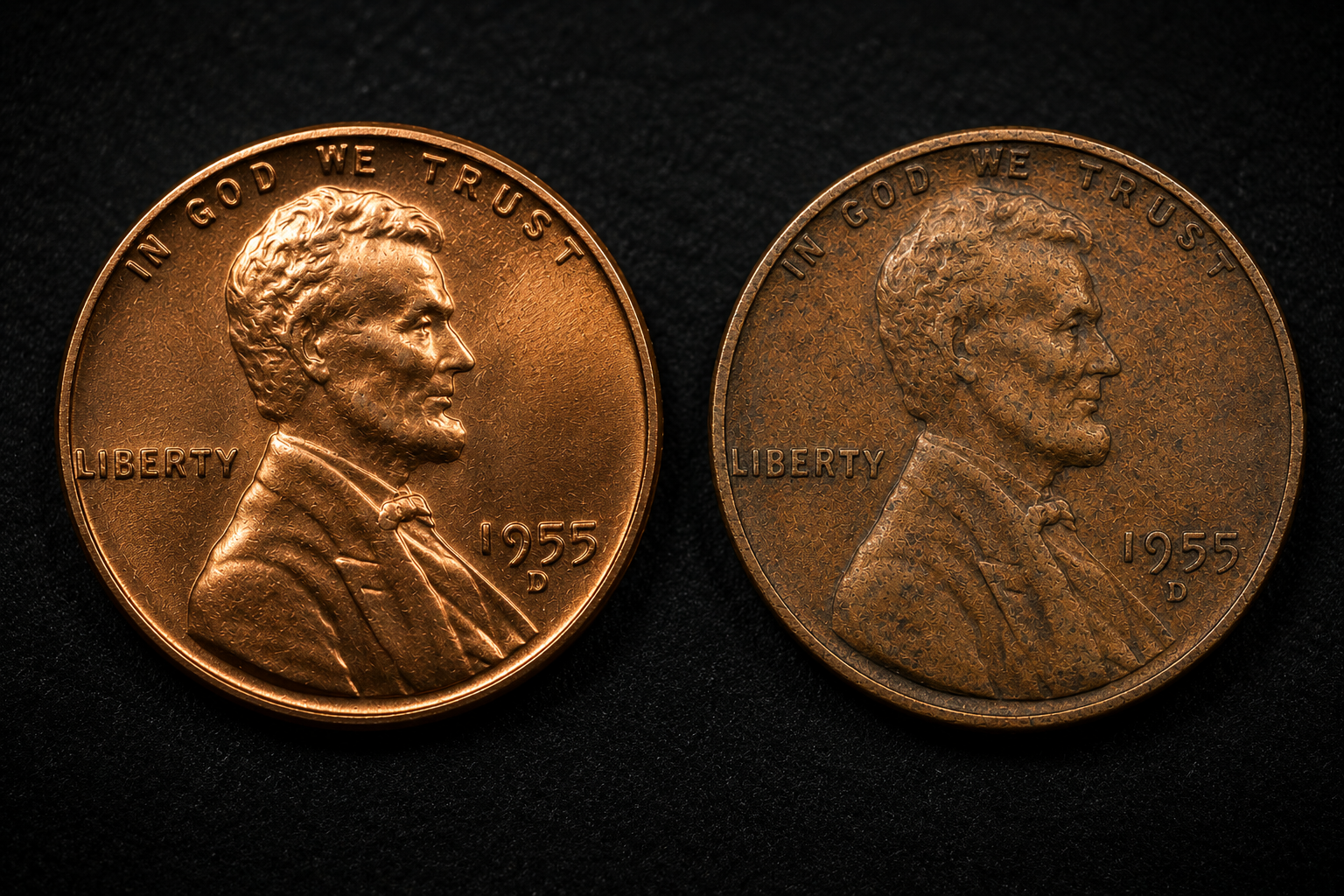
For example, a Lincoln cent may appear to have strong portrait detail when examined alone. The cheek, jaw, bow tie, and coat lines may all be visible. But when that same cent is placed beside another example with sharper high points, the first coin may suddenly look flatter than expected. The difference was always there. The collector simply lacked a reference point.
This is one of the reasons experts build their observation process step by step. Before making conclusions, they first learn how to read the coin as a complete object, not just as a date and design. That larger method is the foundation of How to Read a Coin Step by Step, and side-by-side comparison is one of the most powerful habits inside that process.
Looking at one coin alone often leads to broad statements. It looks nice. It looks old. It looks worn. It looks shiny. Looking at two coins together creates sharper observations. This one has stronger hair detail. This one has smoother high points. This one has more natural luster. This one shows more surface marks. The language becomes more precise because the eye has something to measure against.
Why Experts Reach for a Second Coin
When an experienced collector places two coins beside each other, the goal is not simply to choose which one looks better. The goal is to create a visual conversation between the coins. Each coin becomes a reference for the other. One may show stronger strike detail. Another may show better surface preservation. One may have more attractive color. Another may reveal tiny marks that were hidden until contrast made them noticeable.
This habit is common because experts understand that coins do not always tell their story loudly. Many details are subtle. A slight loss of texture on the high points can indicate circulation wear. A muted reflection may suggest disturbed luster. A different color pattern can hint at environmental exposure, cleaning, or storage conditions. These signs can be difficult to interpret alone, but they become much easier to recognize when compared with a similar coin.
Side-by-side comparison also reduces emotional judgment. A collector may want a coin to be better than it is, especially if it came from a family collection, a fresh roll, an old album, or a personal find. Comparison brings the observation back to evidence. It asks the simple question: how does this coin actually look next to another example?
This is why many experts do not trust the first impression. They know the first impression can be influenced by lighting, expectations, memory, and excitement. A second coin introduces reality. It forces the eye to slow down and notice measurable differences.
In many cases, the second coin does not need to be rare, expensive, or perfectly graded. Even an ordinary circulated example can help. The purpose is not always to compare against perfection. Sometimes the purpose is simply to understand which features are stronger, weaker, smoother, brighter, darker, sharper, or more disturbed.
How Visual Context Changes What You See
The human eye is excellent at comparison. It detects contrast faster than it measures absolute condition. This is why two colors can look different when placed beside each other, why a room seems brighter after walking out of a dark hallway, and why a small scratch on a surface becomes obvious only when the surrounding area is smooth.
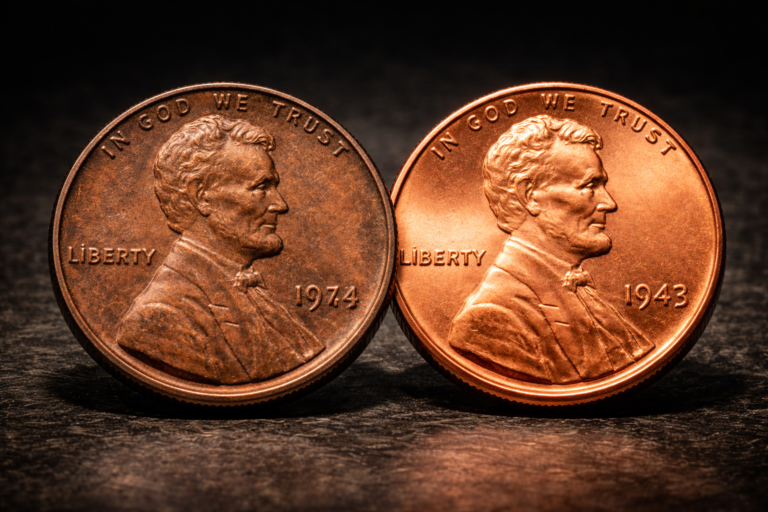
Coins behave the same way. A coin that looks bright by itself may look dull beside a coin with stronger original luster. A design that appears sharp alone may look weak beside a better struck example. A surface that looks clean at first may show fine hairlines when placed beside a coin with more natural texture.
This visual context is especially important in American coins because many designs contain high points, low fields, lettering, rims, and relief details that wear or strike differently. The portrait on one coin may lose detail first on the cheek, hair, jaw, or shoulder. Another design may show early weakness on an eagle’s feathers, shield lines, wheat stalks, building steps, or lettering. Without comparison, those changes can look normal. With comparison, they become part of the coin’s story.
This is closely connected to the idea discussed in The First Thing Experts Look at on Any Coin. Experts are not only checking one dramatic feature. They are studying the overall relationship between design, surface, light, and preservation. When two coins are placed together, those relationships become easier to see.
The difference can be small, but small differences matter. In coin collecting, a slight change in surface texture can separate natural circulation from cleaning. A slight difference in relief can separate weak strike from wear. A slight difference in luster can separate an original coin from one that has been handled heavily or stored poorly.
Comparison trains the eye to notice these differences without forcing the collector to rely on guesswork.
How Side-by-Side Comparison Reveals Wear
Wear is one of the easiest words to use and one of the hardest things to judge correctly. Many collectors say a coin is worn when they simply see weakness. Others miss genuine wear because the coin still looks attractive overall. The problem is that wear does not always appear as obvious damage. It often begins as a softening of texture on the highest parts of the design.
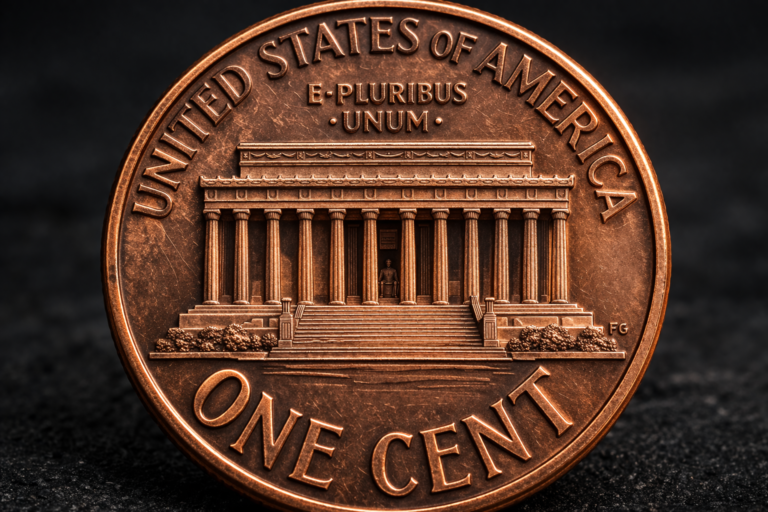
When a coin circulates, the first areas to lose detail are usually the highest points. These are the parts of the design that make the most contact with fingers, pockets, bags, counters, and other coins. On a portrait coin, that might be the cheek, hair, jawline, shoulder, or central relief. On a reverse design, it might be feathers, building details, wreath leaves, shield lines, or raised lettering.
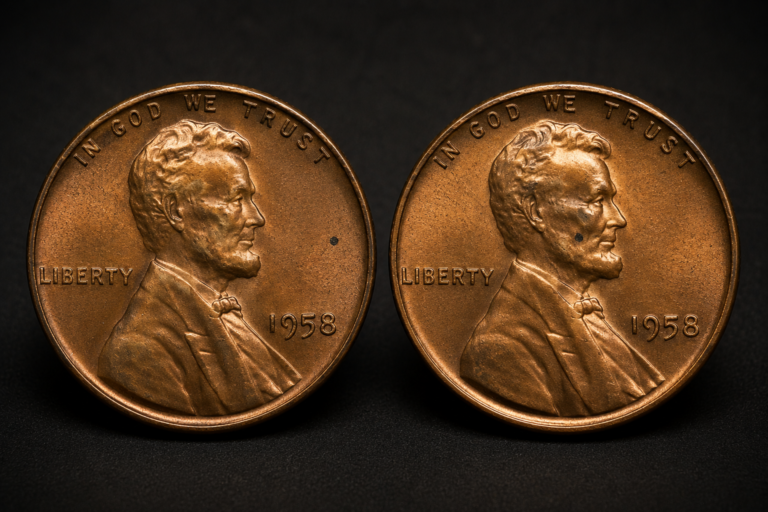
One coin alone may not make this easy to see. A high point can look smooth simply because the design was softly struck. Another area can look flat because the die was worn. But when two coins of the same type are compared, the pattern becomes clearer. If one coin shows sharper detail in the same area while the other shows smoothing and dullness, the difference points toward wear.
This is why comparison is one of the best practical ways to understand How to Tell the Difference Between Wear and Design. Reading about wear helps, but seeing two examples together teaches the eye faster. The stronger coin shows what the detail can look like. The weaker coin shows what has been lost.
A good comparison does not need to be dramatic. In fact, subtle comparisons are often more educational. Place two similar coins under the same light and look at the highest points first. Do not begin with the date or mint mark. Look where the design rises from the surface. Look at whether the texture is still grainy, satiny, reflective, or smooth. Then compare the same exact area on the second coin.
If the difference appears only in the highest exposed areas, wear becomes more likely. If the weakness appears in protected areas too, or appears in a pattern common to that coin type, strike weakness may be part of the explanation. This is where comparison becomes more than a quick visual trick. It becomes a method of reasoning.
Why Comparison Helps Separate Strike From Wear
One of the most common mistakes in coin collecting is confusing weak strike with circulation wear. These two things can look similar at first glance because both may produce missing or soft detail. Yet they have very different meanings.
Wear happens after the coin leaves the mint. It comes from use, handling, friction, and contact. Strike weakness happens during production. It can result from die condition, striking pressure, planchet issues, design characteristics, or metal flow during the minting process. A weakly struck coin may have missing detail even if it never circulated heavily.
Side-by-side comparison helps because it allows the collector to examine patterns. If two coins from the same series show weakness in the same design area, especially while their surfaces remain otherwise fresh, that weakness may be related to strike or design. If one coin shows sharper detail while another shows smoothness only on exposed high points, actual wear becomes more likely.
This distinction is important because a coin with weak strike is not the same as a coin with heavy wear. A softly struck coin may still have original surfaces, while a worn coin has lost metal texture through circulation. The difference can affect how a collector understands the coin, how it fits into a collection, and how it should be described.
Experts compare coins side by side because they want to avoid judging a coin from one clue. They study the whole picture. They ask whether the fields still show natural texture. They watch how light moves across the high points. They compare protected areas against exposed areas. They look for consistency between the obverse and reverse.
This is also why comparing only photographs can sometimes be risky. Photos may change brightness, contrast, color, and sharpness. Real coins under the same light provide better comparison because the collector can rotate both examples and watch how the surface behaves from different angles.
How Light Behaves Differently Across Two Coins
Light is one of the most important tools in coin examination. A coin does not reveal all of its information from a flat, straight view. Details appear and disappear as the coin is tilted. Hairlines catch light at certain angles. Luster rolls across original surfaces. Dull areas remain flat. Marks become stronger when the light moves.
This is why expert collectors often combine side-by-side comparison with controlled lighting. They place two coins under the same light source and rotate them slowly. The goal is not to make the coin look beautiful. The goal is to see how the surface responds.
This technique builds directly on How Experts Use Light to See Hidden Coin Details and Why Experts Rotate Coins Under Light. A single coin under light can reveal a lot, but two coins under the same light reveal even more. The differences in reflection become easier to recognize because the eye can compare them instantly.
Original luster often has movement. It does not simply shine in one place. It travels across the surface as the coin turns. A coin with stronger luster may show a more complete and lively reflection, while a coin with disturbed surfaces may look flat, patchy, or uneven. When both coins are viewed together, the difference can be much clearer than when each coin is examined separately.
The same applies to hairlines and cleaning evidence. Fine lines may be hard to see on one coin, especially if the viewer is not sure what natural surface texture should look like. But if one coin has a smoother, more original surface and another shows unnatural directional lines, comparison helps the pattern stand out.
This is one of the quiet reasons experts often keep reference coins, even common ones. A reference coin is not always used because it is valuable. It is used because it teaches the eye what normal surfaces, normal color, normal luster, and normal strike characteristics can look like.
What a Simple Two-Coin Comparison Can Reveal
A simple side-by-side comparison can reveal more than many collectors expect. Two Lincoln cents, two Jefferson nickels, two Washington quarters, or two Kennedy half dollars may look similar at first. They may share the same basic design, the same denomination, and even the same year. But once they are placed together, the differences begin to separate themselves.
One coin may show sharper letters near the rim. Another may have smoother high points on the portrait. One may display a stronger rim, while the other shows more edge contact. One may reflect light evenly across the fields, while the other has dull areas that suggest surface disturbance or heavier handling.
The most useful part of this method is that it slows the collector down. Instead of rushing to name a grade or search for a rare variety, the collector begins with observation. Which coin has stronger detail? Which coin has better surface life? Which coin looks more natural? Which coin shows signs of friction? Which coin has marks in more important visual areas?
Those questions are simple, but they are the foundation of expert coin reading.
Why Surface History Becomes Easier to Read
Every coin surface carries history. That history may include circulation, storage, album contact, moisture exposure, fingerprints, cleaning, toning, bag marks, pocket wear, or simple age. Some of these changes are obvious. Others are extremely quiet.
This is why the previous article in this cluster, How Tiny Surface Changes Reveal a Coin’s History, focused on the small surface clues that many people overlook. Side-by-side comparison builds on that idea because it gives those tiny clues more contrast.
A coin with slightly dull fields may not look unusual alone. But beside a coin with more natural surface texture, the dullness becomes easier to question. A coin with faint color differences may seem normal until it is placed beside another example with more even toning. A coin with light wiping may appear bright until compared with a coin whose luster moves naturally.
Experts are careful because surface history can be misunderstood. Not every dark coin is damaged. Not every bright coin is better. Not every toned coin is a problem. Not every mark matters equally. The goal is not to judge from one visual clue, but to compare many clues together.
Side-by-side comparison helps because it teaches proportion. It shows whether a mark is unusually distracting, whether color is unusually uneven, whether luster is unusually weak, or whether wear is heavier than expected for the rest of the coin. It turns surface reading from a vague feeling into a more disciplined observation.
This is the point where many collectors begin to understand why experts seem to notice things so quickly. It is not magic. It is repeated comparison. After seeing many coins side by side, the eye begins to build memory. It remembers what stronger detail looks like. It remembers how natural luster behaves. It remembers the difference between honest wear and suspicious surface smoothness.
That visual memory is one of the most important skills in numismatics, and it begins with placing coins next to each other and looking carefully.
How Comparison Fits Into the Full Coin Reading Process
Side-by-side comparison is not a separate skill that exists outside the rest of coin examination. Instead, it strengthens every other technique collectors use. Once a collector develops the habit of comparison, nearly every observation becomes more reliable because each conclusion is supported by visual evidence rather than memory alone.
Think about the sequence an experienced collector follows. First comes the overall impression. Then attention moves toward the major design elements, the highest points, the fields, the rims, the lettering, and finally the tiny surface characteristics that reveal a coin’s history. At every stage, comparison can provide additional context.
A collector examining only one coin may wonder whether a certain area appears weak. A collector examining two similar coins can immediately see whether that weakness is unusual. The process becomes less about guessing and more about measuring relative differences.
This is one reason comparison naturally fits into the broader approach described in How to Read a Coin Step by Step. Reading a coin is not a single action. It is a sequence of observations, and comparison helps make each observation more meaningful.
Experts often compare high points against high points, fields against fields, rims against rims, and even individual letters against corresponding letters on another example. Every small comparison creates another clue about the coin’s condition and history.
Why Multiple Examples Are Often Better Than Two
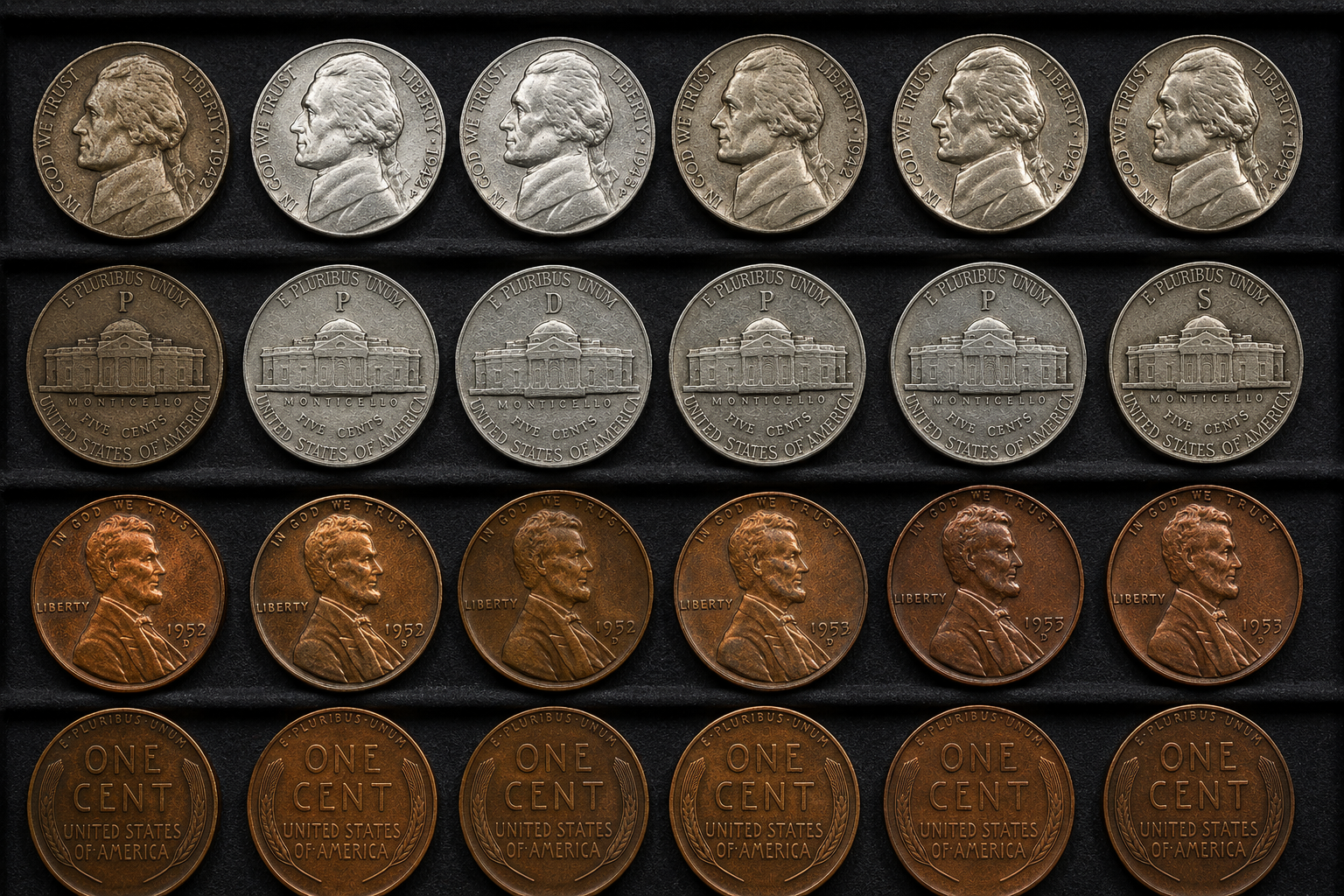
Many collectors begin by comparing two coins, and that is an excellent starting point. However, experienced collectors frequently compare three, four, or even larger groups of similar coins because patterns become easier to recognize when several examples are available.
Imagine looking at five Lincoln cents from roughly the same period. One coin may display noticeably stronger luster. Another may have the sharpest strike. A third may show unusually attractive color. A fourth may reveal more circulation wear. A fifth may contain distracting marks that immediately draw the eye.
When several coins are viewed together, the collector is no longer deciding whether a coin is simply good or bad. Instead, the collector begins ranking characteristics. Which coin has the strongest detail? Which coin has the most original surface? Which coin appears least disturbed by handling? Which coin has the best eye appeal?
This approach creates a much deeper understanding of what condition actually means. Coin evaluation becomes a study of relative strengths and weaknesses rather than broad impressions.
Over time, this practice builds visual memory. The collector starts recognizing patterns more quickly because the eye has seen numerous examples side by side. The differences become familiar.
What Comparison Can and Cannot Do
Comparison is extremely valuable, but it is important to understand its limits.
It cannot automatically identify every problem coin. It cannot guarantee an accurate grade. It cannot replace knowledge of a particular series, minting process, or historical production characteristics.
What comparison can do is reveal differences that deserve attention.
It can show that one coin has weaker detail than another. It can reveal that one surface reflects light differently. It can highlight unusual color, suspicious smoothness, or unexpectedly strong preservation. These observations often become the starting point for deeper analysis.
Experienced collectors combine comparison with knowledge. They understand how specific coin series were produced. They know where weak strikes commonly occur. They know how original surfaces should behave under light. Comparison helps them see clues more clearly, but interpretation still requires experience and study.
A Simple Exercise That Trains Your Eye
If you want to experience the value of comparison firsthand, try a simple experiment using coins you already own.
Select three similar coins from your collection. They do not need to be rare or valuable. Place them on a flat surface beneath a single light source. Avoid moving the light during the exercise.
Start by examining the portraits. Which coin has the strongest detail? Which one appears softer? Then look at the lettering. Do any letters seem weaker? Next, observe the fields. Which coin reflects light more evenly?
After that, slowly rotate the coins while watching how light moves across their surfaces. Notice whether one coin shows stronger cartwheel luster. Notice whether another appears dull or interrupted.
Most collectors discover differences within minutes that they never noticed before. The details were always present. Comparison simply made them easier to see.
This exercise mirrors the same process used by experienced collectors. The only difference is that experts have repeated the exercise thousands of times across many different coin types.
Why This Skill Gets Better With Practice
The first time you compare coins side by side, the differences may seem subtle. You might notice obvious variations but miss smaller clues. That is completely normal.
Visual skill develops through repetition.
Every comparison adds information to your mental library. Gradually, you begin recognizing what strong detail looks like, what healthy luster looks like, what natural surfaces look like, and what genuine wear looks like.
This process is similar to learning a language. At first, individual details seem difficult to interpret. Over time, patterns become familiar. Eventually, the eye recognizes them almost automatically.
Many people assume experts possess extraordinary vision. In reality, most experts have simply spent years comparing coins. They have built a large collection of visual references in their memory.
That visual memory allows them to identify unusual characteristics quickly because they already know what typical examples should look like.
| Observation Area | Looking at One Coin Alone | Comparing Coins Side by Side |
|---|---|---|
| Wear Detection | Can be difficult | Differences become obvious |
| Strike Quality | Easy to misjudge | Reference point available |
| Luster Strength | Often subjective | Much easier to compare |
| Surface Marks | May be overlooked | Stand out more clearly |
| Color Evaluation | Limited context | Immediate contrast visible |
| Overall Confidence | Lower | Significantly higher |
Reality Check
Many grading mistakes happen because collectors evaluate a coin in isolation. A coin may appear sharp, original, or highly preserved until another example provides context. Comparison does not guarantee perfect conclusions, but it dramatically improves the quality of observation.
“Experts are not necessarily seeing more than everyone else. Often they are simply comparing more than everyone else.”
Final Verdict
Comparing coins side by side is one of the most effective habits a collector can develop. It transforms observation from guesswork into evidence-based analysis. By viewing similar coins together, collectors can recognize wear, strike differences, luster variations, surface disturbances, and preservation levels far more accurately than when examining a single coin alone. The technique requires no expensive equipment, no advanced certification, and no special tools. It simply requires a willingness to compare. Over time, that habit becomes one of the foundations of expert coin reading.
Frequently Asked Questions
Why do experts compare coins side by side?
Experts compare coins because differences in wear, strike quality, luster, and surface preservation become easier to recognize when similar examples are viewed together.
Can beginners use this technique effectively?
Yes. Side-by-side comparison is one of the easiest and fastest ways for beginners to improve their observation skills and learn how coin condition varies from one example to another.
Do the coins need to be identical?
Ideally, the coins should be the same type and date because this provides the most accurate reference. However, comparing similar coins from nearby years can still be useful for learning how condition and preservation affect appearance.