Why Experts Look for Missing Detail Instead of Damage
Estimated Reading Time: 16 minutes
Ask a new collector what they notice first on a coin, and the answer is usually immediate: a scratch, a dent, a dark spot, or a small mark across the surface. Those flaws naturally attract attention because they stand out against the rest of the design. Experienced collectors, however, often do something completely different. Before worrying about obvious marks, they ask a much more revealing question: What part of the original design is no longer there?
That single change in perspective transforms the way a coin is evaluated. Missing hair detail on Lincoln’s portrait, flattened feathers on an eagle, softened lettering, or faded texture on the highest parts of the design often reveal far more about a coin’s history than a handful of visible scratches. In many cases, a coin covered with small contact marks may actually be in better condition than one with smooth, worn design elements.
This is why experienced collectors learn to read what has disappeared before judging what has been added. Missing detail often tells the story of circulation, preservation, and originality, while surface damage only tells part of that story. Once you understand the difference, you begin looking at coins the same way experts do.
What This Article Explains
- What collectors mean by “missing detail.”
- Why missing design often matters more than visible damage.
- How experts separate wear from scratches and dents.
- Why original design detail is one of the strongest grading clues.
- How missing detail helps reveal a coin’s true preservation.
- How beginners can train themselves to notice disappearing design elements.
Table of Contents
What Does Missing Detail Really Mean?
Missing detail does not mean that part of the coin has physically broken away. Instead, it describes areas where the original design has gradually lost sharpness, texture, or depth. These subtle changes often occur on the highest parts of the design because they receive the greatest amount of contact during circulation.
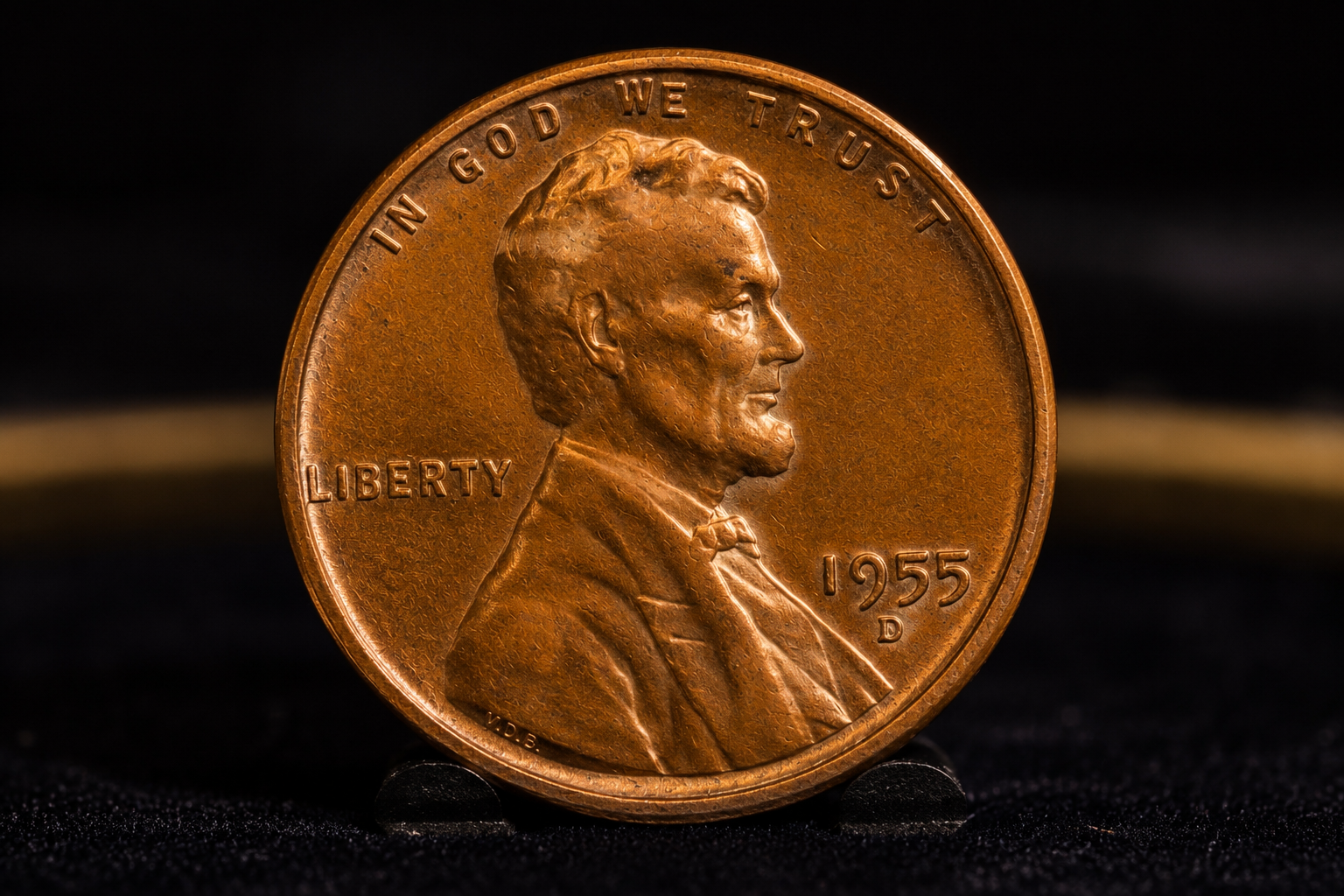
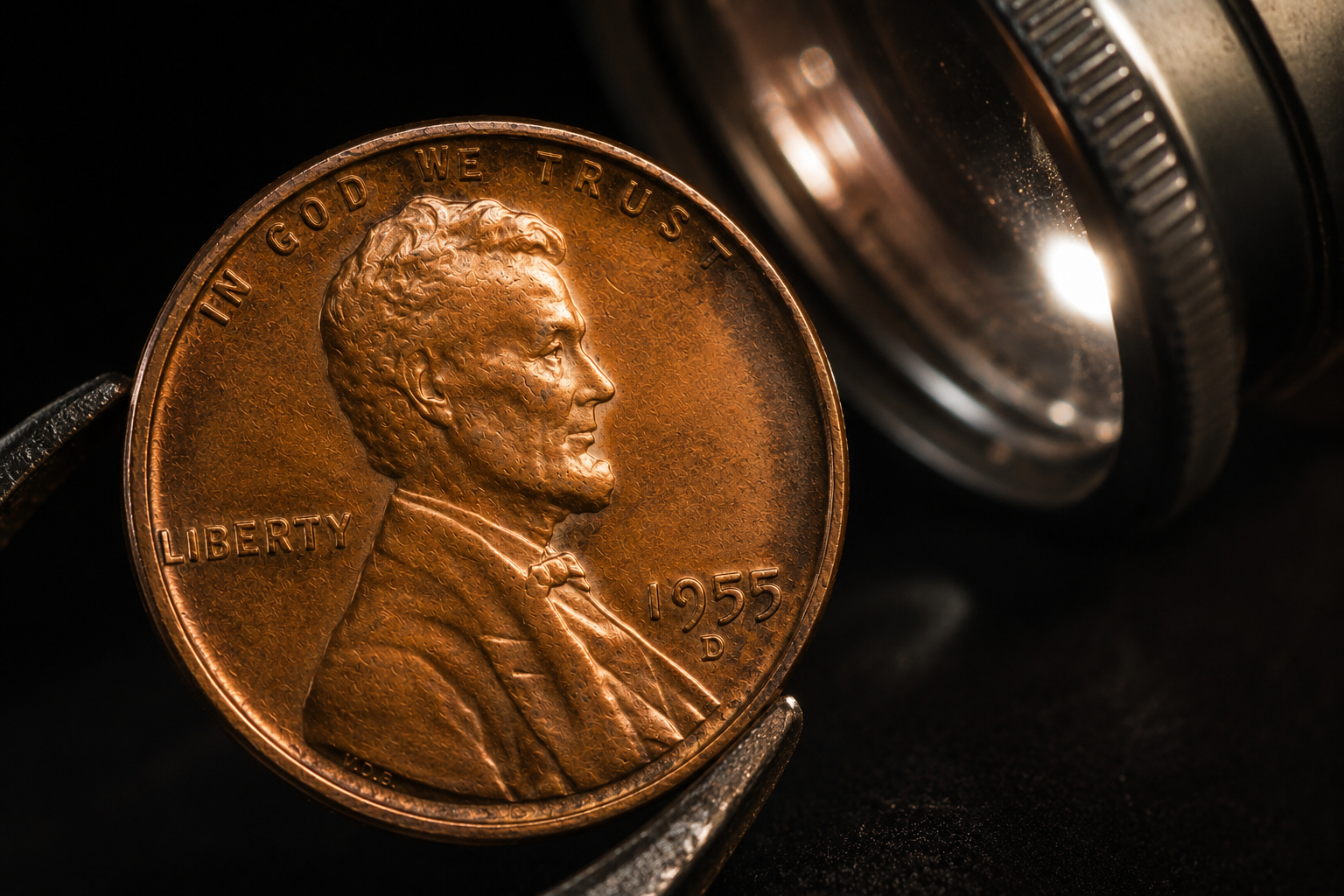
On a Lincoln cent, for example, experienced collectors immediately notice Lincoln’s hair above the ear, the cheekbone, the jawline, and portions of the coat. These areas were originally engraved with fine detail. As the coin circulates, those details slowly become softer until some of them almost disappear.
Unlike scratches or dents, this type of change is usually gradual rather than sudden. It reflects how the coin has lived rather than a single accident. That is why experienced collectors often consider missing design detail a more valuable clue than isolated surface marks.
This approach closely follows the evaluation process explained in how experts form a rapid first impression. Before focusing on individual marks, collectors first ask whether the design itself still looks complete.
Why Damage Isn’t Always the Biggest Problem
Many beginners instinctively believe that the largest scratch automatically determines a coin’s condition. While severe damage certainly affects value, ordinary contact marks rarely tell the whole story.
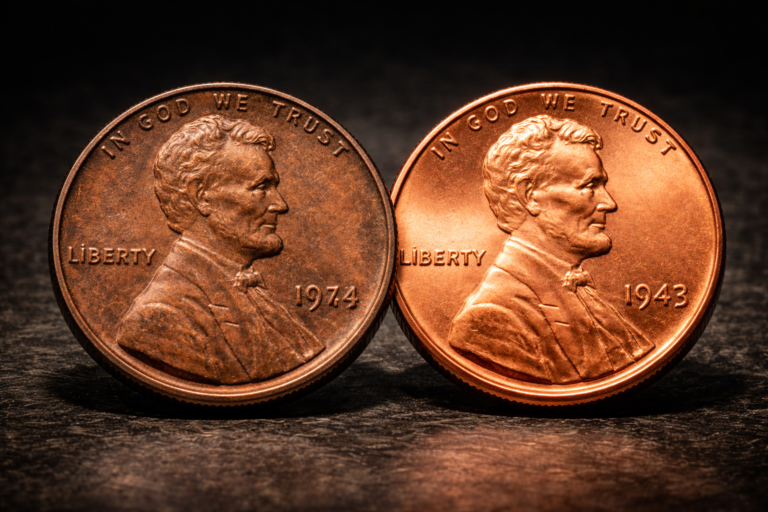
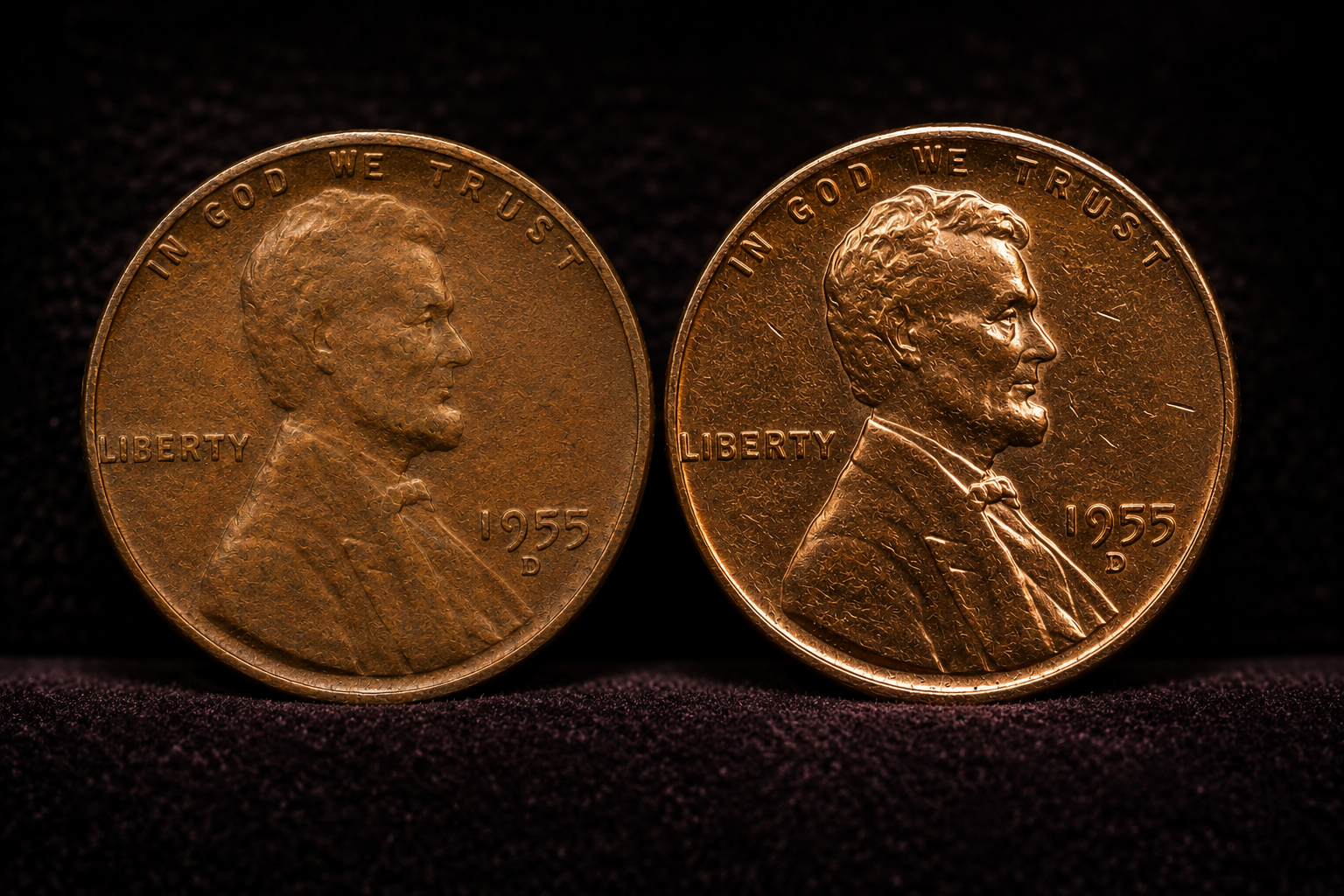
Imagine two Lincoln cents placed side by side.
The first coin has several noticeable bag marks across the fields but still retains crisp hair detail, strong cheek contours, and lively original luster.
The second coin has almost no distracting scratches at all, yet Lincoln’s hair has become smooth, the cheek has flattened, and the highest parts of the design have lost much of their original texture.
Which coin is actually better preserved?
Many beginners choose the cleaner-looking example.
Experienced collectors often choose the first one.
The reason is simple. Contact marks may occur during storage, transportation, or mint handling without removing significant design detail. Missing design, however, often represents actual wear that permanently changes the coin’s original appearance.
This is one reason why equally graded coins may look completely different. Surface marks and missing detail influence eye appeal in different ways.
The Design Tells the Story First
Every coin leaves the mint with a complete design. Every strand of hair, feather, leaf, and letter has a specific shape created by the dies. As long as those features remain intact, much of the coin’s original character survives.
When those details begin disappearing, the coin starts telling a different story.
The smoothness may indicate honest circulation. It may reveal decades of handling. It may suggest friction in albums, pockets, or cash registers. Sometimes it may even point toward weak striking rather than actual wear.
The important point is that the missing detail deserves investigation before conclusions are made.
This philosophy also connects naturally with telling the difference between wear and original design. Experts never assume that every soft area is damage. They first determine whether the missing detail belongs to the design itself, resulted from circulation, or reflects the way the coin was originally struck.
Missing Detail, Wear, Weak Strike, and Damage
One of the reasons coin grading takes years to master is that several different conditions can produce similar visual results.
A weak strike may leave hair detail shallow even though the coin has never circulated.
Natural wear gradually removes fine design elements while leaving the surrounding surfaces consistent.
Damage may cut across the design entirely, creating scratches, dents, gouges, or deformation that were never part of the minting process.
Because these conditions can overlap, experienced collectors avoid making quick assumptions. Instead, they compare multiple clues at the same time.
They examine whether the surrounding luster remains intact.
They study the texture around the softened area.
They observe whether the change follows the highest points of the design or crosses them unnaturally.
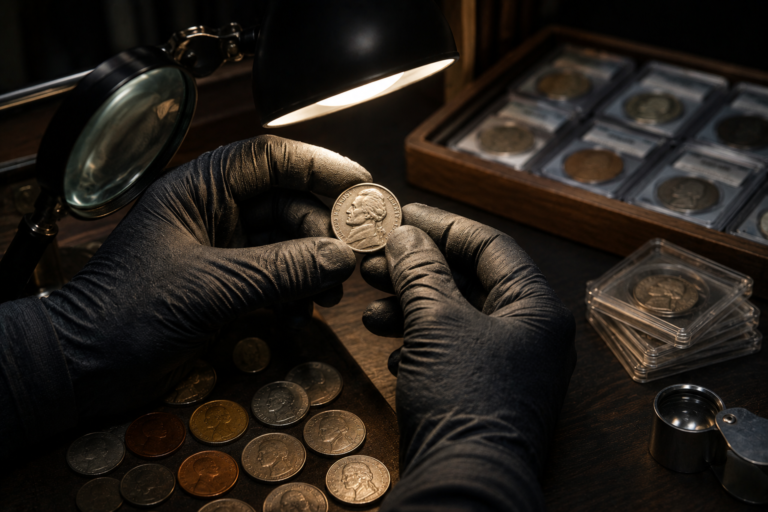
They rotate the coin beneath directional light because moving reflections often reveal whether detail has been worn away or whether the strike was simply incomplete.
This method builds upon the techniques explained in why high points reveal preservation first and how tiny surface changes tell a coin’s story. No single clue is trusted by itself.
Lincoln Cent Example
A Lincoln Wheat cent provides an excellent demonstration because the portrait contains many small design elements that respond differently to wear.
The hair above Lincoln’s ear consists of numerous fine strands. When these begin merging into smooth patches, experienced collectors immediately recognize that important detail has been lost.
The cheek is another critical location. Fresh coins usually show rounded contours and natural texture. As circulation increases, the highest portion of the cheek becomes flatter, reflecting light differently than the surrounding surface.
The beard, jawline, and coat also contribute valuable information. Rather than counting scratches, experienced collectors compare how much of the original sculpted design still survives.
The result is a much more complete understanding of the coin’s preservation than surface marks alone could provide.
How Experts Read These Clues Together
Experienced collectors rarely rely on a single observation. Missing detail becomes meaningful only when it is considered alongside every other visible characteristic of the coin.
Suppose the highest parts of Lincoln’s portrait appear soft. That alone does not automatically mean the coin is heavily worn. The collector immediately asks additional questions.
- Does original luster still flow across the surface?
- Are the fields consistent with the portrait?
- Do the letters remain sharp?
- Is the softness limited to the highest points?
- Could this date or mint be known for a weak strike?
Each answer adds another piece to the puzzle.
Rather than searching for a single clue, experts combine multiple observations until every part of the coin tells the same story. When the clues agree with one another, confidence in the evaluation becomes much higher.
Why Missing Detail Is Often More Honest Than Surface Damage
Surface damage can happen in an instant.
A coin may be dropped onto concrete, scraped against another object, or accidentally scratched while being cleaned or stored. Those marks certainly matter, but they usually describe one isolated event.
Missing design detail tells a much longer story.
It reflects thousands of small moments rather than one accident. Every purchase, every pocket, every cash register drawer, and every exchange slowly changes the highest parts of the design. That gradual loss becomes a visual record of the coin’s circulation history.
Because of this, experienced collectors often trust missing detail more than obvious marks when trying to understand how a coin has actually been preserved.
A scratch tells you something happened.
Missing detail tells you what happened over many years.
Common Beginner Mistakes
Nearly every collector makes the same mistakes during the early stages of learning.
The first mistake is becoming distracted by the largest scratch on the coin. Large marks naturally attract the eye, but they may have very little to do with the coin’s overall state of preservation.
The second mistake is ignoring the highest parts of the design. Beginners often spend more time studying the empty fields than examining the portrait itself, even though the portrait usually provides far more grading information.
Another common mistake is assuming every soft area represents wear. Many U.S. coins were struck with varying levels of pressure, and certain dates are well known for weakly struck details. Without considering strike quality, it is easy to mistake an original characteristic for circulation wear.
Finally, many beginners judge one feature in isolation instead of viewing the coin as a complete object. Professional evaluation always considers luster, strike, eye appeal, surfaces, color, and missing design detail together.
Training Your Eye to See What Is Missing
This skill develops surprisingly quickly once you begin looking for the right clues.
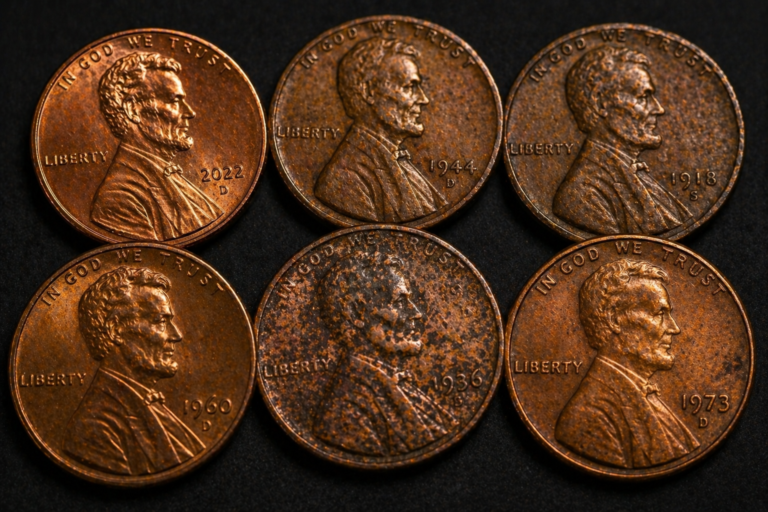
Choose several Lincoln cents from different years and arrange them under the same light source.
Instead of searching for scratches, compare the portrait itself.
Study the hair above the ear.
Compare the cheek.
Look carefully at the beard.
Notice how the jawline changes from one coin to another.
As you compare more examples, your attention naturally shifts away from isolated marks and toward the overall preservation of the design.
This is exactly how experienced collectors build visual memory. They repeatedly compare coins until missing detail becomes immediately recognizable.
With enough practice, your eye begins to notice disappearing design before your brain even registers the scratches.
| Observation | Typical Beginner Focus | Experienced Collector Focus |
|---|---|---|
| Large Scratch | Main concern | Evaluated within the overall condition |
| Hair Detail | Often overlooked | Primary indicator of preservation |
| Cheek and Jaw | Seen as part of the portrait | Checked for texture and wear |
| Luster | Sometimes ignored | Used to confirm originality |
| High Points | Examined later | Usually examined first |
| Overall Design | Secondary observation | Foundation of the entire evaluation |
Reality Check
Experienced collectors are not ignoring damage. They simply understand that missing design detail often reveals more about a coin’s preservation than obvious scratches alone. Damage matters, but it is only one chapter in the coin’s story. The remaining design tells the rest.
“Experts don’t begin by asking what’s wrong with a coin. They begin by asking what the coin has quietly lost over time.”
Final Verdict
One of the biggest differences between beginners and experienced collectors is where they direct their attention. Beginners often focus on what has been added to a coin—scratches, dents, discoloration, or other visible marks. Experts first study what has disappeared. Missing hair detail, softened high points, fading texture, and changes in the original design reveal how a coin has aged, how it circulated, and how much of its original character still survives. Once you begin reading those disappearing details before counting surface marks, you start evaluating coins the same way experienced numismatists do.
Frequently Asked Questions
Why do experts pay attention to missing detail before scratches?
Because missing design detail usually provides stronger evidence of a coin’s preservation and circulation history than isolated surface marks.
Does missing detail always mean the coin is worn?
No. Some coins were struck with weak detail from the beginning. Experienced collectors compare missing detail with luster, surface texture, and strike quality before deciding whether wear is actually present.
Can a scratched coin still be well preserved?
Yes. A coin may have a few contact marks while still retaining excellent original design detail, strong luster, and minimal wear. That is why scratches alone never tell the whole story.