What the Edge of a Coin Can Reveal
Estimated reading time: 19 minutes.
Most people look at a coin from the front, then turn it over to check the back, and after that they feel as if they have seen everything important, but this habit quietly ignores one of the most revealing parts of the coin.
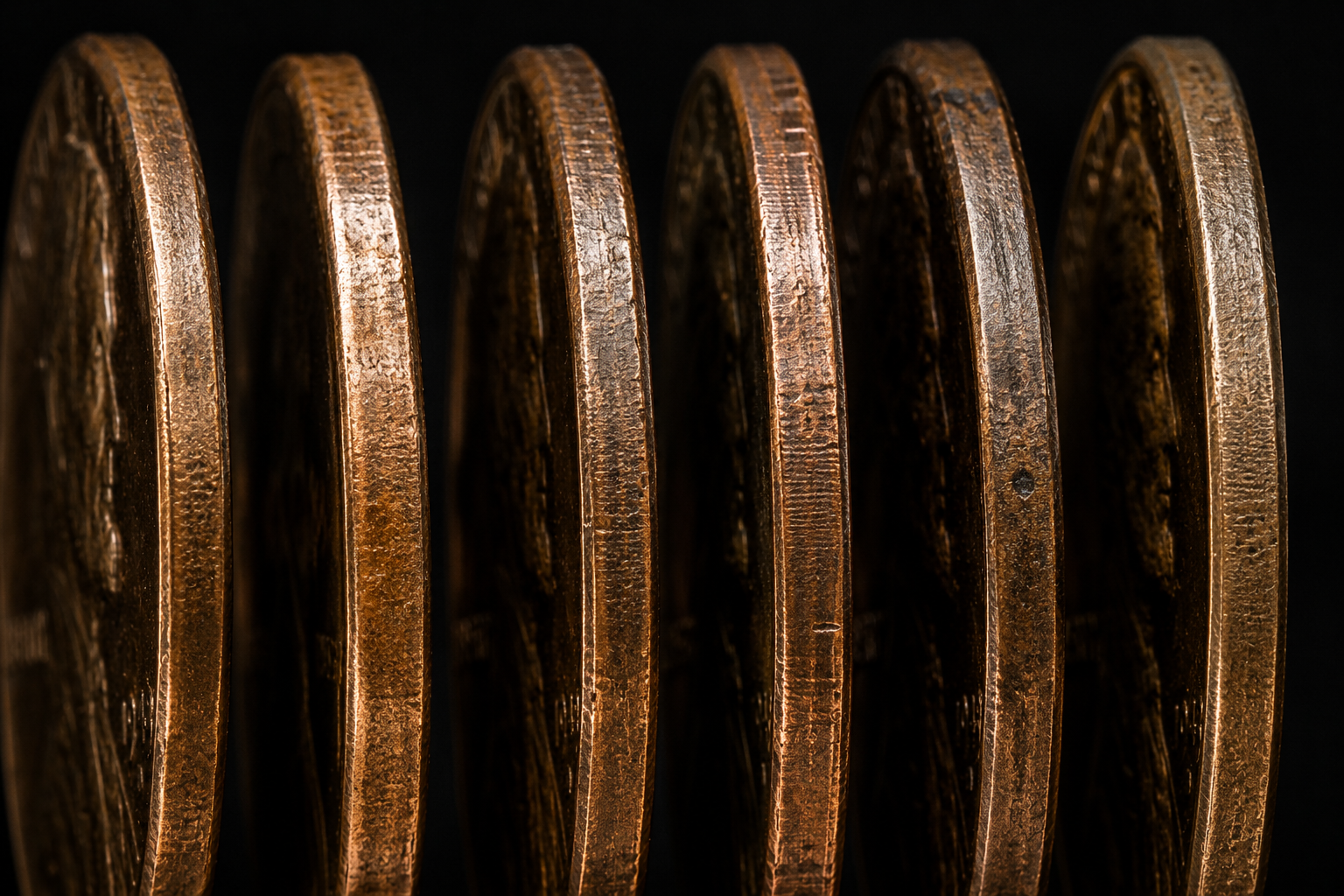
The edge of a coin may look like a simple border, yet it can reveal structure, wear, pressure, handling, material behavior, and the long physical journey that the coin has experienced through circulation.
Once you learn to read the edge properly, the coin stops feeling like a flat image and begins to feel like a complete object with depth, contact history, and evidence preserved along its side.
What this article explains
This article explains what the edge of a coin can reveal, how rim wear forms, why edge texture matters, how experts use light and comparison to read the side of a coin, and why the edge should never be ignored during careful observation.
- Why the edge is more than a border
- How the edge completes the coin
- What rim strength can tell you
- How wear appears along the edge
- Why the edge reacts differently from the surface
- How light reveals edge structure
- Why rotation makes edge details clearer
- How comparison helps you read edges
- What edge marks can and cannot prove
- Table of edge characteristics
- Reality Check
- Final Verdict
- FAQ
Why the edge is more than a border
The edge of a coin is often treated as if it is only the space between the front and the back, but that view misses the most important point, because the edge is part of the coin’s physical structure and carries evidence that the main faces do not always show clearly.
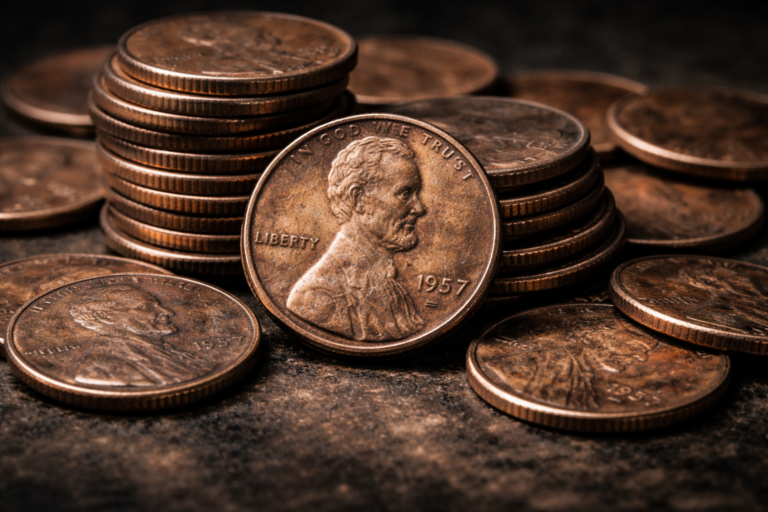
When a coin moves through circulation, it does not only receive contact on the portrait, the date, or the main design. It also receives pressure along the rim and edge from other coins, pockets, counters, storage containers, and years of ordinary handling.
That means the edge becomes a record of contact. It may show softening, flattening, small marks, pressure points, or changes in texture that help explain how the coin has been used over time.
This is why reading a coin properly requires looking beyond the obvious design. A careful observer does not stop at the face of the coin. They continue around the coin, checking the rim, side, surface texture, and overall structure.
This connects naturally with how to read a coin step by step, because a complete reading always treats the coin as a physical object rather than a flat image.
How the edge completes the coin
A coin has three visible zones that work together. The front carries the main portrait or design. The back carries another design or symbolic image. The edge connects both sides and shows how the coin exists as a small object with thickness and structure.
Ignoring the edge is like reading only part of a page. You may understand the main idea, but you will miss the smaller evidence that gives the full picture more depth.
The edge helps you understand how the coin has survived physically. It may show whether the rim remains sharp, whether the border has softened, whether pressure has flattened certain areas, or whether the edge looks consistent with the wear visible on the surface.
This matters because experts rarely judge one feature alone. They look for agreement between the surface, the rim, the edge, and the design. If everything tells the same story, the coin becomes easier to interpret.
For example, a coin with a heavily worn surface and a soft edge is usually telling a simple story of long circulation. But a coin with a sharp surface and oddly damaged edge may require closer observation, because the edge may have experienced separate pressure or impact.
The edge does not answer every question by itself, but it often gives the missing context.
What rim strength can tell you
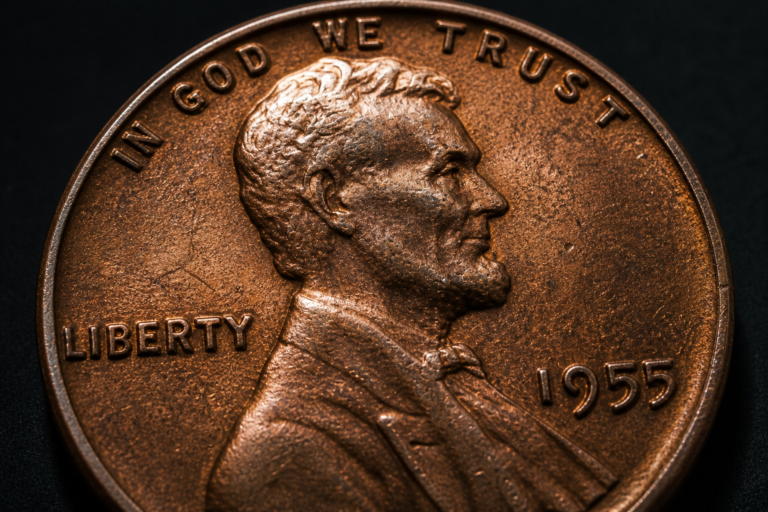
The rim is one of the most useful areas to examine because it sits near the edge and often protects the design from direct contact. When a rim remains strong and defined, it can suggest that the coin has preserved more of its original structure.
When the rim becomes soft, flattened, or uneven, it often suggests that the coin has experienced extended handling and circulation. This does not automatically mean anything unusual, but it gives useful context about the coin’s physical life.
Rim strength also helps you understand the relationship between original design and later wear. A strong rim may preserve the visual boundary of the coin, while a weak rim can make the entire coin look more tired or softened.
This is especially important when trying to understand whether a feature belongs to the original design or whether it changed later through use. That same idea appears in how to tell the difference between wear and design, where the key skill is learning to separate original structure from later change.
A coin’s rim is not just decoration. It is part of the coin’s protection system, and when it changes, it tells you that the coin has been physically affected by time.
How wear appears along the edge
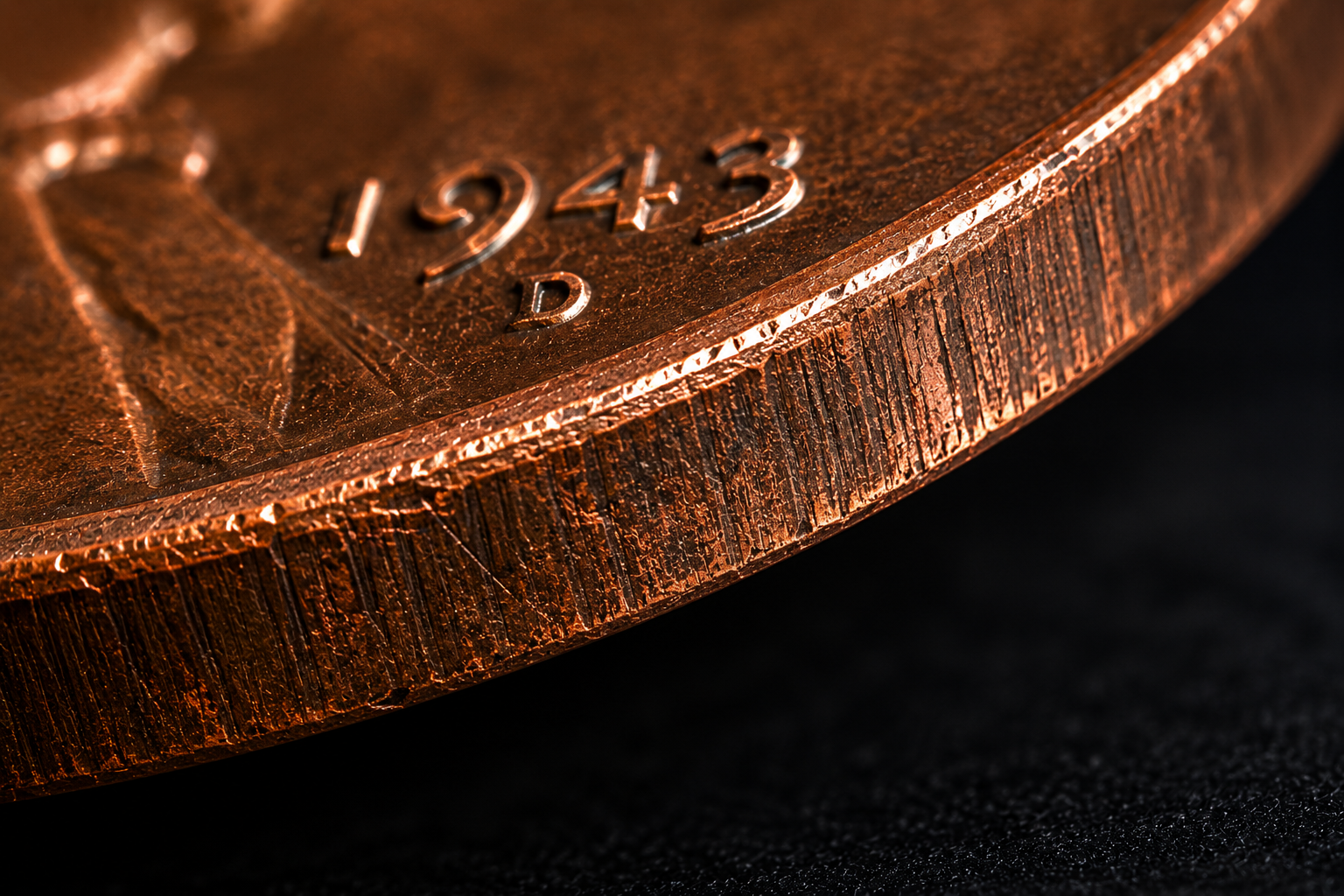
Wear along the edge does not always look the same as wear on the main surface. On the face of a coin, wear usually appears on the highest raised areas first, such as portrait details, lettering, and design edges. Along the side, wear may appear as softening, flattening, smoothing, or small irregular areas caused by contact.
This difference matters because a coin may show one pattern on the front and another pattern along the edge. The surface may still hold visible detail while the edge has become softened through repeated contact, or the edge may remain fairly defined while the surface shows heavy wear from handling.
This is why experts do not rely on one view. They check the whole coin because wear is a process, not a single visual effect.
A softened edge may tell you that the coin has spent a long time in circulation. A flattened section may suggest repeated pressure. A rough or uneven area may reflect impact or contact with harder surfaces. But each of these signs must be interpreted carefully.
The goal is not to exaggerate the meaning of every mark. The goal is to understand whether the edge fits the overall condition of the coin.
Why the edge reacts differently from the surface
The front and back of a coin are broad surfaces. They receive contact differently from the narrow side of the coin. This means the edge often reacts to use in a separate way, and that separate reaction can reveal information that the faces do not show clearly.
When coins are stacked, stored, dropped, rolled, or moved together, the edge can receive pressure from directions that do not affect the main design in the same way.
That is why the edge may show small marks or changes that seem disconnected from the surface at first. In reality, they may simply reflect a different type of contact.
This is also why the edge is useful when trying to understand the coin as an object. The front tells one part of the story. The back tells another part. The edge tells the story of contact, pressure, and movement.
This connects with the first thing experts look at on any coin, because surface condition is only the beginning. Once the surface is understood, the edge helps complete the interpretation.
How light reveals edge structure
The edge is difficult to read under flat light because it is narrow and often does not create enough contrast for the eye to understand its texture clearly.
This is where angled light becomes important. When light strikes the edge from the side, small changes in height, rim definition, and surface texture become easier to see. Shadows begin to form along softened areas, raised sections, and tiny uneven points.
A detail that looks invisible under direct light may become clear once the coin is tilted slightly. This is why experts often change both the light angle and the coin angle during inspection.
Light is not just making the coin brighter. It is revealing structure.
This method connects directly with how experts use light to see hidden coin details, where lighting is treated as a tool for understanding depth, surface flow, and hidden texture.
With the edge, this becomes even more important because the smallest changes can disappear completely if the light is too flat.
Why rotation makes edge details clearer
Rotation gives the edge a voice. When the coin stays still, the observer sees only one relationship between light and surface. But when the coin rotates, the edge begins to show changing shadows, shifting reflections, and small transitions that were not visible from a fixed position.
This movement helps reveal whether the edge is smooth, sharp, softened, uneven, or textured. It also helps the observer understand whether a mark is isolated or part of a larger wear pattern.
A single fixed view may make the edge look ordinary. A slow rotation may reveal that one part of the rim is stronger than another, or that certain edge areas catch light differently because they have been flattened or worn.
This is exactly why why experts rotate coins under light is such an important part of the same cluster. The coin does not change during rotation, but the information available to the eye changes constantly.
For edge reading, that changing information is extremely useful.
How comparison helps you read edges
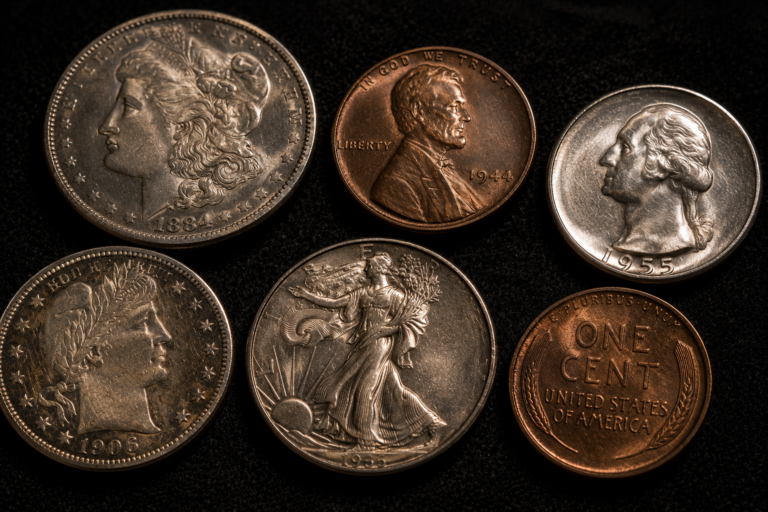
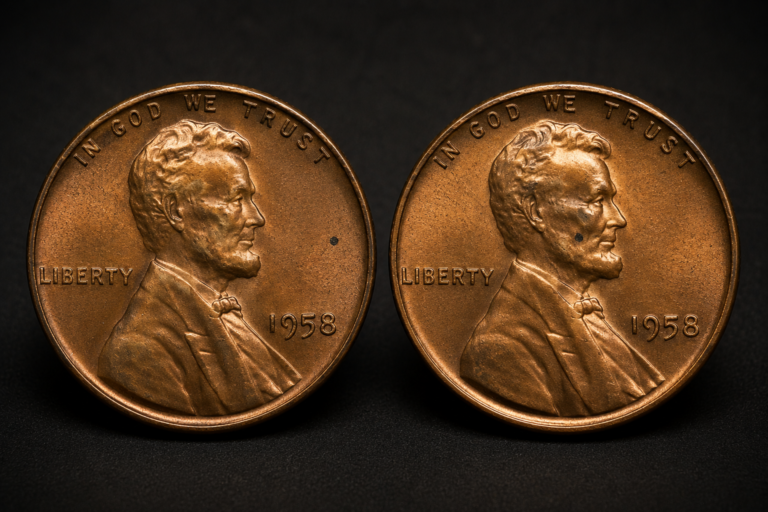
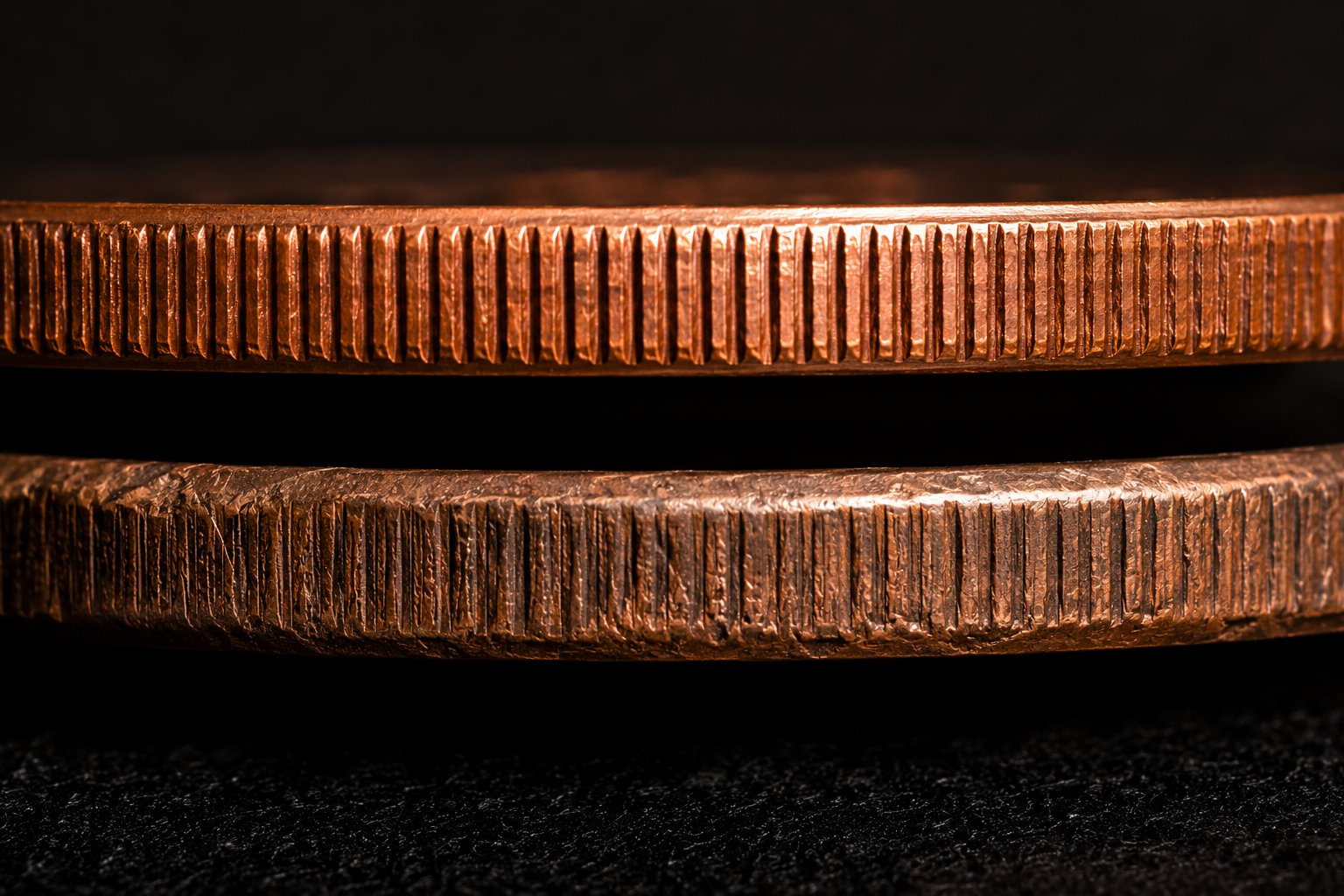
One coin can teach you something, but two coins can teach you much more. When you compare edges side by side, differences that seemed too subtle on one coin become easier to recognize.
A sharp edge looks sharper when placed beside a softened one. A worn rim looks more obvious when compared with a stronger rim. A flattened section becomes easier to understand when another coin shows what the edge may have looked like before heavy circulation.
This is why comparison is one of the most powerful habits in coin observation. It gives the eye a reference point.
Without comparison, beginners often overinterpret normal features or miss important details. With comparison, the difference between ordinary wear and stronger preservation becomes much clearer.
What edge marks can and cannot prove
Edge marks can provide clues, but they should never be treated as final proof by themselves. A small mark on the edge may come from impact, contact, handling, or ordinary movement through circulation.
This is where patience matters. A beginner may see an uneven edge and immediately assume something unusual has happened, but an experienced observer first asks whether the mark fits the rest of the coin.
If the surface is worn, the rim is soft, and the edge is also softened, the most likely explanation is normal circulation. If the edge shows one isolated area that looks different from the rest of the coin, it may deserve closer attention, but it still needs careful comparison.
This approach helps avoid the mistake of turning every visual difference into a dramatic conclusion.
Many misunderstandings begin when people look at one detail without context. That problem is explained clearly in why most people misunderstand coin details completely, and the same idea applies strongly to edge observation.
How the edge completes the full coin picture
A coin should be read as a complete object. The front shows the portrait, date, lettering, and main symbols. The back shows another part of the design story. The surface reveals wear, texture, and handling. The edge adds structure, pressure, rim preservation, and contact history.
When all these parts are studied together, the coin becomes easier to understand.
The edge is not more important than the face, but it is often more overlooked. That is what makes it valuable. It provides another layer of evidence, especially when the surface alone does not explain everything.
A careful observer learns to move around the coin, not just across it.
They look at the face, then the reverse, then the rim, then the edge, then the surface under light, and then they compare the whole object with another example.
That is the difference between looking at a coin and reading one.
Table of edge characteristics
| Edge Feature | What It May Indicate | Why It Matters |
|---|---|---|
| Sharp rim | Less circulation | Suggests stronger preserved structure |
| Soft rim | Extended wear | Shows surface aging and handling |
| Uneven edge | Impact or pressure | May reveal physical contact history |
| Strong definition | Original detail retained | Makes interpretation easier |
| Flattened sections | Long-term circulation | Shows wear progression |
| Texture variation | Different contact points | Helps explain how the coin moved through use |
Reality Check
The edge of a coin can reveal useful information, but it should never be judged alone. It works best when compared with the surface, rim, design, lighting behavior, and overall condition of the coin.
“The edge is not just the side of a coin. It is part of the coin’s history.”
Final Verdict
The edge of a coin can reveal far more than most people expect, from rim preservation and wear patterns to pressure marks and structural clues that are difficult to see from the front or back alone.
By learning to examine the edge carefully, you begin to understand the coin as a complete physical object rather than a flat design. This shift makes observation more accurate, more patient, and more meaningful.
A coin’s story is not only written on its faces. Sometimes, it is quietly preserved along the edge.
FAQ
Why is the edge of a coin important
The edge can reveal wear, handling, rim condition, pressure marks, and structural clues that may not be obvious from the front or back.
Can the edge show how much a coin circulated
Yes. A softened or flattened edge can suggest extended circulation, especially when it matches wear on the rest of the coin.
Should the edge be checked alone
No. The edge should be examined together with the surface, design, rim, lighting behavior, and overall condition for a more accurate understanding.