How Tiny Surface Changes Reveal a Coin’s History
Estimated reading time: 19 minutes.
When most people look at a coin, they focus on the obvious details. They notice the date, the portrait, the lettering, and perhaps the overall color. What they rarely notice are the tiny changes scattered across the surface, even though those small marks often contain the most interesting part of the coin’s story.
A coin spends its life moving through countless hands, pockets, drawers, cash registers, purses, and containers. Every stage of that journey leaves a trace behind. Some traces are so small that they seem meaningless at first glance, yet together they form a physical record of movement, contact, friction, pressure, and time.
Experts understand that a coin is more than a design struck into metal. It is an object that changes continuously throughout its life. Those changes may be subtle, but they reveal how the coin interacted with the world around it, which is why careful observers pay attention to even the smallest surface details.
What this article explains
This article explains how tiny surface changes reveal a coin’s history, why scratches, texture changes, wear patterns, and subtle surface differences matter, and how experts use those clues to better understand a coin’s journey through time.
- Why tiny surface changes matter
- Every coin carries physical evidence
- How circulation leaves a record
- Why scratches are more informative than they seem
- How texture reveals a hidden history
- Understanding the difference between damage and history
- How experts read surfaces under light
- Why comparison reveals patterns
- Table of common surface clues
- Reality Check
- Final Verdict
- FAQ
Why tiny surface changes matter
Small surface changes are easy to ignore because they rarely attract immediate attention. A person examining a coin for only a few seconds may never notice them at all. Yet experienced observers often begin with those details because they understand that major stories are frequently hidden inside minor changes.
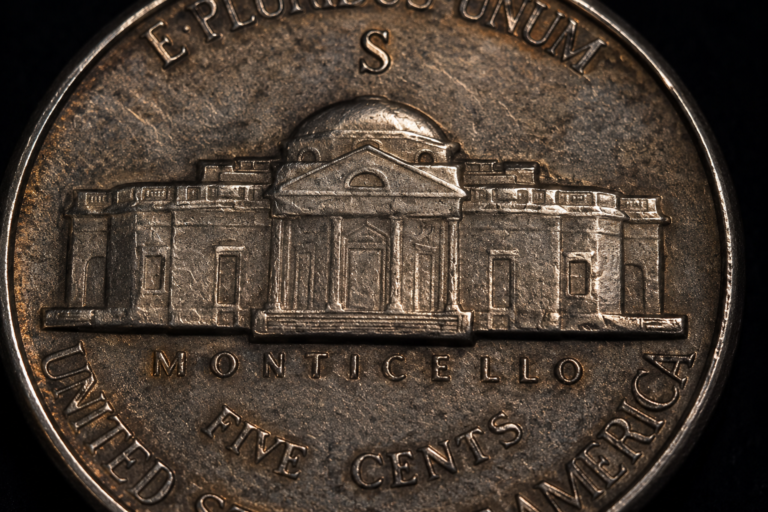
A tiny scratch may indicate repeated contact with other coins. A smooth patch may reveal years of circulation. A slight change in texture may suggest that one area experienced more friction than another. None of these clues tell the entire story by themselves, but together they help create a more complete understanding of the coin’s life.
This is one reason observation requires patience. The most useful information is not always the most obvious information.
The process begins with the same principles discussed in how to read a coin step by step , where careful observation becomes more important than quick judgment.
Every coin carries physical evidence
Unlike a photograph, a coin is a physical object that interacts continuously with its environment. Every exchange, every pocket, every countertop, and every storage location contributes something to the coin’s condition.
Over time, these interactions leave evidence behind. The evidence may appear as tiny marks, softened details, texture differences, or subtle changes in reflectivity. While each clue may seem insignificant alone, together they form a physical record that helps explain how the coin reached its current condition.
This idea changes the way a coin is viewed. Instead of asking only what the coin looks like, experts ask what the coin has experienced.
That shift in perspective transforms observation from identification into interpretation.
The coin stops being a simple object and becomes evidence of movement through time.
How circulation leaves a record
Circulation affects every part of a coin, but it rarely affects every area equally. Some parts receive more contact than others. Some raised details experience constant friction while recessed areas remain protected for much longer periods.
Because of this uneven interaction, circulation creates patterns. These patterns become visible through changes in texture, smoothness, contrast, and detail preservation.
A coin that circulated heavily may show broad areas of wear, softened high points, and smoother transitions between design elements. A coin that experienced less circulation may preserve sharper texture and stronger detail across the surface.
The important point is that circulation leaves a record whether the observer notices it or not.
Experts learn to read that record by examining how different areas of the coin have changed over time.
This approach connects closely with the first thing experts look at on any coin , where surface condition becomes the foundation for deeper analysis.
Why scratches are more informative than they seem
Scratches often receive a negative reputation because people associate them with damage, but scratches can also provide valuable information about a coin’s history. A scratch is evidence that contact occurred. It shows that the coin interacted with another object strongly enough to alter the surface.
Of course, not every scratch tells a dramatic story, and experts avoid exaggerating their meaning. However, patterns of scratching can reveal whether the coin spent years moving among other coins, experienced repeated handling, or encountered particular storage conditions.
The goal is not to treat every mark as extraordinary. The goal is to recognize that every mark has a cause.
When enough clues are examined together, a broader picture begins to emerge.
This mindset helps avoid the misunderstandings discussed in why most people misunderstand coin details completely , where isolated observations often lead to incorrect conclusions.
How texture reveals a hidden history
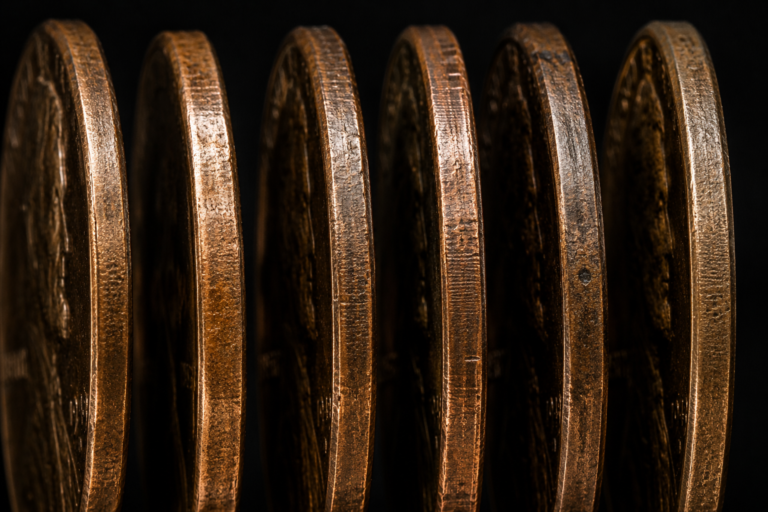
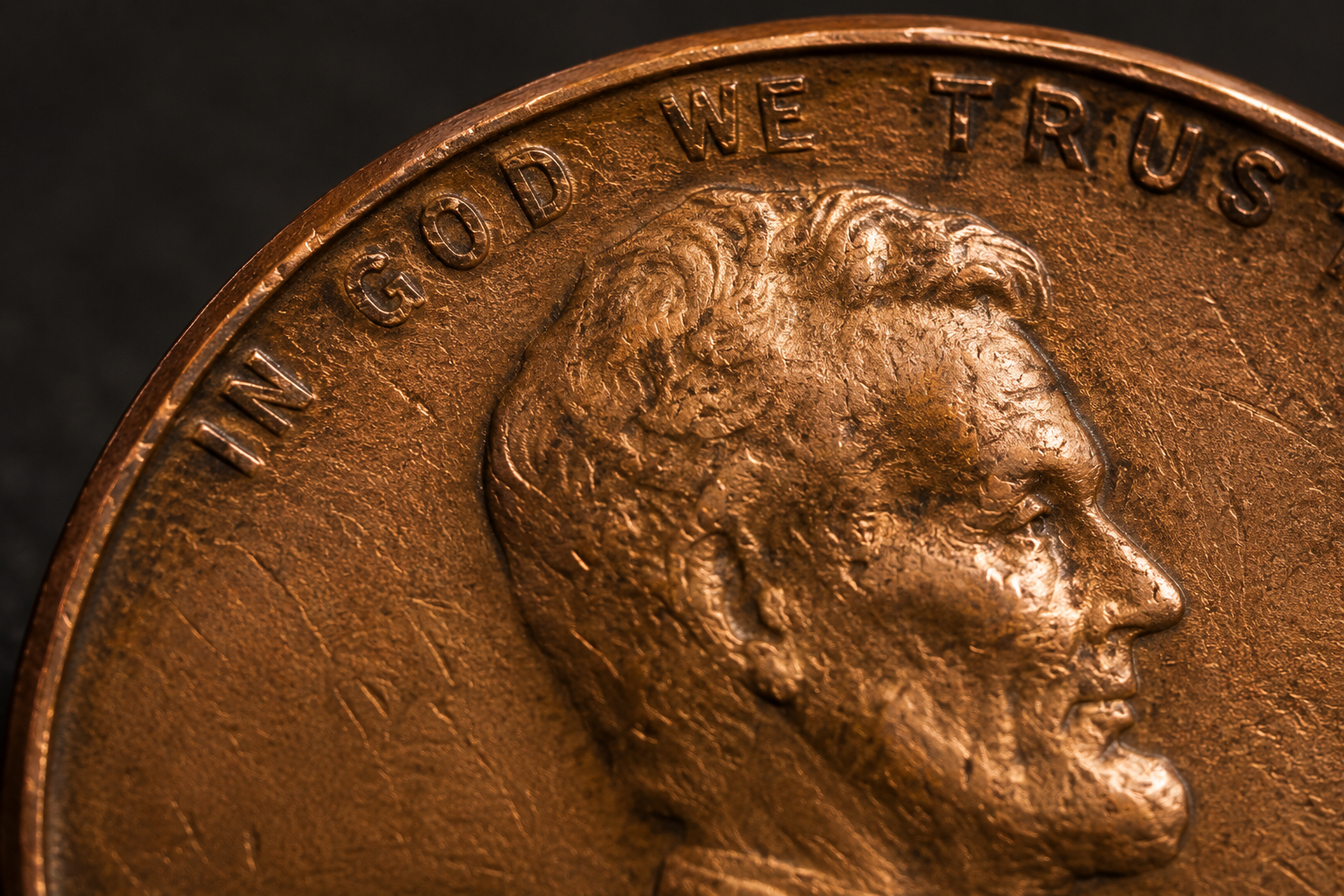
Texture is one of the most powerful yet overlooked forms of evidence found on a coin. Unlike major design elements, texture changes gradually and often without attracting attention. Yet texture records years of interaction in ways that larger details cannot.
A rough area may indicate preserved original structure. A smooth area may suggest repeated contact. A subtle transition between textures may reveal where wear occurred most heavily.
These differences become meaningful because they help explain how the coin moved through circulation.
Texture is not simply a visual characteristic. It is a record of physical experience.
This is why experts frequently change lighting angles while observing surfaces. Different textures respond differently to light, making hidden information easier to recognize.
Understanding the difference between damage and history
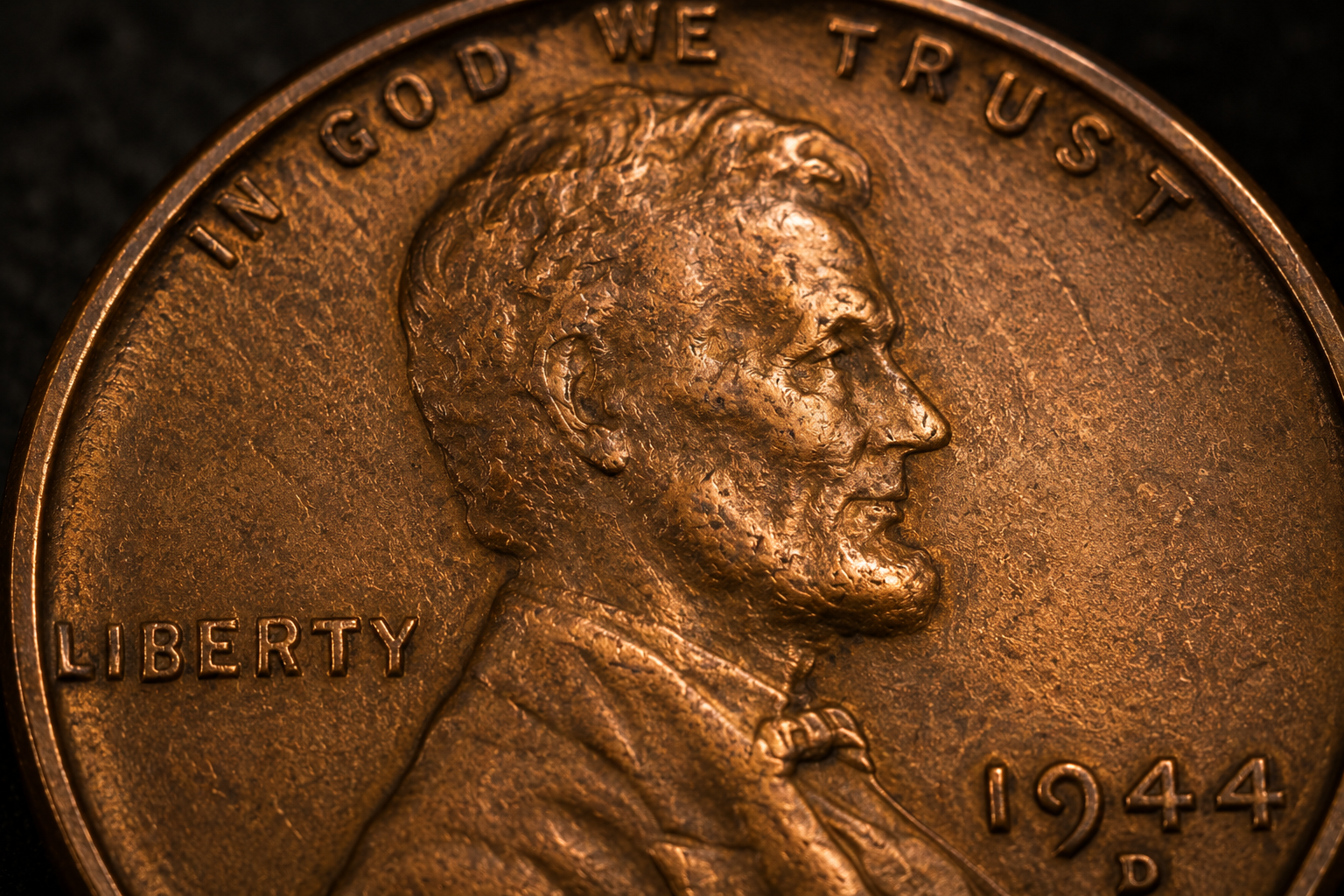
One of the most important skills in coin observation is learning to distinguish between evidence and interpretation. The surface of a coin contains physical evidence, but that evidence does not automatically explain itself. The observer must decide what the marks, textures, and changes actually mean.
This is where many mistakes occur. Some people assume that every unusual mark represents damage. Others assume that every visible change must be important. In reality, most surface features exist somewhere between those extremes.
A tiny scratch might simply reflect ordinary circulation. A smooth patch may be the result of decades of handling. A faint change in texture may reveal nothing more dramatic than repeated contact with neighboring coins.
The key is context. A single mark rarely tells a complete story, but a collection of related clues often does.
Experts avoid focusing on isolated details. Instead, they study how different surface changes relate to one another. If multiple clues point toward the same explanation, confidence in that interpretation becomes stronger.
This method connects directly with how to tell the difference between wear and design , because both skills require careful interpretation rather than quick assumptions.
How experts read surfaces under light
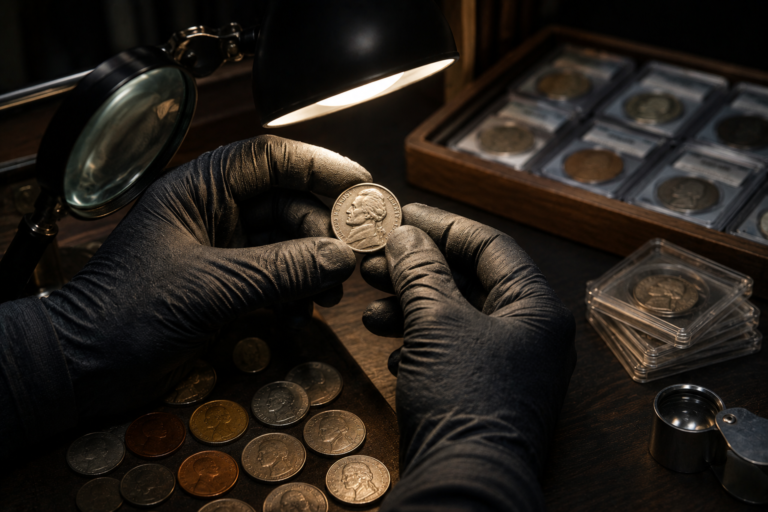
Many important surface details remain invisible until light interacts with them properly. A scratch that appears insignificant under one angle may become obvious under another. A smooth area may suddenly reveal texture. A faint transition between two surface zones may become much easier to understand.
This is why experts rarely examine a coin under fixed lighting conditions. Instead, they change the angle of light, move the coin, and observe how reflections and shadows behave across the surface.
Light reveals structure. Structure reveals history.
A coin with years of circulation often responds differently to light than a coin that remained protected. Smooth areas reflect light differently than textured ones. Preserved details cast shadows differently than worn details.
By observing these changes, experts gain access to information that would otherwise remain hidden.
This approach expands upon the methods discussed in how experts use light to see hidden coin details , where visibility becomes a tool for deeper understanding rather than simple inspection.
Why movement reveals details that stillness hides
A coin observed from a single angle provides only one version of the surface. When the coin moves, however, the observer gains access to multiple versions of the same information.
This matters because many tiny surface changes become visible only when light strikes them differently. A shallow scratch may appear and disappear. A worn area may become easier to distinguish from a preserved one. A subtle texture change may suddenly stand out against the surrounding surface.
Experts use movement deliberately because they understand that observation is not a static activity.
A coin does not reveal everything at once. It reveals information gradually as viewing conditions change.
This is one reason why why experts rotate coins under light has become such an important concept within this observation cluster.
The coin itself remains unchanged. The amount of visible information changes.
Why comparison reveals patterns
Comparison is one of the most powerful tools available to an observer because it helps transform isolated observations into recognizable patterns.
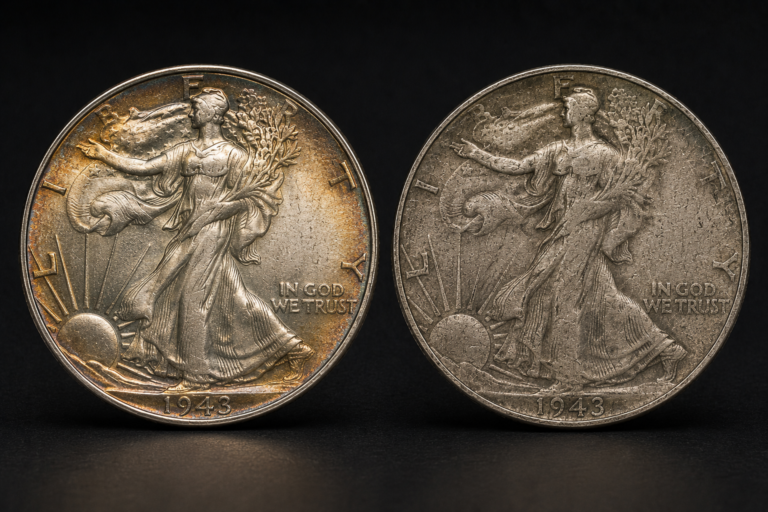
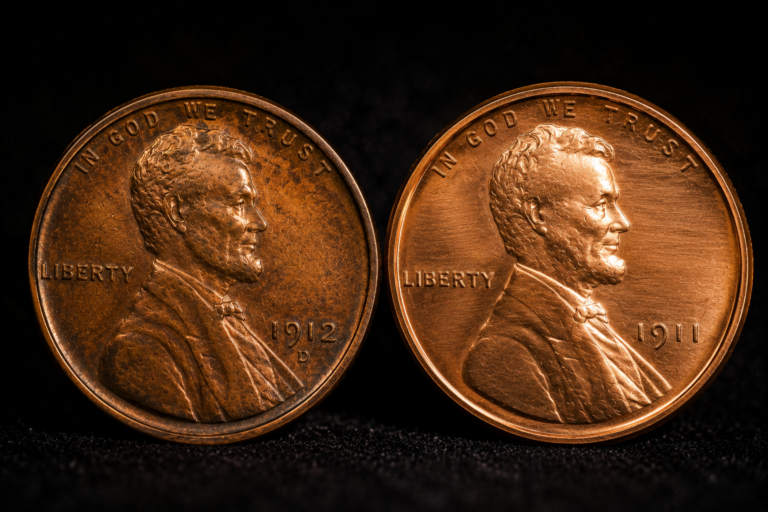
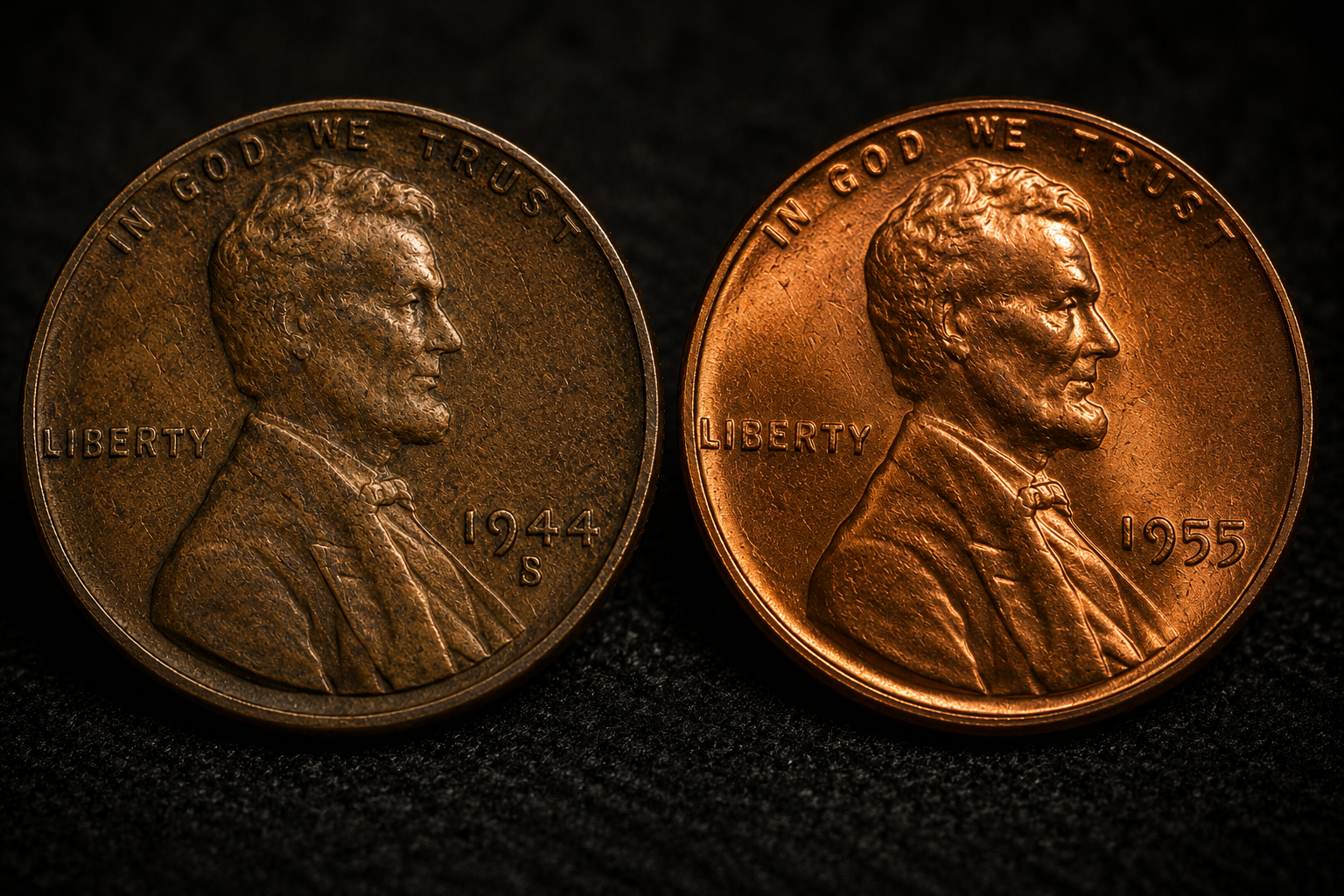
A single coin may appear normal simply because there is nothing nearby for comparison. Yet when two similar coins are placed side by side, differences in texture, wear, reflectivity, and preservation become much easier to recognize.
One coin may show stronger original texture. Another may reveal smoother surfaces caused by circulation. One may preserve sharp detail while another displays years of gradual wear.
These differences help explain not only how the coins look, but how their histories diverged.
Comparison turns observation into context.
Without context, many details appear meaningless. With context, those same details become informative.
What surface history teaches us about coins
Surface changes remind us that coins are not frozen in time. They continue changing long after they leave the mint. Every exchange, every pocket, every countertop, and every moment of circulation contributes something to the surface.
These contributions are often small, but their cumulative effect becomes visible through careful observation.
A coin that appears ordinary may actually contain decades of physical history recorded in tiny marks and subtle changes. The observer who learns to recognize those clues gains access to a deeper understanding of the object.
This perspective changes the purpose of observation. Instead of searching only for obvious features, the observer begins looking for evidence of experience.
The coin becomes more than a design.
It becomes a record.
Table of common surface clues
| Surface Change | What It Suggests | Why It Matters |
|---|---|---|
| Fine scratches | Handling and contact | Shows circulation history |
| Smooth high points | Wear over time | Reveals repeated use |
| Uneven texture | Different contact areas | Helps explain movement |
| Dull surface | Aging and exposure | Shows environmental effect |
| Preserved recesses | Protected detail | Helps separate wear from design |
| Texture transitions | Uneven circulation | Provides historical context |
Reality Check
Most tiny surface changes are not dramatic discoveries. They are ordinary evidence left behind by years of circulation and handling. Their value comes from what they reveal collectively rather than individually.
“The smallest marks on a coin often contain the longest history.”
Final Verdict
Tiny surface changes may seem insignificant at first glance, but they often provide some of the most useful information available to an observer. Scratches, texture differences, smooth areas, and subtle wear patterns all contribute to the story of how a coin moved through the world.
Experts pay attention to these clues because they understand that history rarely announces itself through obvious features alone. More often, it appears quietly through small changes that accumulate over time.
By learning to recognize and interpret those changes, anyone can begin reading coins with greater depth, patience, and understanding.
FAQ
Why do tiny surface changes matter on a coin
Because they record evidence of handling, circulation, wear, and environmental exposure that helps explain the coin’s history.
Are scratches always considered damage
Not necessarily. Many scratches are simply signs of ordinary circulation and can provide useful historical context.
How can I see small surface changes more clearly
Use angled lighting, rotate the coin slowly, and compare it with similar coins to make subtle details easier to recognize.