How Experts Judge a Coin in Under 10 Seconds
Estimated Reading Time: 17 minutes
Watch an experienced collector examine a coin at a show, across a dealer’s table, or under a simple desk lamp, and the process can look almost unfairly fast. The coin is picked up, tilted once, turned slightly under the light, and within a few seconds the collector already seems to know whether it deserves attention. To a beginner, that speed can feel impossible. A coin has a date, a mint mark, high points, fields, rims, surfaces, color, marks, luster, strike quality, and possibly hidden problems. How could anyone judge all of that so quickly?
The answer is that experts are not fully grading a coin in under ten seconds. They are doing something more practical. They are forming a rapid first impression based on a trained visual routine. That first impression does not replace a careful examination, but it tells the collector where to look next, what concerns might be present, and whether the coin appears strong, average, or weak for what it is supposed to be.
This fast judgment is not magic, and it is not a guess. It is the result of seeing thousands of coins and learning which clues matter first. Experienced collectors do not look everywhere at once. They follow a sequence. They read the overall look, check the high points, rotate the coin under light, watch the luster, notice distracting marks, and compare what they see against a mental library of other examples.
What This Article Explains
- Why experienced collectors can form a useful first impression in seconds.
- What experts actually look at during the first ten seconds of examination.
- Why the first impression is important but never final.
- How high points, luster, strike quality, and surface preservation guide fast judgment.
- Why experts rotate coins almost immediately under light.
- How beginners can practice the same rapid evaluation routine at home.
Table of Contents
What Experts Really Do in the First Ten Seconds
The first ten seconds of expert coin evaluation are not random. They are compressed observation. The collector is not trying to answer every possible question immediately. Instead, the goal is to gather enough visual evidence to decide what kind of coin is in front of them.
Does the coin look original? Does it have life under the light? Are the high points consistent with the claimed level of preservation? Are the surfaces attractive, dull, disturbed, or distracting? Does the coin invite a closer look, or does something feel wrong from the beginning?
This is the same basic mindset behind How to Read a Coin Step by Step, but compressed into a faster routine. Experts still examine the coin carefully later. The difference is that they know which observations deserve priority.
During those first seconds, the eye is not searching for every minor mark. It is looking for the big visual signals that define the coin’s character. Overall balance, surface quality, high-point preservation, and luster movement usually matter before tiny details.
Why This Is Not the Same as Fully Grading a Coin
One of the biggest misunderstandings is the idea that experts instantly assign a final grade. That is not how careful collectors think. A fast first impression is useful because it guides the inspection, but it should not replace it.
A coin may look excellent at first and then reveal faint cleaning lines under better light. Another coin may look ordinary at first but show unusually original surfaces after rotation. A weakly struck coin may appear worn for a moment, then prove to be better preserved than expected once the surface texture is studied.
This is why experienced collectors treat the first ten seconds as a screening process. The quick view tells them where the coin deserves more attention. It does not end the evaluation.
The difference matters. Beginners often rush from first impression to final conclusion. Experts use the first impression as a doorway into deeper analysis.
The First Impression Comes Before the Details
Before an expert studies tiny marks or individual design elements, the coin creates an overall impression. This first visual reaction is important because coins are not judged only by isolated details. They are judged by how all details work together.
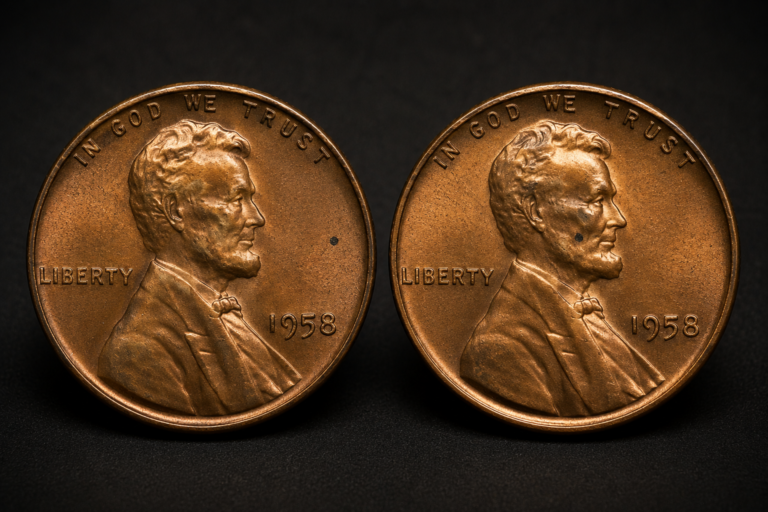
A coin with strong luster, natural color, clean focal areas, and balanced surfaces can immediately feel different from a coin that is technically acceptable but visually dull. That difference is one reason two coins can carry the same grade while looking completely different.
This connects directly with Why Two Coins With the Same Grade Can Look Completely Different. A grade tells part of the story, but the eye still responds to luster, strike, color, surface preservation, and eye appeal as a complete visual experience.
The first impression is not always correct, but it often reveals where the examination should go. If the coin looks unusually attractive, the collector wants to understand why. If it looks flat or disturbed, the collector wants to confirm whether that reaction comes from weak luster, surface problems, poor strike, or simply bad lighting.
Why the Eyes Move Quickly to the High Points
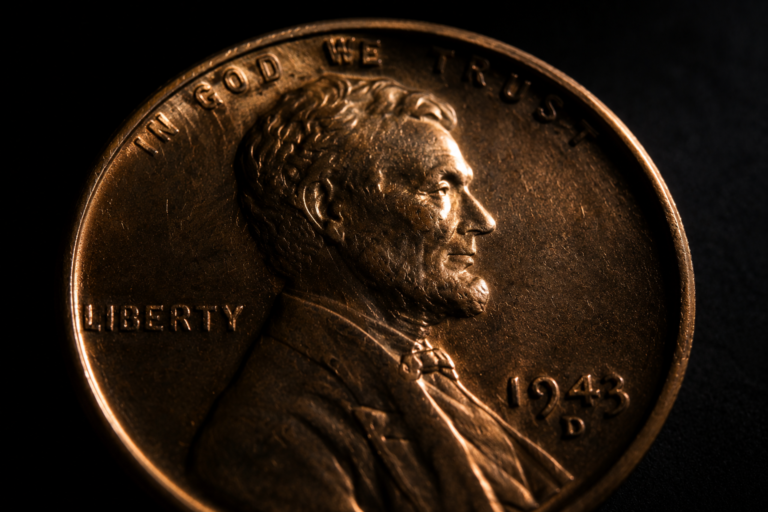
After the overall impression, an experienced collector usually checks the high points almost immediately. These raised areas are some of the most informative locations on a coin because they often show the earliest signs of wear, friction, or texture loss.
This is why Why Experts Always Start With the High Points is such an important part of the coin-reading process. The highest parts of the design are not just artistic features. They are evidence. They show whether the coin’s preservation supports the first impression.
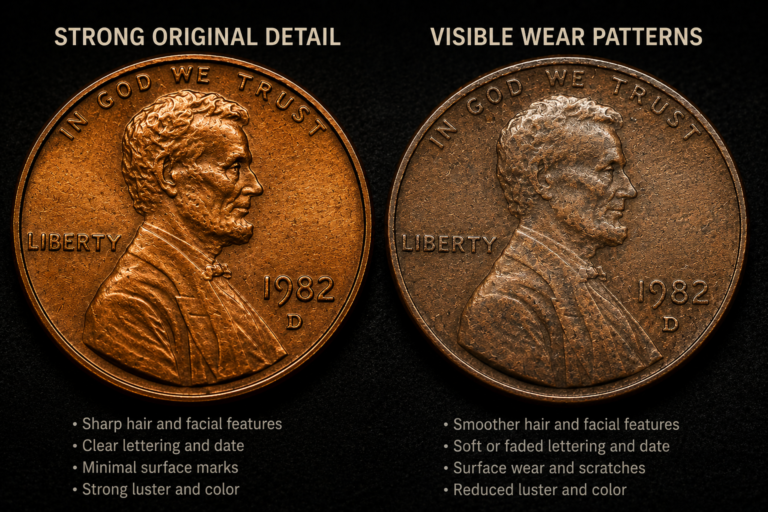
If the high points retain strong texture and natural light response, the coin may be better preserved than a still photograph suggests. If those areas appear smooth, dull, or inconsistent with the surrounding design, the collector slows down and investigates further.
Experts do not check high points because they are the only thing that matters. They check them because they often reveal the truth earlier than other parts of the coin.
Why Experts Rotate the Coin Almost Immediately
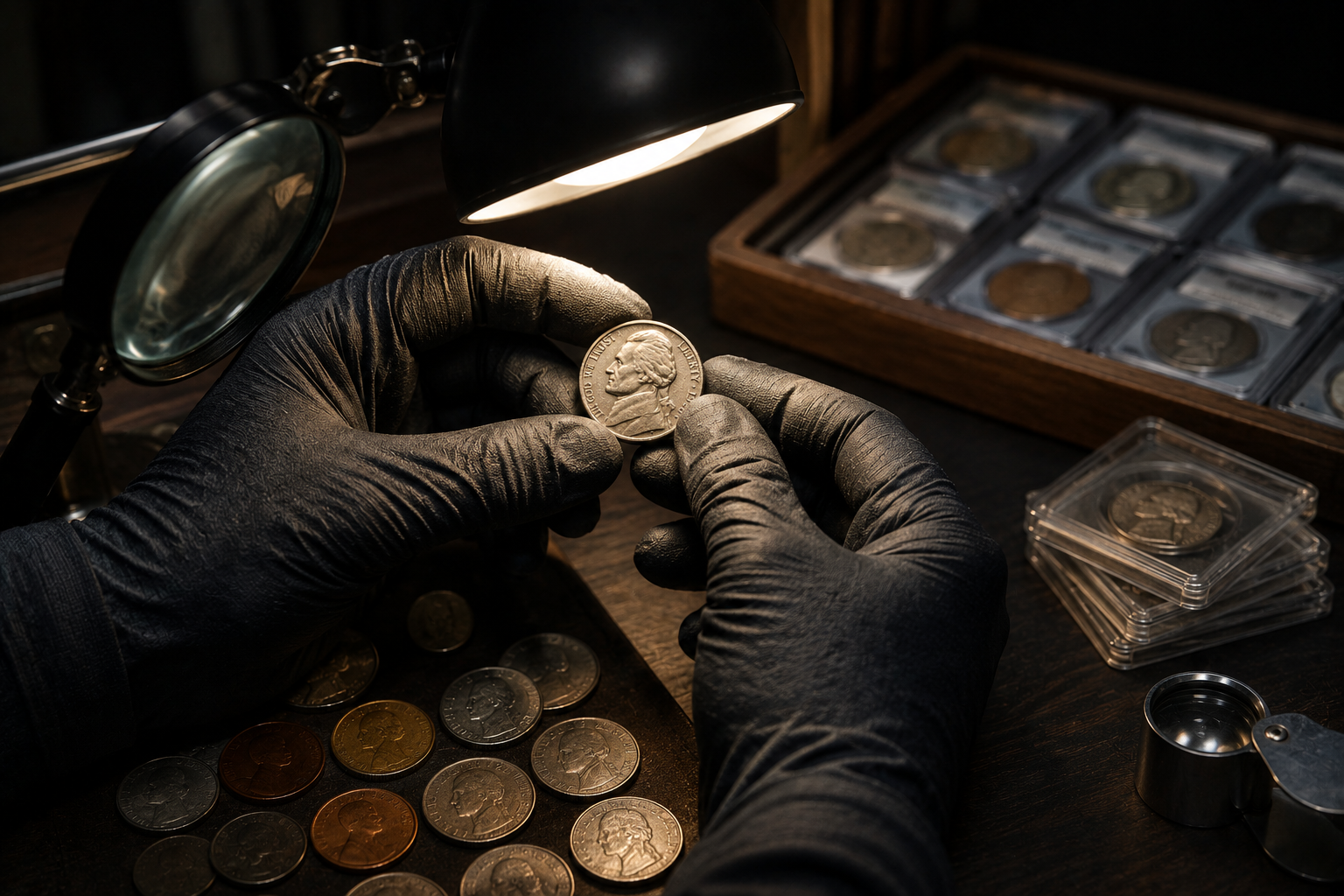
Another habit separates experienced collectors from beginners: movement. Beginners often hold a coin still and stare at it. Experts usually rotate it under a controlled light source within the first few seconds.
This movement reveals information that a flat view cannot show. Luster begins to travel. Hairlines may appear. Dull patches become easier to notice. Contact marks change intensity. The fields, rims, and high points begin to speak through reflection.
This is the practical reason behind How Experts Use Light to See Hidden Coin Details and Why Experts Rotate Coins Under Light. The goal is not to make the coin look dramatic. The goal is to see how the surface behaves.
A coin with healthy original luster usually responds with movement. A coin with disturbed surfaces may look patchy, flat, or uneven. The difference can appear in seconds when the coin is rotated correctly.
How the Surface Responds Under Light
Surface response is one of the quiet clues experts read quickly. A coin can appear bright from one angle but lifeless when rotated. Another coin can look modest at first but reveal beautiful, natural movement under light.
The surface response helps the collector understand whether the coin still has original character. It can also reveal subtle issues such as cleaning, friction, dullness, or uneven preservation. These clues are closely related to the ideas in How Tiny Surface Changes Reveal a Coin’s History, because tiny surface changes often become visible only when light moves across them.
In the first ten seconds, an expert is not documenting every small feature. The goal is to decide whether the surface feels natural, active, and consistent. If the answer is yes, the coin earns more attention. If the answer is no, the next stage of inspection becomes more cautious.
A Lincoln Cent Example
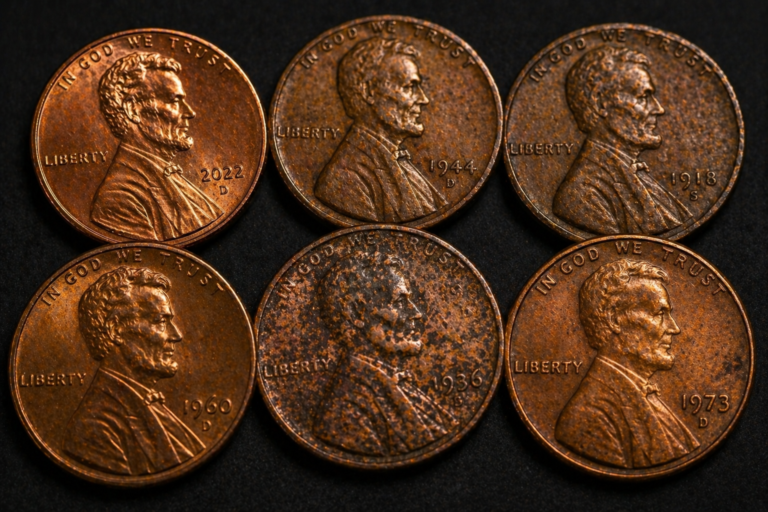
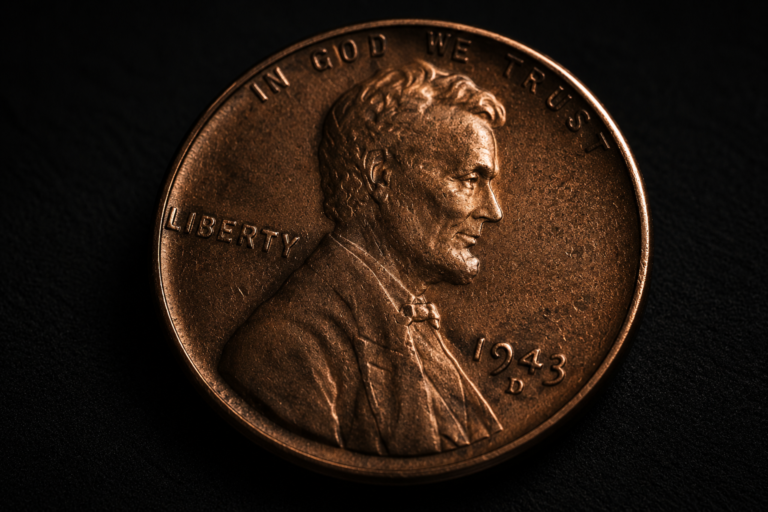
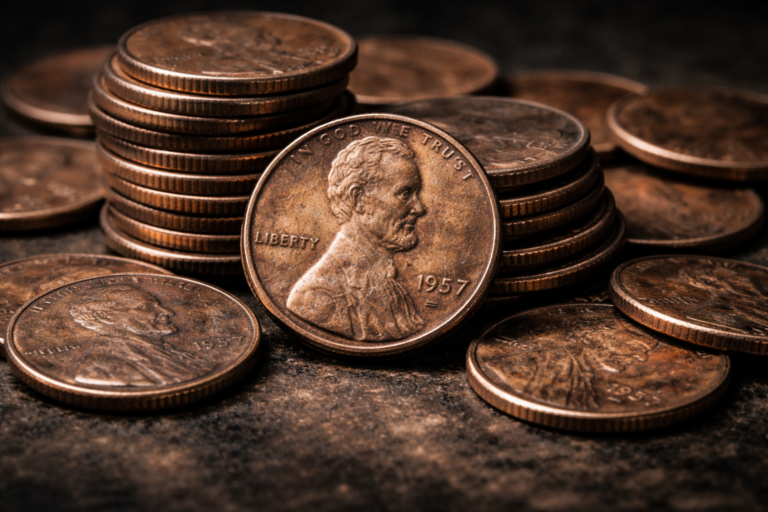
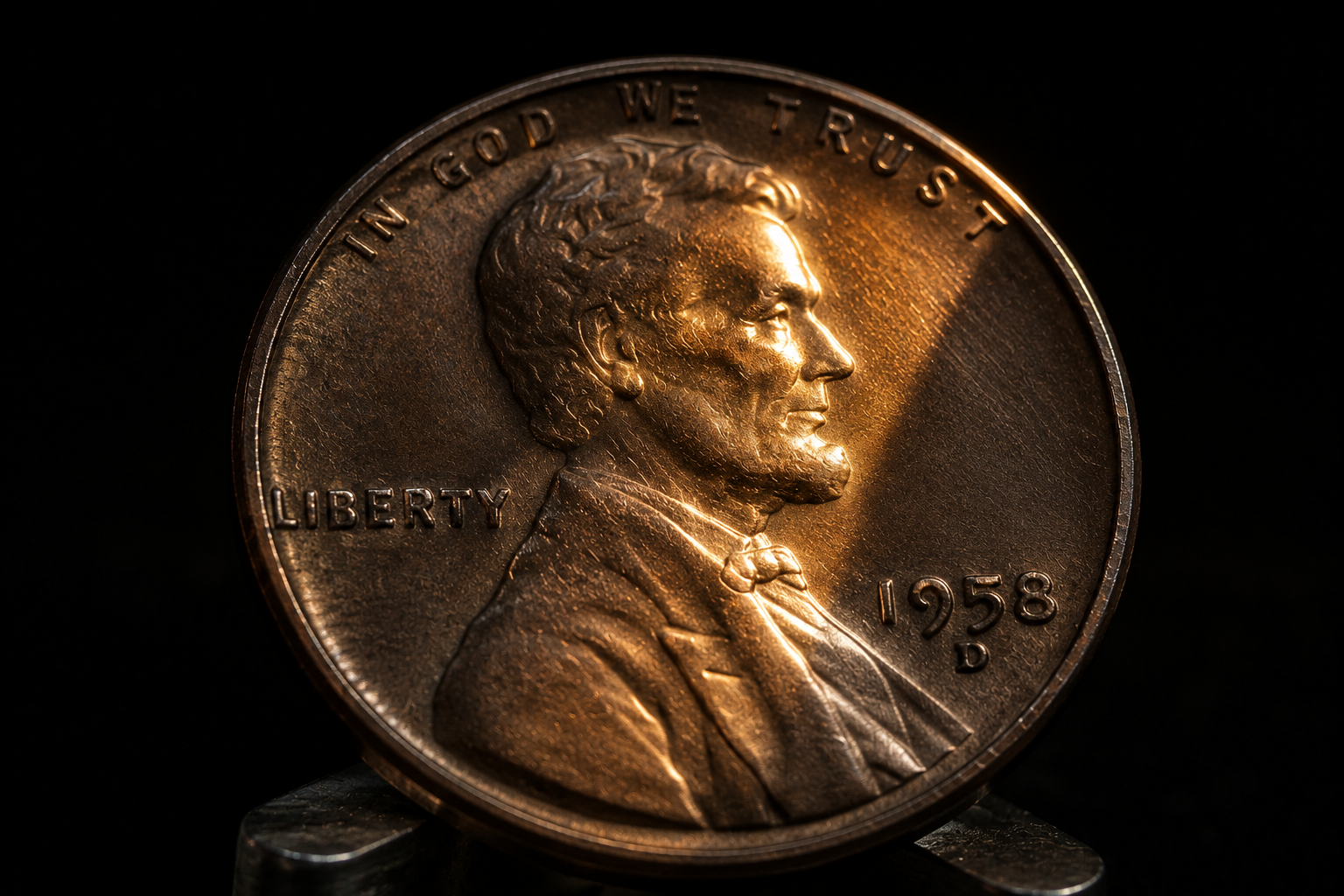
A Lincoln cent provides a simple example of this rapid process. The collector first notices the overall appearance. Does the copper look natural? Does the surface feel balanced? Are the fields distracting or clean? Then the eyes move toward Lincoln’s cheek, jawline, and hair, where high-point wear often appears early.
Next, the coin is rotated under light. If the surface responds naturally, the first impression becomes stronger. If the light breaks across the cheek or fields in an unusual way, the collector begins asking whether the coin has friction, dullness, cleaning, or surface disturbance.
None of this requires a final grade in the first few seconds. It only requires a disciplined order of observation. The expert is not guessing faster. The expert is looking in the right places first.
The Next Few Seconds Are About Confirmation
Once the first impression has been formed, the evaluation changes direction. The collector is no longer asking, “What do I think of this coin?” Instead, the question becomes, “Can the evidence support my first impression?”
This distinction is extremely important. A beautiful first impression is valuable, but experienced collectors never allow it to become the final answer. Every positive impression must survive careful examination, and every negative impression deserves to be questioned before being accepted.
This habit prevents one of the most common beginner mistakes—making a decision too early. Experts deliberately slow down after those first few seconds because they understand that coins often reveal their most interesting details only after careful observation.
The rapid assessment simply tells them where to begin.
Why Experts Look for Evidence, Not Confirmation
Human nature encourages us to search for evidence that supports our first opinion. Professional collectors try to do the opposite.
If a coin initially appears outstanding, they immediately begin looking for reasons why that impression might be wrong. They search for subtle cleaning lines, weak strike areas, disturbed luster, unnatural color, or hidden friction on the high points.
If a coin initially appears disappointing, they also challenge that opinion. Perhaps the lighting is poor. Perhaps the strike is naturally weak for that issue. Perhaps attractive original surfaces become visible only after rotating the coin.
This objective mindset helps experienced collectors avoid expensive mistakes. It also explains why two people can spend several minutes examining a single coin that seemed ordinary at first glance.
The goal is not to prove yourself correct. The goal is to understand the coin accurately.
The Mental Checklist Happens Almost Automatically
Years of experience create a remarkable advantage. After examining thousands of coins, collectors no longer think consciously about every individual step. Their eyes naturally move through a familiar sequence.
Overall eye appeal comes first.
High points follow.
Luster is observed while rotating the coin.
Strike quality becomes clearer.
Surface preservation is evaluated.
Contact marks are examined in the most important focal areas.
Finally, everything is combined into one overall impression.
Although this routine appears incredibly fast from the outside, it is simply the result of repetition. Each observation builds upon the previous one until the collector develops a reliable understanding of the coin.
This is exactly why the articles in this series build upon one another. Understanding the complete reading process, learning how light reveals surfaces, recognizing the importance of high points, and knowing why similar grades can look different all become part of one smooth routine.
Fast Does Not Mean Rushed
Many beginners confuse speed with carelessness. They assume that if an expert forms an opinion quickly, the examination must be superficial.
The opposite is usually true.
Fast observation comes from efficiency, not shortcuts.
An experienced collector knows where useful information is most likely to appear, so very little time is wasted looking at areas that contribute little to the initial evaluation. Instead, attention is directed immediately toward the locations most likely to reveal preservation, originality, and overall quality.
Once those areas have been studied, the examination often becomes much slower. Magnification may be introduced. Edge details may be inspected. Small varieties, die characteristics, or unusual features may receive additional attention.
The first ten seconds simply determine how the rest of the examination should proceed.
How You Can Practice the Same Routine
You do not need expensive equipment to begin developing this skill.
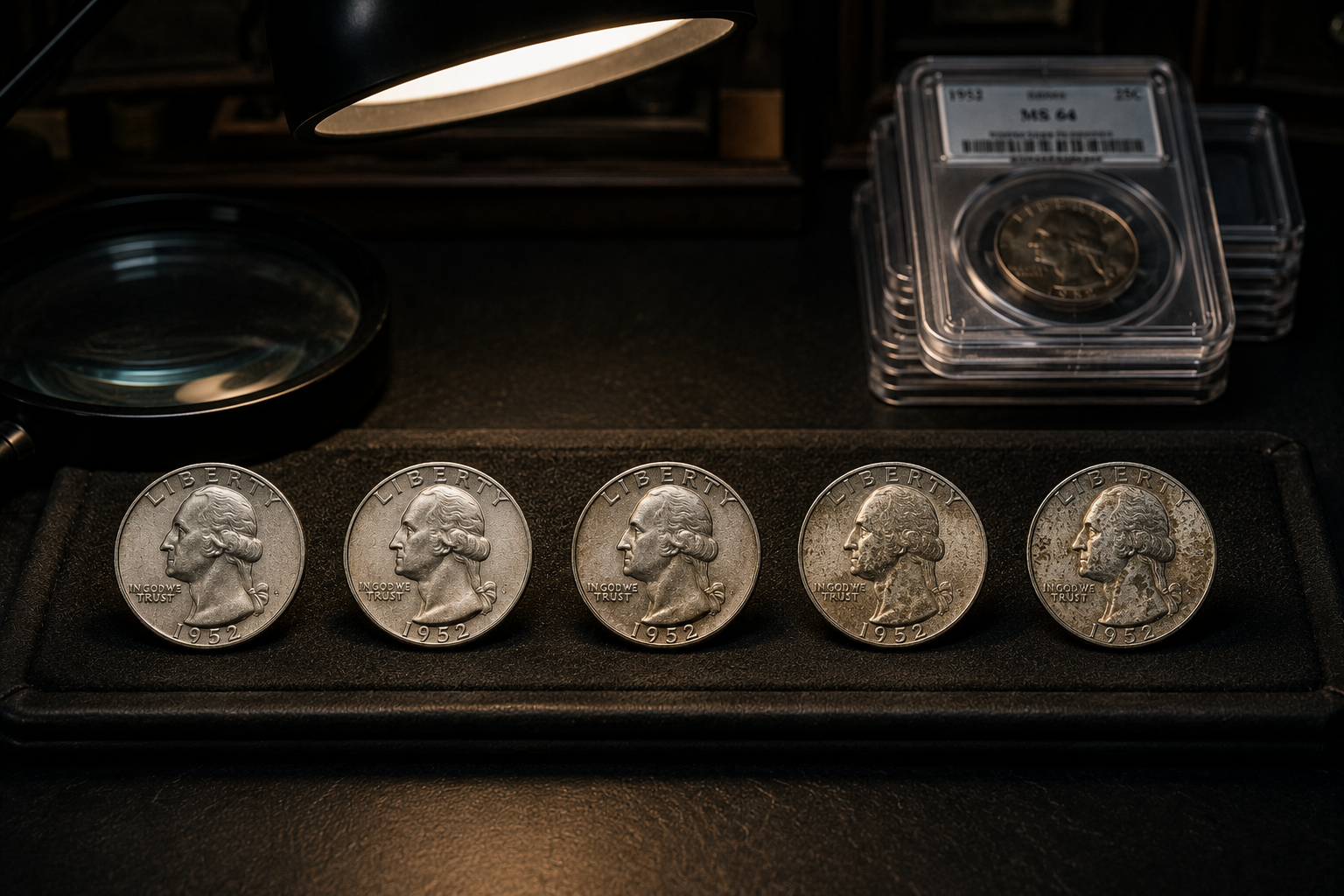
Select several coins of the same type from your collection and place them beneath a single light source.
Pick up the first coin and allow yourself no more than ten seconds.
Ask yourself these questions.
- What is my first impression?
- Does the coin immediately attract my eye?
- How do the high points look?
- Does the luster move naturally?
- Are there distracting marks?
- Does anything seem unusual?
After ten seconds, continue examining the coin more slowly.
Notice how many of your first observations remain correct.
Repeat the exercise with dozens of coins over several weeks.
Gradually your eye will become faster—not because you are rushing, but because you are learning where the most useful information lives.
Experience Creates Visual Memory
The greatest advantage experienced collectors possess is not sharper eyesight. It is visual memory.
Every coin they have studied becomes another reference stored in memory. Over time, they develop an internal library of normal strikes, healthy luster, attractive eye appeal, common wear patterns, and original surfaces.
When a new coin appears, it is automatically compared with thousands of previous examples.
This process explains why experts often recognize unusual characteristics so quickly. Their eyes are not discovering the information for the first time. They are recognizing familiar patterns.
Visual memory is built one coin at a time, and every careful examination strengthens it.
| Time | What Experts Observe | Purpose |
|---|---|---|
| 1–2 Seconds | Overall eye appeal | Create the first impression |
| 3–4 Seconds | High points | Look for early wear and preservation |
| 5–6 Seconds | Luster under light | Evaluate originality and surface life |
| 7–8 Seconds | Strike quality | Separate weak strike from wear |
| 9 Seconds | Contact marks | Identify distractions in focal areas |
| 10 Seconds | Overall balance | Form a reliable preliminary opinion |
Reality Check
Experienced collectors do not truly grade a coin in under ten seconds. What they develop is a disciplined observation routine that allows them to recognize the most important clues almost immediately. The detailed examination always comes afterward.
“Expert coin evaluation is not about seeing faster. It is about knowing what deserves your attention first.”
Final Verdict
The ability to judge a coin in under ten seconds is not a shortcut—it is the result of experience, repetition, and a structured method of observation. Experts begin with the overall impression, verify it through the high points, study the movement of luster, evaluate strike quality, examine surface preservation, and mentally compare everything with countless coins they have seen before. That rapid assessment is only the beginning of the grading process, but it provides a remarkably reliable foundation for every detailed examination that follows. By practicing the same routine repeatedly, any collector can train their eye to recognize important clues more quickly and make better-informed decisions.
Frequently Asked Questions
Do experts really grade a coin in under ten seconds?
No. They perform a rapid preliminary evaluation that helps determine where a more detailed examination should focus. The final judgment always takes longer.
What do experts usually notice first?
Most experienced collectors begin with the overall eye appeal before checking the high points, rotating the coin under light, and evaluating luster, strike quality, and surface preservation.
Can beginners learn this technique?
Yes. The routine itself is simple. What takes time is building the visual experience needed to recognize patterns quickly. Regular comparison and careful observation gradually develop the same skill used by experienced collectors.