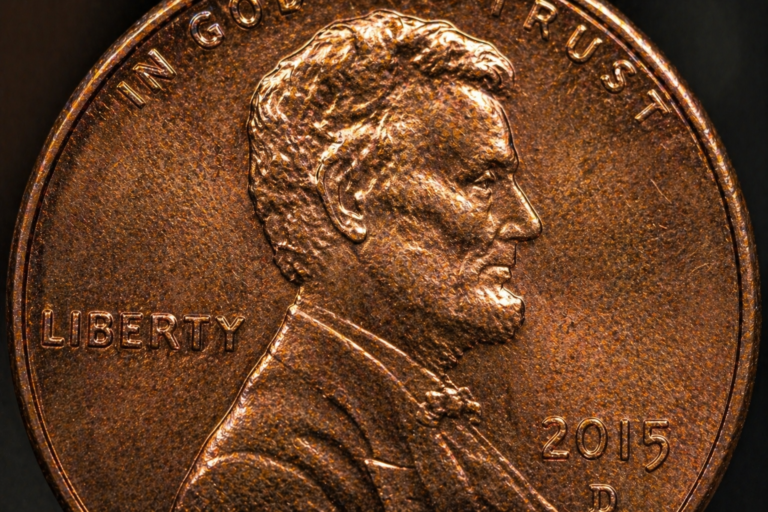
Why Experts Never Judge a Coin From One Photo
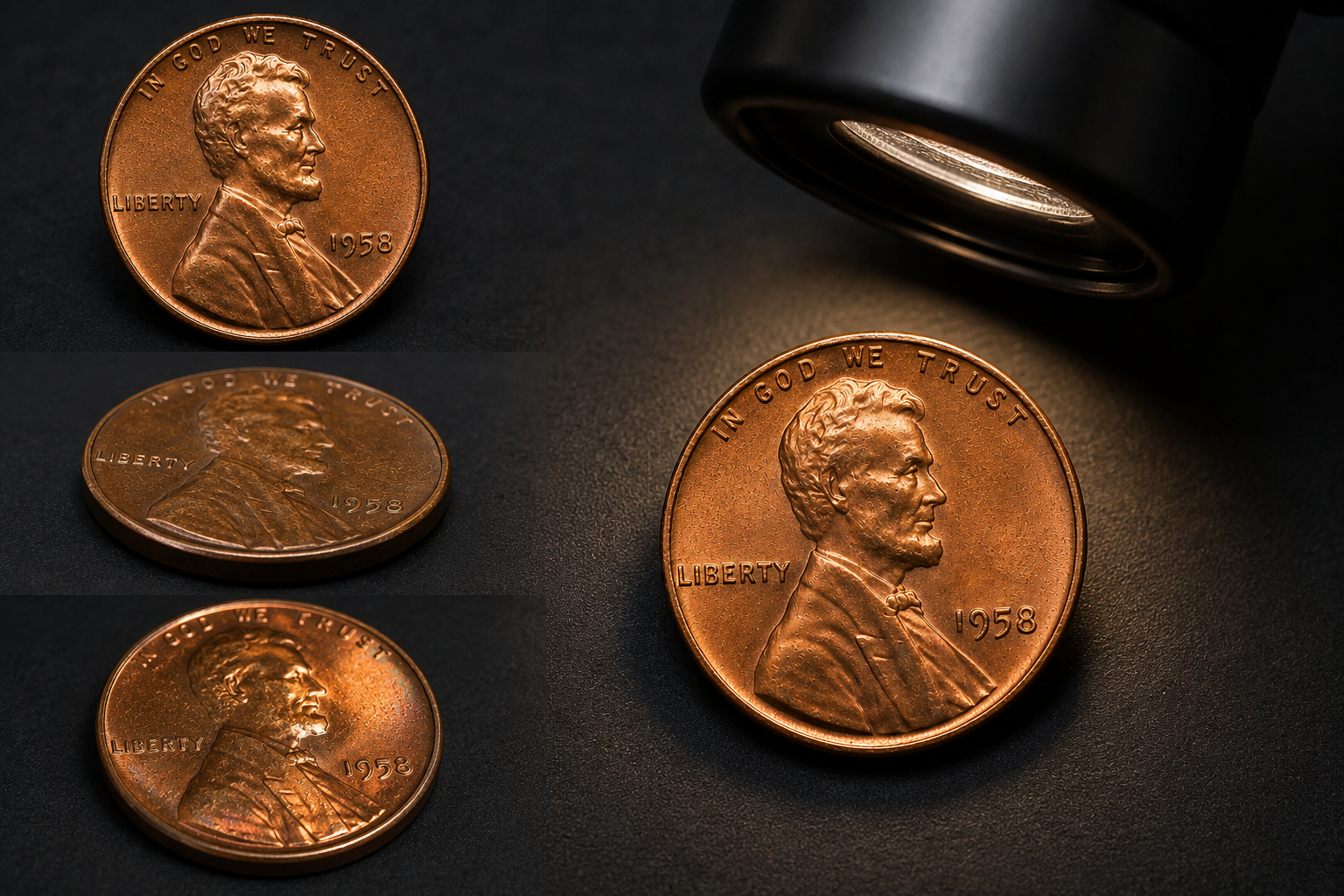
Estimated Reading Time: 9 minutes
A coin can look almost flawless in one photograph and surprisingly different in the next. A field that appears smooth may suddenly reveal fine hairlines when the light moves. A mark that dominates one image may nearly disappear from another angle. Even the color of copper or silver can shift enough between photographs to change your first impression of the coin.
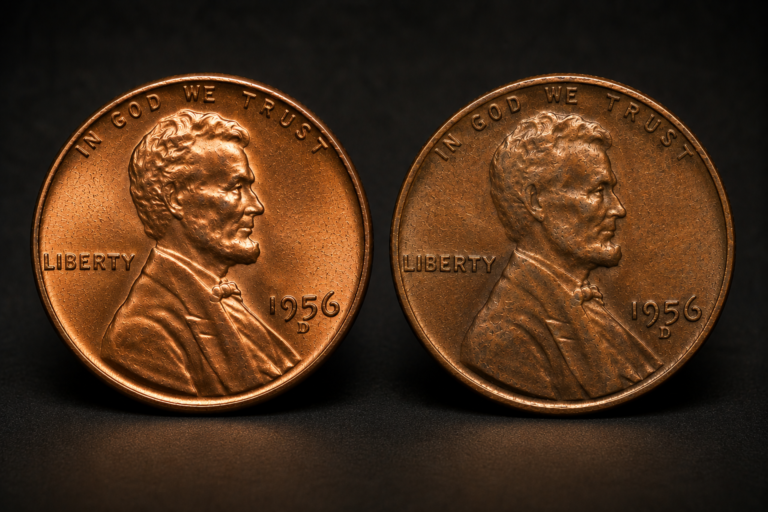
This does not necessarily mean the photographer is hiding something. A photograph freezes one combination of lighting, viewing angle, exposure, focus, and camera settings. A real coin is different. You can tilt it, rotate it, change the light, and watch the surface respond. Much of the information experts use to evaluate a coin appears during that movement.
That is why experienced collectors are cautious about making firm judgments from a single image. A good photograph can reveal a great deal, but it remains one piece of visual evidence. Before reaching conclusions about luster, cleaning, marks, color, or even some forms of missing detail, experts want to know what happens when the viewing conditions change.
What This Article Explains
- Why one photograph captures only part of a coin’s surface information.
- Why mint luster is difficult to evaluate from a static image.
- How scratches and cleaning hairlines can appear or disappear with lighting.
- Why coin color can change dramatically between photographs.
- How photographs can complicate the difference between wear and weak strike.
- What additional images or video experts want before making stronger judgments.
Table of Contents
- A Photo Freezes the Coin at One Moment
- Why Luster Is Difficult to Judge From One Image
- The Same Mark Can Appear or Disappear
- Cleaning Can Hide in a Perfect-Looking Photo
- Why Color Changes Between Photographs
- Why Wear and Weak Strike Can Look Similar
- What Experts Ask to See
- What You Can Learn From One Photo
A Photo Freezes the Coin at One Moment
Every coin photograph is selective, even when it is completely honest. The camera records the coin from one position while light reaches the surface from a particular direction. Move either the coin or the light slightly and the resulting image can change.
This matters because a coin is a reflective three-dimensional object. Its raised devices, recessed areas, open fields, tiny scratches, and microscopic surface texture do not interact with light in exactly the same way. Some features become obvious only when the reflection reaches them from the correct direction.
A photograph taken under broad, diffuse light may show color and design detail beautifully while making small surface lines difficult to see. Strong directional lighting may expose those lines but create shadows that make other areas appear harsher than they do in hand.
Neither photograph has to be wrong. Each reveals different information.
This is one reason experts rotate coins instead of examining them from one fixed angle. Movement allows them to collect many visual impressions of the same surface rather than depending on one frozen view.
Why Luster Is Difficult to Judge From One Image
Mint luster is particularly difficult to understand from a single photograph because one of its most useful characteristics is movement.
On many Mint State circulation strikes, reflected light travels across the surface as the coin rotates, sometimes producing the familiar cartwheel effect. A still photograph can capture one position within that movement, but it cannot show the movement itself.
A bright area in a photograph therefore does not automatically prove strong original luster. It might represent genuine mint luster, a direct reflection from the lamp, or even an altered surface that happens to look bright from that angle.
The opposite is also possible. A coin with excellent luster can appear surprisingly dull if photographed under lighting that does not capture its reflective pattern well.
As explained in why luster needs to be observed as the coin moves, experts are interested in how reflections travel, where they weaken, and whether they remain consistent across the surface. One photograph can suggest these characteristics, but movement provides stronger evidence.
The Same Mark Can Appear or Disappear
Surface marks provide one of the clearest demonstrations of why viewing angle matters.
Take a Lincoln cent with a light contact mark in the field. Under one lighting position, the mark may reflect directly toward the camera and become one of the most obvious features on the coin. Tilt the coin slightly and the same mark may blend into the surrounding surface.
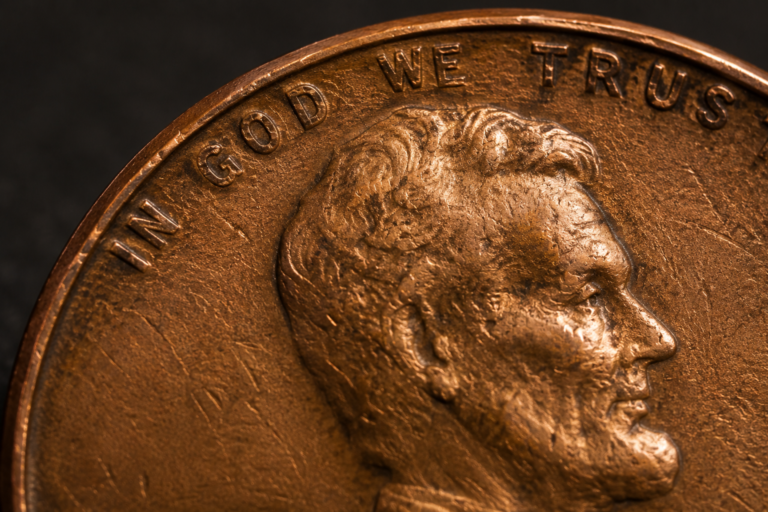
Fine scratches can behave even more dramatically. They may remain nearly invisible until light strikes them at the correct angle, at which point they suddenly flash across the field.
This does not change the physical mark. It changes its visibility.
That distinction is important when evaluating coins online. A buyer should not assume that a mark visible in one photograph will look equally severe in hand, but should also avoid assuming that a clean-looking photograph proves the absence of marks.
Location and severity still matter, which is why the visibility and location of a mark matter more than simply asking whether a mark exists.
Cleaning Can Hide in a Perfect-Looking Photo
Improper cleaning is another surface problem that can be difficult to evaluate from one image. Wiping or polishing may leave groups of extremely fine hairlines that become obvious only under directional light.
Photograph the same coin under soft frontal lighting and many of those lines may disappear. The surface can look smooth, bright, and surprisingly clean.
Change the light to a lower angle and the result may be completely different. Parallel lines begin flashing across the fields. Reflections appear unnatural. Areas of original luster may look interrupted.
This is part of why cleaning can remain hidden until the viewing angle changes. Beginners naturally respond to the clean appearance captured in the photograph, while experienced collectors look for evidence that cannot always be shown from one position.
A suspiciously bright coin is not automatically cleaned, just as a darker coin is not automatically original. Multiple angles help separate genuine surface characteristics from photographic appearance.
Why Color Changes Between Photographs
Color may be the most obvious characteristic to change from photograph to photograph. Copper that appears deep brown in one image can look reddish in another. Silver toning can shift between gold, blue, violet, grey, and darker shades depending on the light and camera settings.
The light source itself matters. Different lamps have different color temperatures. White balance changes how the camera interprets those colors. Exposure, reflections, surrounding objects, and automatic image processing can influence the final result as well.
This is especially important when evaluating toned coins online. Dramatic color can have a major effect on eye appeal and sometimes market demand, but a single photograph cannot guarantee that the coin will look exactly the same in hand.
None of this requires deliberate photo manipulation. Normal photographic choices are enough to produce noticeable differences.
Experts therefore treat color photographs as evidence rather than absolute measurements. When color is especially important to a purchase, additional photographs under different lighting conditions can be valuable.
Why Wear and Weak Strike Can Look Similar
Photographs can also complicate the distinction between actual wear and detail that was never fully struck.
A weakly struck area may look flat because the metal did not completely fill the corresponding recesses of the die during striking. Genuine circulation wear can also flatten detail, but it usually involves changes to the surface that go beyond missing design definition.
Under good directional light, an experienced collector may examine whether original surface characteristics remain in the weak area and whether the location corresponds with expected high-point friction.
A single flat photograph may not provide enough information to make that distinction confidently.
This connects with how experts distinguish missing detail from obvious surface damage. The absence of detail tells you where to investigate, but not necessarily why that detail is missing.
What Experts Ask to See
When a coin matters enough to justify careful evaluation, experts prefer evidence that reduces uncertainty. Clear photographs of both obverse and reverse are the starting point, but additional angles can reveal much more.
A slightly tilted photograph can expose hairlines or luster breaks that disappear in a straight-on image. Close-ups can help when a particular mark, mint mark, date, or suspected surface problem needs examination.
Consistency is also valuable. Photographs taken under similar lighting make comparison easier than a collection of images produced with completely different exposure and color settings.
A short video of the coin slowly rotating under a fixed directional light can be particularly informative for luster and surface texture. It allows the viewer to watch reflections travel instead of trying to reconstruct that movement from still photographs.
Even then, remote evaluation has limits. Video quality, compression, lighting, and screen reproduction can all affect what the viewer sees. Physical examination remains stronger when subtle surface questions are important.
What You Can Learn From One Photo
None of this means a single photograph is useless. A sharp, properly exposed image can reveal a remarkable amount of information.
You may be able to identify the coin type, date, mint mark, major design features, obvious wear, large scratches, rim damage, corrosion, holes, severe cleaning, and many other characteristics from one good photograph.
The important skill is knowing when the photograph supports a conclusion and when it merely suggests one.
For example, a clearly visible deep scratch is still a deep scratch. You do not need ten photographs to acknowledge obvious damage. But deciding whether faint parallel lines represent cleaning, whether a subtle high-point change represents friction, or whether luster remains continuous may require additional views.
This is where expert evaluation becomes disciplined. Instead of forcing certainty from limited evidence, experienced collectors recognize what they can see and what they still need to see.
| Feature | One Still Photo | Multiple Angles or Movement |
|---|---|---|
| Luster | Shows one reflection pattern | Reveals how reflections travel across the surface |
| Hairlines | May remain nearly invisible | Can flash when the lighting angle changes |
| Contact Marks | May look stronger or weaker depending on reflection | Provides better context for normal visibility |
| Color | Influenced by lighting and camera settings | Provides a broader view of actual appearance |
| Cleaning | Subtle evidence may be hidden | Disturbed reflections and directional lines can become clearer |
| Wear | Missing detail may be visible but its cause can remain uncertain | Changing light can reveal additional surface evidence |
Reality Check
Experts do make useful judgments from photographs, especially when the images are sharp, well lit, and show the relevant details clearly. The point is not that every coin requires an in-person examination. The point is that confidence should match the evidence available. Obvious features can often be identified from a photograph, while subtle questions involving luster, cleaning, friction, and surface originality deserve more caution.
“A photograph shows what a coin looked like from one angle. An expert wants to know how the surface behaves when that angle changes.”
Final Verdict
Experts never rely blindly on one coin photograph because a still image captures only one combination of light, angle, focus, exposure, and color. Luster depends on movement. Hairlines can flash and disappear. Contact marks change in prominence. Toning can shift with lighting and white balance, while weak strike and wear can sometimes require additional surface evidence to separate confidently. A good photograph remains extremely useful, but the more subtle the question, the more valuable additional angles become. The expert habit is simple: judge what the photograph clearly shows, and do not pretend it shows what it cannot.
Frequently Asked Questions
Can you accurately grade a coin from one photo?
A good photograph can support an approximate assessment and reveal many important characteristics, but a precise grade may depend on luster, surface texture, subtle friction, and marks that are difficult to evaluate from one fixed view. Confidence should therefore depend on the quality and completeness of the available images.
Why do coin scratches disappear in some photographs?
Fine scratches reflect light directionally. If the camera and light are not positioned at an angle that makes those scratches reflect strongly, they can become difficult or impossible to see. Rotating the coin often makes them visible again.
Is video better than photographs for judging coin surfaces?
Video can be especially useful for studying luster, hairlines, and changing reflections because it shows the coin moving under light. High-quality still photographs remain valuable for fine design detail, so the strongest remote evaluation often uses both rather than relying exclusively on either format.